Travel Destinations That Inspire Creativity
Adrian Park October 3, 2025
Travel exposes the mind to new environments, cultures, and experiences, which can significantly enhance creativity. Experiencing diverse perspectives challenges habitual thinking patterns and encourages innovative ideas. According to a study published in Psychology of Aesthetics, Creativity, and the Arts, individuals who travel frequently demonstrate higher levels of creative thinking due to exposure to novel stimuli. Visiting new destinations allows artists, writers, and entrepreneurs alike to draw inspiration from landscapes, architecture, and cultural practices.
Urban Centers with Artistic Vibes
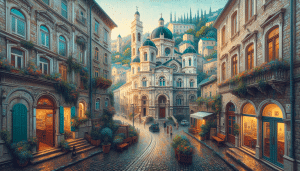
Cities known for their artistic communities are ideal for sparking creativity. Destinations like Florence, Italy, and Paris, France, offer rich histories of art, architecture, and design. Walking through museums, galleries, and historic districts exposes travelers to masterpieces that can inspire new creative directions. Urban centers often host workshops, cultural festivals, and collaborative spaces where travelers can engage with local artists, providing hands-on experiences that stimulate innovative thinking.
Nature and Scenic Landscapes
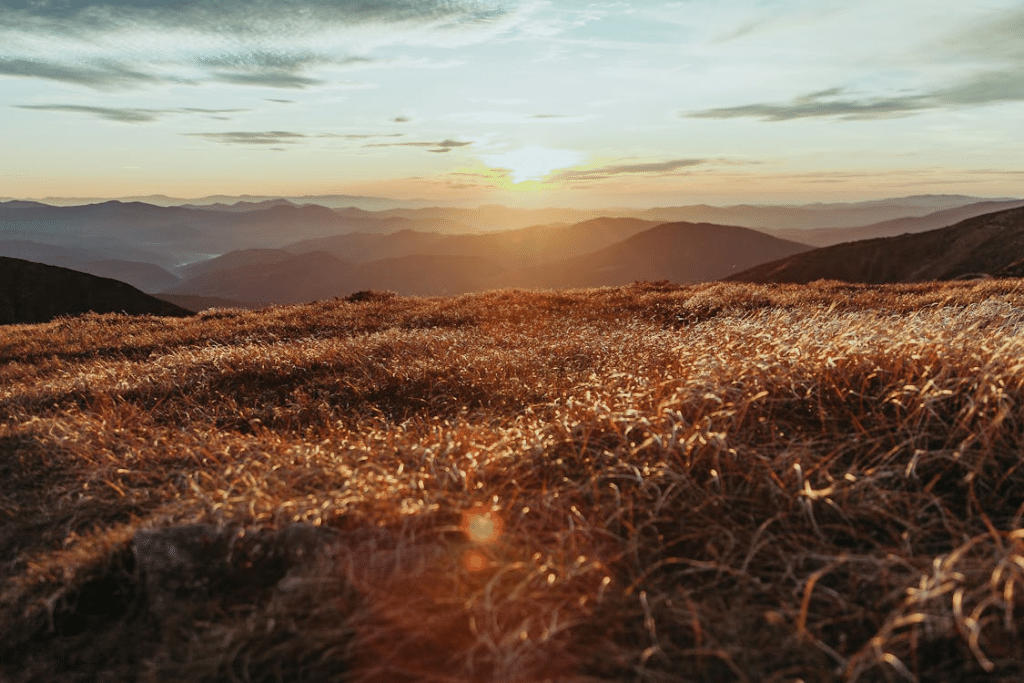
Natural settings offer a different type of inspiration. Immersing oneself in mountains, forests, beaches, or deserts encourages reflection and imaginative thought. Locations like Iceland’s volcanic landscapes or the Canadian Rockies provide breathtaking views that inspire visual artists and writers. Nature’s patterns, colors, and textures often translate into creative projects, whether in photography, painting, or design. Research from the Journal of Environmental Psychology indicates that spending time in natural environments can improve problem-solving skills and boost cognitive flexibility.
Cultural Immersion Experiences
Traveling to destinations that offer deep cultural experiences can stimulate creativity by exposing individuals to new customs, languages, and traditions. Cities such as Kyoto, Japan, or Marrakech, Morocco, provide immersive experiences through local crafts, culinary practices, and festivals. Engaging with local communities, participating in traditional activities, or attending cultural workshops allows travelers to think differently, challenge assumptions, and find inspiration in unfamiliar practices.
Historical Sites and Architecture
Historical destinations often spark creativity through exposure to unique architecture, storytelling, and heritage. Ancient ruins, castles, and historical districts inspire writers, designers, and architects by revealing centuries-old craftsmanship and innovative solutions from the past. Places like Petra in Jordan or the Alhambra in Spain demonstrate architectural mastery and intricate design, encouraging visitors to consider historical techniques in modern creative projects.
Creative Retreats and Workshops
Some destinations are specifically designed to cultivate creativity. Creative retreats, artist residencies, and workshops offer structured opportunities to explore artistic expression. Locations such as Bali, Indonesia, or Santa Fe, New Mexico, host retreats focused on painting, writing, music, and design. These environments combine travel with skill development, providing both inspiration and practical guidance. Immersive retreats also allow for networking with like-minded individuals, fostering collaborative creativity.
Food and Culinary Exploration
Culinary experiences are a unique source of creative inspiration. Tasting and learning to prepare dishes from different cultures engages multiple senses and encourages experimentation in cooking, presentation, and flavor combinations. Traveling to destinations such as Tuscany, Italy, or Bangkok, Thailand, allows visitors to explore local ingredients, cooking techniques, and food traditions, which can inspire creative projects beyond the kitchen, such as food photography, writing, or design.
Remote and Off-the-Beaten-Path Destinations
Sometimes, solitude and unfamiliar environments stimulate creativity more than crowded tourist centers. Remote locations, from the deserts of Namibia to the fjords of Norway, offer quiet spaces for reflection and experimentation. These destinations remove the distractions of daily life and provide a sense of wonder that can fuel new ideas. Many writers and visual artists seek retreats in such places to develop original works and deepen their creative process.
Combining Travel and Technology
Modern technology allows travelers to document and share their experiences, which can further enhance creativity. Digital tools for photography, video editing, and social media storytelling allow travelers to reflect on and reinterpret their journeys. Using technology creatively to capture landscapes, architecture, or cultural moments encourages experimentation with different mediums and styles, often resulting in unique creative outputs.
Planning a Creativity-Focused Trip
To maximize creative inspiration, planning a trip with intention is key. Consider the following:
- Select destinations based on personal interests: Identify locations that align with your creative goals, whether artistic, culinary, or design-oriented.
- Include diverse experiences: Balance urban exploration, cultural immersion, and natural settings to provide a broad range of stimuli.
- Engage in workshops and classes: Participate in local programs to learn new techniques and interact with fellow creatives.
- Document your journey: Keep a journal, take photos, or record videos to process experiences and generate future ideas.
- Allow flexibility: Leave room for spontaneity and unplanned discoveries, which often lead to the most creative insights.
Conclusion
Travel destinations that inspire creativity combine exposure to diverse cultures, natural landscapes, historical sites, and immersive experiences. From urban art hubs to remote nature retreats, these environments stimulate new ideas, enhance problem-solving skills, and foster personal growth. By planning trips with intentionality and engaging fully with the surroundings, travelers can cultivate creativity and return home with renewed inspiration and innovative perspectives. Traveling not only enriches life experiences but also serves as a powerful catalyst for creative exploration in both professional and personal endeavors.
References:
- Psychology of Aesthetics, Creativity, and the Arts. (2022). Travel and Creative Thinking. https://www.apa.org
- Journal of Environmental Psychology. (2021). Nature and Cognitive Flexibility. https://www.sciencedirect.com
- National Geographic. (2023). Top Creative Travel Destinations. https://www.nationalgeographic.com
- Lonely Planet. (2023). Cultural Travel Experiences That Inspire. https://www.lonelyplanet.com

 Emerging Business Trends in Entrepreneurship