Trendy Home Decor Ideas You’ll Want to Try
Lucia Fernandez October 16, 2025
Curious about how fresh decor updates can completely change your living environment? Discover innovative home design trends, clever space-saving solutions, and inspiring ideas that can make any room feel uniquely inviting while fitting any lifestyle.
Understanding Modern Home Decor Trends
Modern home decor goes beyond pretty colors and interesting accessories. It’s about crafting living spaces that offer both comfort and visual impact, reflecting the personalities of everyone at home. In recent years, trends like minimalism, biophilic design, and layering textures have gained incredible popularity. People increasingly seek out inviting interiors without sacrificing functionality or character, and this shift is visible everywhere from social media feeds to top interior design magazines. Thoughtful styling choices can transform any room into a focal point, whether using bold accent walls, mixing metals, or simple neutral tones.
Trends are not about copying a fixed template. Instead, they invite creativity and personal expression. Embracing Scandinavian simplicity or playing with bohemian patterns can be adjusted to different lifestyles and space constraints. Designers often recommend incorporating natural materials, like wood and linen, for warmth and sustainability. This movement aligns with the growing environmental awareness in home renovation. The psychology of color is also at play; soft tones foster calmness, while splashes of color add vibrance and personality. Learning how to combine these elements takes time but brings satisfaction as your personal taste evolves.
Open floor plans continue to influence home layouts, especially in urban settings where every square foot counts. Modular furniture and built-in storage solutions are rising in popularity. These elements create flexible living spaces well-suited to changing needs, hosting friends, or winding down. Personalization remains at the heart of these trends. Artworks, heirlooms, or handpicked thrift store finds breathe life into otherwise standard rooms. The key is blending trend-forward touches with personal items for a result that feels both up-to-date and uniquely your own.
Small Spaces, Big Potential: Maximizing Your Square Footage
Not everyone has the luxury of vast, open living areas. Compact homes and apartments often require smart, creative thinking. Small space design is an art form that focuses on multifunctional furniture, strategic lighting, and visual tricks to expand the feel of a room. For instance, mirrors strategically placed on walls can reflect natural light, visually doubling the space. Fold-down desks, hidden storage, and nesting tables further add to the sense of more room. This approach is practical and stylish, making the most of every inch.
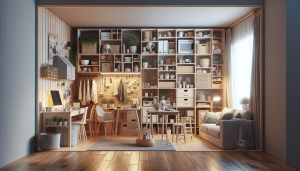
Vertical storage comes into play when floor space is at a premium. Tall bookshelves, wall-mounted planters, and hanging organizers declutter surfaces and draw the eye upward. This method not only maximizes space but also adds fresh dimension to your decor. Light color palettes are another go-to for small rooms, helping walls to appear further apart. It’s surprising how choosing off-white or pale blue for walls, paired with contrasting darker accents, can reshape a cramped area into one with perceived depth and openness.
Living small doesn’t mean living less. The right design choices make any space functional and enjoyable. Multipurpose pieces–like ottoman coffee tables with hidden storage or beds with integrated drawers–layer style and substance. Keeping essentials neatly arranged results in less stress and more comfort. Adapting the latest trends to fit compact lifestyles is about working smarter, not harder, and always prioritizing comfort and personal taste.
Incorporating Nature With Biophilic Elements
Biophilic design is at the forefront of modern home decor. This concept revolves around connecting indoor spaces with nature, promoting wellness and tranquility. Introducing houseplants, botanical prints, and even water features brings a sense of calm to daily living. Studies from environmental organizations suggest these additions can improve well-being, boost mood, and help purify indoor air. Whether using hardy succulents or elegant ferns, greens thrive in living rooms, bedrooms, and even bathrooms.
Natural finishes extend the biophilic effect. Wooden surfaces—from furniture to floorboards—add warmth and organic beauty. Stone, clay, and woven materials create tactile interest, grounding spaces with a sense of nature’s influence. Even artwork and accessories inspired by outdoor motifs reinforce this soothing connection. More homeowners are exploring green walls or vertical planters, making a dramatic visual statement while keeping maintenance straightforward and manageable.
Sunlight is crucial in biophilic decor strategies. Large windows, open blinds, and reflective surfaces chase away gloom and keep rooms lively. For spaces with limited natural light, energy-efficient bulbs that mimic daylight can substitute. As more people work or study from home, creating environments that reduce stress and support focus by integrating natural elements provides long-term value. This holistic approach can be adapted to any budget and looks just as striking in small city apartments as it does in expansive suburban homes.
Personalizing With Color and Texture
Personalization in home decor often starts with color. Paint, accent furniture, or even area rugs add vibrancy or serenity as desired. Trending colors range from muted earth tones–think sage, terracotta, or soft coral–to bolder choices like deep green and navy. The best palettes are the ones that align with how an owner wants to feel in a room: relaxed, energetic, or creative. Psychologists have found that color can truly impact mood and productivity, especially in multifunctional spaces.
Texture plays a vital yet sometimes overlooked role. Mixing plush throws, woven baskets, sleek glass, and brushed metal introduces dimension. Layering materials softens modern lines, making rooms feel lived-in and welcoming. Trends lean towards integrating natural fibers like jute, wool, and cotton, which add tactile interest and nod to sustainability. Unique combinations—such as velvet cushions paired with leather armchairs—allow anyone to build a space that feels curated but never stiff.
Combining these elements—color and texture—with beloved objects creates a sense of home. Whether displaying a vibrant ceramic collection or mixing new finds with family heirlooms, these details tell a personal story. Even renters have options, like removable wallpaper or peel-and-stick tiles, to softly layer custom flair without permanent changes. The result is interiors that inspire and express individuality, no matter the decorating constraints.
Smart Home Technology: Blending Comfort With Innovation
Modern living spaces increasingly integrate smart home technology for convenience, safety, and enjoyment. From automated lighting that adjusts with the time of day to energy-efficient thermostats, these innovations create more responsive homes. Voice-controlled devices can manage everything from music volume to grocery lists, minimizing clutter from switches and remotes. Smart mirrors double as information hubs, delivering weather updates as part of the morning routine.
Technology supports efficiency as well. Smart appliances, such as programmable coffee makers or app-controlled fridges, streamline daily tasks. Security systems and video doorbells protect loved ones while offering peace of mind. As sustainable living gains ground, energy-monitoring devices track consumption and identify areas to improve, helping homeowners shrink their footprint. Many of these devices are now designed with aesthetics in mind, fitting seamlessly into any style—from contemporary to cozy cottage settings.
It’s important to choose technology that enhances the way people already live. Not all smart gadgets are necessary, but those that address actual needs can make routines smoother and more enjoyable. The combination of streamlined technology with natural materials and personal decor touches represents the future of home design, where innovation supports comfort and self-expression rather than overwhelming it.
Budget-Friendly Updates With High Impact
Revamping a home’s appearance doesn’t require expansive budgets. Small changes can dramatically refresh a space. Swapping out cabinet hardware, adding new throw pillows, or layering in different lighting sources delivers surprisingly quick results with minimal investment. Even repurposing existing furniture—painting a dresser or turning a ladder into a towel rack—can breathe new life into a room while keeping costs down.
DIY projects play a big role in budget-friendly makeovers. Popular ideas include wall art displays made from postcards or prints, or dining chairs reupholstered in cheerful fabrics. Open shelving is inexpensive to install and creates opportunities for artful arrangement of dishes, plants, or curated collections. The process of personalization is rewarding—both visually and emotionally—and empowers homeowners or renters to take control of their spaces.
Smart shopping helps, too. Thrift stores and online marketplaces offer unique finds, often at a fraction of retail prices. Swapping decor with friends or family members introduces novelty while reducing waste. The trick is approaching updates in stages: making one or two thoughtful adjustments at a time, rather than overhauling everything at once, keeps the process fun and affordable while results accumulate steadily.
References
1. American Society of Interior Designers. (n.d.). Interior Design Trends. Retrieved from https://www.asid.org/resources/resources/view/resource-center/205
2. Environmental Protection Agency. (2022). The Benefits of Biophilic Design. Retrieved from https://www.epa.gov/green-infrastructure/benefits-biophilic-design
3. National Association of Home Builders. (n.d.). Home Trends and Buyer Preferences. Retrieved from https://www.nahb.org/news-and-economics/industry-news/press-releases/2022/03/survey-shows-what-home-buyers-really-want
4. Harvard University Graduate School of Design. (n.d.). Environmental Psychology of Space. Retrieved from https://research.gsd.harvard.edu/spaces/publications/environmental-psychology-of-space/
5. U.S. Department of Energy. (2022). Smart Home Technology Guide. Retrieved from https://www.energy.gov/eere/buildings/articles/smart-home-technologies-energy-savings
6. University of Nebraska Extension. (n.d.). Decorating on a Budget. Retrieved from https://extension.unl.edu/decorating-budget/

 Simple Skincare Habits That Can Transform You