Simple Home Decor Tweaks That Spark Joy
Lucia Fernandez October 18, 2025
Discover how easy home decor changes can transform your space and elevate your mood. This guide explores accessible lifestyle ideas that blend creative self-expression and comfort, helping you design a home that feels uniquely rewarding—without overwhelming effort or expense.
Why Environment Shapes Your Mood
Home is not just about shelter. It’s where daily life, relaxation, and creativity all intersect. Many studies now point to how surroundings can influence mood, productivity, and even long-term wellness. Small tweaks—like rearranging furniture or adding personal touches—do more than visually refresh a room. They help create an environment that supports emotional wellbeing. The field of environmental psychology suggests people subconsciously respond to color, lighting, and layout. Subtle shifts in these elements can nurture calm, boost focus, or spark a sense of comfort. Leveraging these findings has made lifestyle design a key part of feeling happier in your own home. It’s not just about the look; it’s about living better every day.
Color psychology is a fascinating area when thinking about home improvements. Soft blues and gentle greens are often associated with tranquility, while yellows may inspire optimism and social warmth. Consider your current palette. Would a splash of energizing color elevate dull corners, or do you crave serenity in places like your bedroom? Simple paint, removable wallpaper, or even colorful cushions can alter a room’s mood with minimal investment. By intentionally selecting hues, anyone can influence the emotional climate of a space, aligning aesthetics with a desired mindset. For many, this is the first step in building a home environment that radiates joy.
Lighting also deserves thoughtful attention. Bright, natural light tends to energize. Warm lights, on the other hand, foster a sense of comfort and togetherness. Experimenting with different lamps, candles, or dimmers gives rooms a flexible vibe—perfect for multitasking lifestyles. Adjusting light sources to better sync with daily routines can enhance circadian rhythms, boost productivity, and even promote better sleep. These findings validate the lifestyle value of periodic updates to your home’s environment. What seems like a minor lighting tweak might become a boost to your everyday happiness.
Texture and Scent: Subtle Ways to Personalize
Texture provides comfort in unexpected ways. Think about the appeal of a soft throw pillow, a cozy rug under bare feet, or the tactile pleasure of a finely crafted wooden table. These sensations add depth to a space, making it inviting and personalized. Layering different materials—like velvet, jute, or linen—can make rooms feel uniquely yours while encouraging a sense of grounding. People often underestimate texture’s impact, yet it’s a key aspect of daily tactile enjoyment. Touch is a sense that quietly influences emotional satisfaction at home.
Aromas play an integral role, too. The subtle fragrance of fresh flowers, a diffuse of essential oils, or the gentle scent of baking can instantly evoke positive feelings. Many individuals use aromatic candles or diffusers to create an invisible mood-lifting effect. Scents like lavender or chamomile are associated with relaxation, while citrus or mint might offer an energizing twist. In fact, environmental studies show that pleasant scents can reduce stress and even improve cognitive performance (Source: https://www.ncbi.nlm.nih.gov/pmc/articles/PMC6313442/). Harnessing aroma is an easy way to deepen sensory enjoyment at home.
Combining textures and scents can turn any home into a sensory sanctuary. Consider layering plush towels in the bathroom, a patchwork quilt in the living room, and adding a subtle, personalized signature scent in each space. This approach helps regulate mood and offers a consistent sense of comfort—key principles in entertainment and lifestyle culture. Whether you’re relaxing alone or hosting friends, the result is a more inviting and harmonious environment.
Decluttering and Functional Zones for Calm
Order in the environment often brings order to the mind. Decluttering is not merely about getting rid of things; it’s about freeing up space for better energy flow and more meaningful living. Research illustrates that cluttered spaces can lead to higher stress levels and difficulty focusing, while organized environments help people feel more relaxed and capable (Source: https://www.apa.org/news/press/releases/2018/04/clutter-guilt). Creating dedicated functional zones, such as a reading nook or a creative workspace, further increases a sense of control and purpose at home.
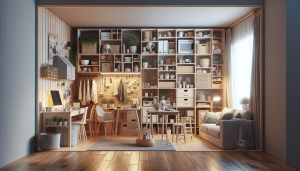
Organizing doesn’t require expensive systems. Simple containers, shelves, or baskets can do wonders for storage and accessibility. The key is consistency—returning items to their places and regularly reviewing what feels necessary. Marie Kondo’s approach to keeping only items that spark joy has gained global popularity for a reason. Minimalism allows for greater appreciation of what remains, turning each chosen object or piece of furniture into a focal point rather than background noise. This philosophy resonates deeply in the lifestyle space, where intentional living is increasingly valued.
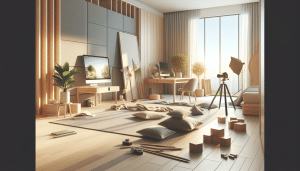
Functional zones can also adapt to changing needs. During busy periods, a small table near a sunny window easily becomes a productive work corner. At other times, it transforms into a tea spot or social corner. The flexibility to shift furniture or decor based on season, purpose, or personal growth adds an element of play to home design. Rather than a single “look” that never changes, a dynamic environment can respond to evolving preferences—making it both functional and delightfully unpredictable.
Personal Art and Photos: Stories That Matter
Art and photography infuse spaces with personality and meaning. Displaying artwork—whether it’s a cherished painting, a child’s drawing, or a travel photograph—turns blank walls into storyboards of your experiences. These pieces act as conversation starters, memory triggers, and mood boosters. Choosing a gallery wall layout, mixing frame styles, or experimenting with scale can generate instant visual interest. Importantly, prioritizing objects with personal resonance makes home decor more meaningful than simply following trends.
Personal touches do not demand large investments. DIY art, upcycled crafts, or printed digital photos affordably reflect your journey and interests. For those who value creativity, crafting wall hangings or decorative objects can double as a relaxing hobby and an expressive statement. Studies even show that engaging in creative arts is associated with improved mental health and stress management (Source: https://www.ncbi.nlm.nih.gov/pmc/articles/PMC8305384/). Integrating such elements in home decor is a subtle way to nurture both mindfulness and individuality.
Don’t hesitate to refresh displays periodically. Seasonal gallery updates or thematic swaps—such as showcasing photos from recent travels or celebrating milestones—keep environments visually engaging. This approach ensures that your home is always a living gallery, growing with you. Whether you’re drawn to bold statement pieces or quiet minimalist frames, the power lies in meaningful curation rather than perfection.
Greenery and Natural Accents for Balance
Bringing natural elements indoors is a time-tested way to boost wellbeing. Plants, in particular, have proven benefits for both mood and air quality. According to research, indoor greenery can reduce stress, increase productivity, and foster a sense of connection to the outdoors (Source: https://www.fs.usda.gov/inside-fs/delivering-mission/deliver/forest-service-research-benefits-indoor-and-outdoor-environments). But even for those without a green thumb, simple touches like fresh flowers, wooden bowls, or stone accents can ground interiors in nature’s calming influence.
Choosing easy-care plants—like snake plant, pothos, or aloe—makes it accessible for almost anyone to enjoy the benefits of biophilic decor. These plants thrive with little attention and offer visual freshness year-round. For apartment dwellers or people with limited light, exploring air plants or preserved moss walls provides a creative solution. Natural stone, shells, or driftwood bring a rugged organic touch, especially when displayed alongside household art or books.
Such accents often become central to a home’s aesthetic. Decorating with greenery isn’t limited to large planters either. Tiny succulents on shelves, dried bouquets in jars, or trailing ivy above doorways create visual movement and softness. This lifestyle approach celebrates small-scale, sustainable additions as a pathway to both beauty and balance. With each new leaf or natural object, the home becomes more nurturing, lively, and in tune with the rhythms of the outside world.
Flexible Decor: Seasonal Rotations and Modular Pieces
Embracing flexibility in decor not only prevents boredom but also allows your home to reflect seasonal shifts and new interests with ease. Swapping out cushions, rearranging art, or exchanging lightweight throws for heavier quilts provides instant revitalization. People who rotate decor elements report feeling more engaged and inspired by their surroundings. This approach lets you experiment, using your home as a canvas for ongoing self-expression.
Investing in modular or multi-purpose furniture also helps. Ottomans double as tables, bookshelves turn into room dividers, and storage benches hide clutter while serving as focal points. These flexible solutions support open-plan living and multifaceted lifestyles—a growing trend in the entertainment and lifestyle category. They allow for quick adaptation during gatherings, quiet evenings, or productive afternoons. In turn, this creates a sense of practicality and freedom in your living space.
Seasonal refreshes need not be expensive or labor-intensive. Simply changing curtain colors, adding autumnal centerpieces, or bringing in summery ceramics can drastically change room dynamics. These little tweaks embody a key lifestyle lesson: adaptability breeds enjoyment. By letting your space evolve, you foster an environment that meets both functional and emotional needs, no matter the time of year or your current interests.
References
1. American Psychological Association. (2018). The impact of clutter on emotional wellbeing. Retrieved from https://www.apa.org/news/press/releases/2018/04/clutter-guilt
2. United States Department of Agriculture Forest Service. (n.d.). Research on the benefits of greenery and indoor environments. Retrieved from https://www.fs.usda.gov/inside-fs/delivering-mission/deliver/forest-service-research-benefits-indoor-and-outdoor-environments
3. Environmental Psychology. (n.d.). The psychology of color in interior environments. Retrieved from https://www.environmentalpsychology.com/articles/color-interior-design
4. National Institutes of Health. (2019). Effects of aromatherapy on mood and stress. Retrieved from https://www.ncbi.nlm.nih.gov/pmc/articles/PMC6313442/
5. National Center for Biotechnology Information. (2021). Creative arts and mental health. Retrieved from https://www.ncbi.nlm.nih.gov/pmc/articles/PMC8305384/
6. Centers for Disease Control and Prevention. (2020). The impact of light on health and sleep patterns. Retrieved from https://www.cdc.gov/niosh/emres/longhours/general.html

 You Could Experience Surprising Benefits With Mindful Eating