Hidden European Villages You’ll Want to Discover
Adrian Park November 2, 2025
Uncover the authentic charm of hidden European villages that remain off the typical travel radar. This guide brings you closer to tranquil landscapes, cultural traditions, and slow travel tips, making your next vacation truly memorable with sustainable and enriching possibilities.
Exploring Lesser-Known European Villages
Many travelers dream of finding quieter destinations that offer a deeper connection to local life. Hidden European villages provide such moments, away from bustling city centers and tourist crowds. These picturesque places, surrounded by rolling hills or mountain scenery, can enrich travel experiences through authentic encounters and distinct lifestyles. Unlike popular hotspots, these smaller settlements often preserve centuries-old architecture and customs, making them uniquely rewarding for curious explorers. Slow travel enthusiasts especially value the calming rhythm and meaningful interactions that come from immersing in these settings.
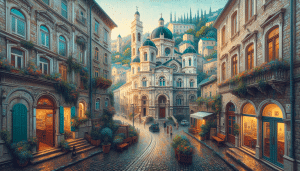
Each small village tells its own story. Cobblestone streets lead visitors past rustic stone cottages, colorful window shutters, and charming family-run bakeries. Tucked between vineyards, coastal cliffs, or lush forests, these communities welcome outsiders with local traditions and regional cuisine. Stepping into one can feel like traveling through time, where every bakery, market, and festival reflects generations of traditions. Travelers looking for cultural immersion find opportunities here that large destinations can’t always provide, making these villages stand out among European travel ideas.
Adventuring off the beaten track has practical advantages, too. Smaller crowds mean more meaningful exchanges and fewer interruptions. Visitors might take part in folk dances, share a meal with residents, or witness craftwork that’s been handed down through generations. These villages may also promote eco-friendly practices, with community gardens and locally sourced ingredients for their meals. For sustainable travel seekers, this approach supports both local economies and preservation of authentic culture, striking a balance between tourism and tradition (Source: https://www.unwto.org/sustainable-development).
Benefits of Choosing Offbeat Destinations
Visiting lesser-known destinations in Europe has tangible benefits for both travelers and host communities. One major advantage is affordability—accommodations, meals, and activities can be more budget-friendly compared to busy capitals. Savings mean travelers can stay longer, sample more cuisine, or take guided nature walks without stretching their wallets. Moreover, there’s often less competition for scenic spots or local tours, making it easier to enjoy peaceful moments or photograph beautiful landscapes. These elements appeal to digital nomads, backpackers, and luxury travelers alike.
Social and environmental responsibility also emerges as a key theme. Choosing lesser-known villages helps distribute tourism income more evenly, supporting artisans, boutique hotels, and family-run shops. This shift away from overcrowded locations contributes to sustainability goals and reduces pressure on fragile environments. Many European initiatives now highlight responsible tourism, encouraging visitors to tread lightly and respect longstanding customs (Source: https://www.ecotourism.org/news).
Additionally, travelers may feel a unique sense of discovery. Exploring places without preset expectations often results in spontaneous experiences, such as stumbling upon a spontaneous market or joining a regional festival. Personal stories and connections form as memories—whether it’s learning cheesemaking in the Alps or visiting a centuries-old watermill. For those eager to escape digital overload or modern rush, choosing a tranquil village can feel genuinely life-changing.
How to Find Authentic Village Experiences
Finding hidden gems across Europe requires a bit of research and an open mind. Start by searching beyond top search engine results or guidebooks. Look to tourism boards featuring rural getaways, or study interactive maps highlighting secondary roads and overlooked regions. Social travel platforms and travel forums also share valuable insights, linking you with other curious explorers who have mapped out similar journeys. Many travelers are beginning to use specialized tools or destination-focused websites that compile up-to-date information directly from locals, giving a deeper glimpse into village life (Source: https://www.europeantravelcommission.eu/).
Plan your trip in tune with local calendars. Seasonal events—like grape harvests, spring flower festivals, or winter feasts—offer access to special traditions. Some villages are best discovered on foot or bicycle, where scenic routes reveal roadside shrines, farms, and friendly waves from residents. Public transportation networks often reach farther than expected, especially across Western and Central Europe. Trains, local buses, and even rural ferries open new possibilities for sustainable journeys.
Accommodations play a key role, too. Families may open guesthouses or offer Airbnb stays within centuries-old homes. This not only provides unique lodging but greater insight into rural customs and cuisine. Consider spending several nights in one village to maximize the chances for genuine connections and lasting travel memories. The longer the stay, the more one learns about baking traditions, harvest rituals, or community arts (Source: https://ec.europa.eu/growth/sectors/tourism/offer/eco-tourism_en).
Cultural Highlights and Local Cuisine Await
Food and drink stand out among the greatest pleasures awaiting travelers in hidden villages. Regional recipes often define a sense of place, with many dishes created from ingredients grown nearby. Try village breads, handmade cheeses, fragrant herbs, and locally pressed wines to taste centuries of culinary tradition in every bite. A traveler savoring fish stew in a fishing hamlet or wild mushroom risotto in the forested north will remember those flavors for years. Each market visit or shared meal helps build meaningful memories, connecting new visitors to the heartbeat of rural communities.
Folk festivals, music, and seasonal gatherings shape village calendars throughout Europe. Carnivals, processions, and open-air concerts bring residents together and invite guests to participate. Visitors often join in craft workshops, learning traditional weaving, pottery, or carpentry alongside seasoned artisans. These immersive experiences add depth to each trip, providing a sense of belonging and creative inspiration (Source: https://www.culturalheritage.org/resources/conservation-topics/folk-art).
Language and storytelling remain central, even for those who arrive without local fluency. Many villagers take pride in sharing dialect words or stories about family lore. Simple greetings, smiles, and curiosity go a long way. This mutual exchange encourages responsible travel, as guests gain new perspectives and support the preservation of endangered customs. Those willing to participate or listen find themselves enriched—not just entertained.
Nature and Outdoor Adventure Close at Hand
Europe’s lesser-known villages are often gateways to remarkable natural settings. Forested valleys, dramatic coastlines, alpine meadows, or wetland reserves set the stage for scenic walks, biking, or horseback riding. Bird lovers and hikers may discover trails mapped by local guides, unveiling habitats for rare flora and fauna. For eco-conscious travelers, these excursions offer both relaxation and learning opportunities without crowding fragile environments (Source: https://www.eea.europa.eu/themes/biodiversity/nature-protection).
Waterways also invite discovery. Kayaking along riverbanks, fishing in hidden coves, or swimming in mountain lakes become highlights of slow travel. Rural villages sometimes offer farm stays, where guests can participate in daily routines, join picnics in wildflower fields, or help with the grape harvest.
Conservation is important. Many communities partner with nature organizations to protect biodiversity and promote low-impact activities. Participating in conservation workshops or tree-planting events builds awareness and adds meaning to travel. These efforts support the long-term health of local environments, ensuring that both visitors and future generations can enjoy these unique landscapes (Source: https://www.nature.org/en-us/what-we-do/our-insights/perspectives/conservation-travel/).
Planning and Tips for a Fulfilling Village Journey
Practical tips enhance the experience. Pack light and bring layers for changing weather. Travel insurance, language guides, and a willingness to adapt keep adventures smooth. Booking in advance for family stays or local tours is wise, as village accommodations can fill swiftly during festivals. Don’t hesitate to ask locals for recommendations on hikes, dining, or sightseeing—most are keen to help responsible visitors make the most of their journeys.
Respect is key. Travelers should learn about local customs, avoid over-photographing people, and minimize environmental footprints. Choosing reusable bottles, smaller tour groups, and mindful shopping ensures tourism benefits communities while preserving unique heritage. Each decision—where to dine, what to buy, how to get around—makes an impact.
Finally, savor the journey. Silence by a hilltop chapel, laughter at a local market, or joy from a surprise invitation may become the most memorable moments. Embrace slow travel and return home not just refreshed, but transformed by new friendships, understanding, and appreciation for places less traveled.
References
1. United Nations World Tourism Organization (UNWTO). (n.d.). Sustainable Development. Retrieved from https://www.unwto.org/sustainable-development
2. The International Ecotourism Society. (n.d.). Latest News. Retrieved from https://www.ecotourism.org/news
3. European Travel Commission. (n.d.). About ETC. Retrieved from https://www.europeantravelcommission.eu/
4. European Commission. (n.d.). Eco-Tourism. Retrieved from https://ec.europa.eu/growth/sectors/tourism/offer/eco-tourism_en
5. American Institute for Conservation. (n.d.). Folk Art Conservation. Retrieved from https://www.culturalheritage.org/resources/conservation-topics/folk-art
6. European Environment Agency. (n.d.). Nature Protection. Retrieved from https://www.eea.europa.eu/themes/biodiversity/nature-protection

 What You Can Learn From the Rise of Artificial Intelligence News