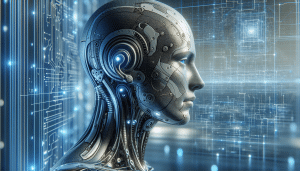
Ways Artificial Intelligence Shapes Everyday Life
Marcus Liu September 25, 2025
Artificial intelligence quietly influences our lives, from the technology behind virtual assistants to innovations in healthcare and transport. Uncover how AI impacts daily routines, what drives its rapid growth, and what practical changes it brings to personal, social, and professional spheres.
Unlocking the Power of AI in Daily Routines
Artificial intelligence, often called AI, powers a surprising range of experiences and conveniences in modern daily routines. It plays a role in services as simple as voice recognition on smartphones and as complex as the predictive algorithms guiding what we see on streaming platforms. Users often interact with AI-driven features without even realizing it. Personalized news feeds, real-time navigation tools in maps, and automated emails are all shaped by machine learning models operating in the background.
The presence of AI in personal devices, such as wearable fitness trackers and smart home assistants, continues to grow. These innovations enable automation of tasks such as setting reminders, turning off lights, adjusting thermostats, or tracking daily step counts. For many, AI’s influence is seamless, blending into the rhythm of life and reducing both effort and time spent on repetitive chores.
AI’s data-driven intelligence also plays a part in online shopping recommendations. It recognizes behavioral patterns, anticipates needs, and offers tailored products, enhancing digital engagement. From helping plan commutes to suggesting new music, AI is deeply integrated into how people find information or entertainment. The transformation feels organic, revealing how the technology becomes indispensable over time.
AI in Communication and Social Interaction
Communication is becoming increasingly shaped by artificial intelligence, impacting everything from spellcheck in messaging apps to intricate language models that translate entire conversations in real time. These advances allow users to connect with family, friends, and colleagues across languages and borders, bridging cultural gaps with unprecedented ease. Many messaging services rely on smart reply suggestions, which use natural language processing to offer quick, relevant responses as users type.
Social media platforms have become prime fields for AI technologies. Algorithms help moderate content, recommend connections, and filter spam. These automated systems are designed to keep feeds relevant, enhance discovery, and create safer online communities. AI’s ability to detect abusive language or misinformation supports digital well-being, though ongoing improvements aim to further minimize unintended biases or moderation flaws.
Voice assistants are another everyday AI tool, making hands-free calls, sending texts, or reading notifications possible, especially for those multitasking or seeking accessibility support. This blend of automation and personalization reflects AI’s growing role in redefining how people interact in both personal and public digital spaces.
The Rise of AI in Health and Wellness
Healthcare technology has rapidly integrated artificial intelligence to streamline diagnostics and improve wellness tracking. AI assists medical professionals in interpreting X-rays, identifying patterns in patient data, and even predicting health risks based on electronic health records. These advancements allow for earlier interventions and more tailored treatments, empowering patients and providers alike.
Wearable health monitors, powered by machine learning algorithms, analyze metrics such as heart rate and sleep quality in real time. This technology enables individuals to track physical activity, recognize irregularities, and receive timely reminders about medication or hydration. The insights these devices generate feed directly into lifestyle choices and preventive care.
Mobile applications with AI-driven chatbots can answer health queries, monitor symptoms, or book appointments, reducing barriers to accessing care. For some, these digital solutions make healthcare more approachable, especially where resources are limited. As a result, AI’s influence continues to change expectations about personal health management and well-being support systems.
AI and the Transformation of Transportation
Improvements in transportation showcase artificial intelligence’s visionary strength. AI helps enable real-time traffic updates, efficient route planning, and more reliable public transportation schedules. Commuters can benefit from map applications that adapt routes dynamically to avoid delays and traffic jams. These changes boost convenience and help reduce stress in daily travel.
One of the most exciting applications remains the advancement of autonomous vehicles. Companies are developing AI-powered self-driving cars that can process massive amounts of data from sensors and cameras, making split-second decisions to navigate roads safely. These vehicles promise to make transportation safer, more accessible, and potentially less polluting, as driving patterns optimize for energy efficiency.
Beyond passenger vehicles, AI also drives innovation in logistics and delivery. Smart systems help manage fleets, track shipments, and even operate delivery drones, ensuring goods move efficiently from warehouses to homes. This technological shift saves time, reduces operating costs, and helps meet rising demand for timely deliveries in remote or crowded regions.
Education and Learning Enhanced by AI
Learning is undergoing a significant transformation as artificial intelligence brings adaptive tools and resources to students and educators. From intelligent tutoring systems that tailor exercises to an individual’s abilities, to personalized learning platforms that identify strengths and areas for improvement, AI aims to deliver more impactful outcomes for everyone involved in the education process.
Language learning apps, for example, rely heavily on AI to track user progress, provide instant feedback, and adjust lessons based on performance. In classrooms, teachers use automated grading systems to save time and focus more on student engagement. AI-based plagiarism detection helps maintain academic standards and fairness.
Support for learners with disabilities further highlights AI’s positive influence. Read-aloud features, speech-to-text systems, and visual recognition tools are becoming common, making learning more accessible and inclusive. These advancements illustrate AI’s power to break down barriers and foster personalized, engaging experiences for students of every background.
Addressing Concerns and the Future of AI
Despite artificial intelligence’s myriad benefits, concerns about ethics, privacy, and potential bias persist. Robust data protection policies and transparent AI models are essential to maintain public trust. Ongoing discussions among scientists, policymakers, and technology companies help identify best practices for responsible deployment of these systems in everyday life.
Bias in decision-making algorithms and the potential misuse of AI prompt calls for greater oversight. Ensuring fair, accountable, and inclusive AI systems stands as a priority for future research and regulation. International collaborations and public engagement are vital for shaping frameworks that protect users’ rights while harnessing the power of technology.
Looking ahead, AI’s role is set to expand beyond current applications, promoting connectivity, health, safety, and learning. With the right safeguards, artificial intelligence will continue to enrich daily life—providing tools and insights that inform better choices and open new opportunities for innovation.
References
1. National Institute of Standards and Technology. (n.d.). Artificial Intelligence. Retrieved from https://www.nist.gov/artificial-intelligence
2. Mayo Clinic. (n.d.). Artificial intelligence in health care: Anticipating challenges and opportunities. Retrieved from https://www.mayoclinic.org/about-mayo-clinic/office-business-development/initiatives/artificial-intelligence-in-health-care
3. Stanford University. (n.d.). Stanford Artificial Intelligence Index Report. Retrieved from https://aiindex.stanford.edu/report/
4. U.S. Department of Transportation. (n.d.). Preparing for the Future of Transportation: Automated Vehicles 3.0. Retrieved from https://www.transportation.gov/AV
5. UNESCO. (n.d.). Artificial Intelligence in Education. Retrieved from https://en.unesco.org/themes/ict-education/artificial-intelligence
6. Partnership on AI. (n.d.). Responsible AI. Retrieved from https://www.partnershiponai.org/responsible-ai/

 How Startups Are Driving Innovation in 2025