Secrets Behind the Rise of Minimalist Home Decor
Lucia Fernandez September 26, 2025
Curious about why minimalist home decor keeps gaining popularity? Uncover how this trend influences modern living spaces, why so many people are drawn to simplicity, and what makes it a lasting choice. This guide reveals the essentials, inspirations, and clever tips for adopting a minimalist lifestyle at home.
The Minimalist Aesthetic: What Draws You In?
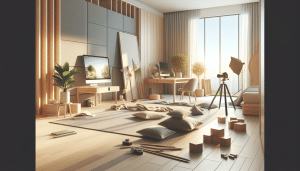
Minimalist home decor is turning heads everywhere. It’s more than just white walls and empty corners. The hallmark of this style lies in simplicity, clean lines, and intentional design. There’s a calm that radiates inside a decluttered space, and that feeling is exactly what’s capturing so much attention. When everyday objects are thoughtfully chosen, the resulting harmony speaks for itself and resonates deeply with those seeking tranquility at home. Many find that fewer items actually increase the visual and emotional value of what remains in a room. This aesthetic speaks to a generation searching for more meaning and less chaos in their lives. Modern architecture, Scandinavian influences, and Japanese design all play a part in elevating this way of living (Source: https://www.dezeen.com/2016/12/20/minimalism-architecture-design-interiors-top-ten).
There’s another powerful reason so many people gravitate toward minimalist decor. It helps reduce decision fatigue and visual stress. In homes overflowing with knickknacks, deciding what to tidy or where to relax can be overwhelming. By minimizing possessions, it becomes easier to clean, organize, and focus on what’s important. Spaces feel more open and welcoming, encouraging you to relax and recharge. Minimalism isn’t just about aesthetics – it’s closely linked to the movement of mindful living. When distractions are removed, attention can shift to experiences and relationships. This philosophy encourages people to connect with their environment on a deeper, more satisfying level.
Social media has also given the minimalist lifestyle a significant boost. Platforms like Instagram and Pinterest are filled with awe-inspiring shots of serene, clutter-free rooms with airy lighting and subtle textures. People share their progress, their tips, and the sense of freedom that comes from letting go of unnecessary items. There’s a growing community of enthusiasts eager to swap ideas on functional design and conscious consumption. As this trend intersects with eco-friendly living, it’s becoming a catalyst for positive behavioral change. Even those initially skeptical find something alluring about the streamlined look and the sense of peace it can foster within their homes (Source: https://www.apartmenttherapy.com/minimalism-benefits-science-37009725).
The Core Principles of Minimalist Home Decor
Minimalist home decor follows a few guiding principles. One key rule is ‘less is more.’ This approach encourages people to keep only what serves a function or brings joy. Color palettes are often neutral and soothing, incorporating whites, beiges, and gentle greys. Everything chosen fits a purpose — either practical or aesthetic. Furnishings are usually sleek, with little ornamentation, helping create a clutter-free, calming environment. The result is a sense of order that can positively influence how you feel in your daily routines (Source: https://www.healthline.com/health/mental-health/minimalism-benefits).
Another crucial element is the focus on light and space. Large windows, sheer curtains, and mirrors are often used to maximize natural light, creating an airy and spacious feel. In minimalist design, negative space is considered just as important as the objects themselves. This physical openness often translates into mental clarity. A decluttered space can help reduce anxiety and foster creativity. It’s a gentle reminder that not every wall or corner needs to be filled. Instead, it’s about letting each object breathe for a visually restful effect.
Personalization is not lost amid the simplicity. Instead, it’s expressed more intentionally. Art pieces or sculptures that hold special significance often become focal points in the decor. Many homeowners use plants as living art, adding life without crowding the environment. The result is a home that reflects authentic tastes without unnecessary distraction. As more individuals embrace these principles, they find that a streamlined home can support a fuller, more enjoyable lifestyle. Minimalist decor, far from sterile, becomes the blank canvas for meaningful living (Source: https://www.archdaily.com/778519/7-principles-of-minimalist-interior-design).
Minimalism and Well-being: A Closer Look
There’s growing interest in the connection between minimalist spaces and personal well-being. Minimalist home decor has been linked to stress relief and even improved physical health. When the eyes rest on tidy, ordered spaces, it can lower cortisol levels — the body’s main stress hormone (Source: https://www.ncbi.nlm.nih.gov/pmc/articles/PMC5579396/). For some, this leads to better sleep and improved overall mood. The impact is not just internal; minimalist homes often require less cleaning and maintenance, indirectly providing more leisure time for residents.
Embracing minimalist decor may also boost focus and productivity. In an environment where distractions are minimal and belongings are intentionally arranged, people find it easier to complete tasks. Work-from-home spaces and study nooks are particularly fitting for this trend. Clean lines, limited clutter, and designated zones foster concentration. The psychological benefits of this approach are being explored in studies across psychology and environmental health fields, indicating that streamlined surroundings can help clear mental fog.
Minimalism’s influence stretches into digital life as well. People are now applying minimalist design principles to their digital environments—organizing phones, desktops, and even online habits. This holistic approach towards simplicity contributes to feeling less overwhelmed and more present. As the mind mirrors one’s physical surroundings, adopting minimalist decor can ripple into other life spheres. Many ultimately discover that a well-curated home becomes a refuge, enhancing both physical and emotional health.
Transforming Spaces: Starting Your Minimalist Journey
Starting with a minimalist home doesn’t mean discarding everything overnight. It often begins with a simple decluttering process. Homeowners are encouraged to assess which items serve a true purpose or bring joy. Unused or duplicate possessions are candidates for donation or recycling. The process can be therapeutic, providing clarity about what matters. Every room is examined thoughtfully, from the kitchen to the living room and beyond.
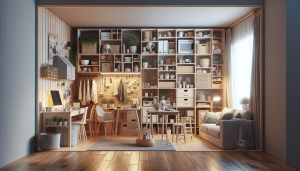
Choosing furniture that aligns with minimalist values is another important step. Modular sofas, sleek tables, and unembellished shelving keep spaces functional and visually clear. Storage solutions, like hidden cabinets and multi-purpose pieces, support tidy living without sacrificing comfort. The goal is to maintain visual calm and avoid overcrowding. Some people blend elements of other design styles, like mid-century modern or contemporary, for added warmth and character (Source: https://www.elledecor.com/design-decorate/interior-designers/a30394765/minimalist-home-decor/).
Lighting choices play a major role as well. Emphasis is placed on natural light, but when sunlight is scarce, LED fixtures and soft floor lamps are chosen for their gentle illumination. Mirrors help amplify available light, making spaces feel more expansive. In bedrooms, simple bedding and uncluttered nightstands set a restful tone. Each step, no matter how small, moves homeowners closer to a tranquil, minimalist sanctuary.
Minimalist Decor Trends and Popular Inspirations
Minimalist trends continue evolving, drawing inspiration from cultures around the world. Scandinavian minimalism is known for its natural wood accents, crisp palettes, and cozy textiles, all while maintaining simplicity. Japanese-inspired designs, such as wabi-sabi, celebrate the beauty of imperfection alongside clear surfaces and intentional decor. These styles emphasize authenticity over excess, blending comfort with sophistication.
Another rising trend is biophilic design — incorporating natural elements like plants, stone, and water into minimalist settings. The idea is simple: connect interior spaces with nature to enhance well-being. Even a single potted plant or a stone centerpiece adds visual interest without cluttering the environment. Many also experiment with pops of muted color or unexpected textures to personalize their minimalist interiors. The results can be stunning, proving that minimalism is far from monotonous.
Technology is also shaping modern minimalist decor. Smart home gadgets, with discrete designs, blend seamlessly into pared-down spaces. Wireless speakers, streamlined lighting controls, and subtle appliances help maintain a tidy look without compromising convenience. As social trends continue to spotlight sustainability and intentional living, these minimalist decor inspirations will keep evolving to meet changing needs and tastes (Source: https://www.architecturaldigest.com/story/minimalist-decor-ideas).
Personal Stories: How Minimalism Changes Homes and Lives
Many households share stories about the impact of minimalist home decor. Some tell of feeling less anxious and more organized after making the shift. One resident described walking into her living room and instantly feeling the stress of the day dissolve, replaced by a sense of calm. These accounts highlight the emotional benefits of a simplified environment.
Others appreciate the effect minimalism has on family routines. Meal times become more intentional, and housekeeping becomes less daunting. With less to clean and maintain, many discover new hobbies or spend more time outside. It’s a shift away from the pressure to constantly acquire, redirecting attention to quality time and experience. This lifestyle even inspires children to be more thoughtful about their belongings.
Minimalism isn’t just about reducing – it’s about creating space for what truly matters. Whether it’s in a studio apartment or a sprawling house, every example demonstrates that intentional design can improve daily life. These stories, shared across blogs and forums, reinforce the growing appeal of minimalist home decor as both a design choice and a way of living holistically.
References
1. Dezeen. (2016). Minimalism: Highlights of 10 of the best minimalist architecture and interiors. Retrieved from https://www.dezeen.com/2016/12/20/minimalism-architecture-design-interiors-top-ten
2. Apartment Therapy. (2022). Why Minimalism Makes You Happier, According to Science. Retrieved from https://www.apartmenttherapy.com/minimalism-benefits-science-37009725
3. Healthline. (2021). 10 Minimalism Benefits That Will Change Your Life. Retrieved from https://www.healthline.com/health/mental-health/minimalism-benefits
4. ArchDaily. (2016). 7 Principles of Minimalist Interior Design. Retrieved from https://www.archdaily.com/778519/7-principles-of-minimalist-interior-design
5. National Institutes of Health. (2017). Influence of a tidy home on stress reduction. Retrieved from https://www.ncbi.nlm.nih.gov/pmc/articles/PMC5579396/
6. Elle Decor. (2019). Minimalist Decorating Ideas Proving Less Can Be More. Retrieved from https://www.elledecor.com/design-decorate/interior-designers/a30394765/minimalist-home-decor/

 You Can Explore Cultural Wonders on a Budget Trip