Trends You’ll Notice in Modern Urban Living
Lucia Fernandez September 29, 2025
Peek into the world of modern urban living and discover the lifestyle shifts shaping city experiences. This guide uncovers daily routines, entertainment trends, interior inspiration, and how digital culture influences how people dwell and unwind in bustling environments.
Shifting Routines and City Rhythms
City dwellers often find their daily routines changing as urban environments continually evolve. From morning commutes packed with podcasts and espresso in hand, to evenings spent at boutique gyms or cozy rooftop lounges, the rhythms of metropolitan life adapt swiftly. The concept of “work-life blend” is gradually overtaking rigid work schedules, and flexible remote opportunities are being adopted by many companies. This flexibility tends to offer greater autonomy, allowing individuals to craft days around wellness and leisure as much as work demands. Such patterns reflect a broader trend: cities are no longer just work hubs, but full-fledged lifestyle destinations filled with opportunities for self-expression and personal growth (Source: https://www.cdc.gov/workplacehealthpromotion/model/assessment/index.html).
Modern urbanites frequently participate in activities designed to elevate quality of life, such as cycling to work or joining community-supported agriculture (CSA) programs. Options for entertainment have diversified. Many spend time experiencing local art galleries, open-air film screenings, and dynamic community festivals. Socializing has been enhanced by tech-driven meetups—apps easily connect newcomers or enthusiasts seeking like-minded groups. This lifestyle flexibility nurtures a sense of belonging in the sprawling cityscape and ensures that no two days are exactly alike.
Weekend routines also take fascinating turns. Some residents participate in farmers’ markets or pop-up shops, while others devote afternoons to volunteering or urban gardening. This tapestry of experiences characterizes city life today, blending wellness, food culture, and connectivity into a vibrant daily existence. As urban rhythms merge tradition and innovation, they continue to appeal to people drawn to opportunity and variety.
Creating Meaningful Home Environments
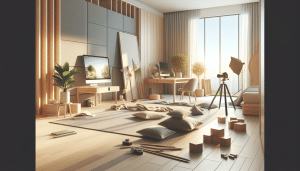
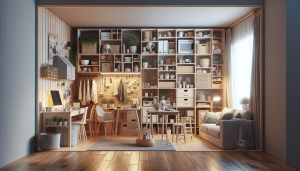
With more time spent at home, interior design for apartments and small homes has soared in importance. People are transforming limited spaces into havens of comfort by incorporating natural light, lush indoor plants, and multifunctional furniture. A surge in minimalist decor can be credited to urban dwellers seeking peace amid city hustle. Furniture that serves dual purposes—like sofa beds and extendable tables—maximizes utility without sacrificing style. Home offices have popped up in nooks and corners, now fundamental for many hybrid workers (Source: https://www.nytimes.com/guides/realestate/home-decor-ideas).
Another major lifestyle trend involves sustainable living. Reclaimed wood, recycled materials, and energy-efficient lights now appear as staple features in many homes. Urbanites value eco-friendly practices and often support local craftspeople, promoting ethical consumerism. DIY projects like creating balcony herb gardens and decorating with handwoven textiles enhance personalization while reducing environmental impact. Even high-tech touches—like smart thermostats and lighting—aim to optimize both convenience and energy use, blending classic comfort with modern edge.
Seasonal refreshes have become part of the entertainment for many. Homeowners and renters alike rearrange furniture, update color palettes, or add art to transform their surroundings and reflect current moods. These regular updates create a sense of renewal, harnessing design to enhance happiness and well-being. Urban spaces, even those compact in size, become uniquely expressive—showcasing creativity and adaptability.
Social Entertainment and the Rise of Micro-Experiences
Gone are the days when grand events dominated urban social calendars. Micro-experiences—intimate dinners, themed book clubs, or wellness workshops—have surged, reflecting a need for genuine connection. Increasingly, entertainment means deep conversation over craft coffee or a silent disco under the stars. These smaller scale gatherings make it easier to build community, nourish interests, and share memorable moments without the overwhelm of crowded venues (Source: https://www.urban.org/urban-wire/urban-leisure-growing-slowly-well).
Many people also seek immersive activities that blend learning and play. Popular options range from painting studios paired with local wine tastings to chef-led cooking classes. Escape rooms and interactive theatre are also gaining ground—proving that entertainment trends have leaned toward experiences that stimulate creativity and collaboration. These events appeal to diverse audiences and offer a break from daily routines, fostering the kind of fun that lingers in memory.
The digital world keeps transforming the entertainment landscape. Livestreamed events, virtual museum tours, and online trivia nights allow friends to gather, even when apart. Social media fuels the popularity of pop-up events, flash mobs, and secret-location gatherings. With technology as an enabler, these micro-experiences encourage more inclusive, personalized, and spontaneous ways for city residents to socialize and unwind.
Digital Culture’s Impact on Urban Leisure
Technology is interwoven with urban life, redefining what entertainment and relaxation mean. Consumers crave on-demand content and services—streaming platforms, online workout classes, and digital book clubs enable leisure on their own terms. Smart devices sync with home environments for soundscapes, mood lighting, and fitness tracking, reflecting the blend of convenience and customization in daily routines (Source: https://www.pewresearch.org/internet/2023/09/11/digital-life-in-2025/).
Social media has an outsized influence in shaping entertainment decisions, whether discovering trending restaurants or sharing experiences through photos and stories. Influencer culture impacts where people go, what they wear, and which experiences they prioritize. For many, food halls, rooftop cinemas, and innovative pop-up concepts are sought largely because of their Instagram-worthiness—a dynamic that keeps businesses on their toes to deliver visually and socially rewarding moments.
There’s also growing awareness of digital well-being. Some retreat into unplugged weekends or join digital detox workshops to strike a healthy tech-life balance. City dwellers are increasingly deliberate about carving out screen-free time for analog pursuits—vinyl listening parties, nature walks, and journaling circles offer meaningful alternatives. Digital culture brings global inspiration, but real experiences still hold special appeal as antidotes to constant connectivity.
Wellness and Mindful Living in Urban Spaces
Wellness has become central to lifestyle in modern cities. Urbanites focus on practices that foster both mental and physical resilience. This might include yoga in parks, mindfulness meditation apps, or joining local running clubs. Healthy food habits are cultivated through farmer’s markets, plant-based restaurants, and home cooking using seasonal ingredients. Prioritizing wellness supports productivity and helps manage the unique pressures that come with metropolitan life (Source: https://www.wellnessliving.com/blog-post/urban-wellness-creating-balance-city/).
Mindful living isn’t just about fitness. It’s finding ways to recharge despite the city’s hustle—think meditation studios, creative hobbies, or carving out quiet hours in community libraries. Balanced routines support better sleep, healthy relationships, and improved mood. Many city dwellers are aware that wellness is a journey, not a destination, and take small steps—like taking walking meetings or practicing gratitude exercises—to foster holistic well-being.
Many residents embrace community initiatives that promote shared wellness. Communal gardens, group fitness events, and wellness workshops provide connections and support. As a result, individuals realize that building a healthy lifestyle is easier—and often more enjoyable—within a network of neighbors who share similar values and aspirations. These collective efforts underscore a new wave of mindful, engaged urban living.
Embracing Cultural Diversity and Inclusion
Modern cities thrive on diversity, which is reflected in entertainment trends and lifestyle choices. Cultural festivals, international food fairs, and global music concerts inspire curiosity and foster collaboration. In many urban centers, people savor everything from dim sum breakfasts to samba dance nights and open-air poetry slams. These cross-cultural encounters broaden perspectives, spark friendships, and foster inclusion (Source: https://www.brookings.edu/articles/cities-are-diverse-and-diversifying-they-need-to-plan-for-that/).
Entertainment venues also play a role in cultural exchange. Themed theater nights, language workshops, and cuisine tastings nurture appreciation for various traditions. People are drawn to experiences that mix discovery with enjoyment—like art exhibits featuring global artists or pop-up shops run by immigrant entrepreneurs. Such happenings deepen understanding and create a sense of united community, even within fast-paced, ever-changing cityscapes.
Inclusivity is an emerging priority in event planning and venue design. Wheelchair access, family-friendly amenities, and gender-neutral restrooms signal that everyone’s participation matters. In practice, this encourages greater turnout and engagement from residents and visitors alike, expanding the appeal of urban entertainment far beyond traditional boundaries. Diversity and inclusion now set the tone for vibrant, future-ready city life.
References
1. Centers for Disease Control and Prevention. (n.d.). Workplace Health Model: Assessment. Retrieved from https://www.cdc.gov/workplacehealthpromotion/model/assessment/index.html
2. The New York Times. (n.d.). Home Decor Ideas. Retrieved from https://www.nytimes.com/guides/realestate/home-decor-ideas
3. Urban Institute. (n.d.). Urban Leisure Is Growing Slowly and Well. Retrieved from https://www.urban.org/urban-wire/urban-leisure-growing-slowly-well
4. Pew Research Center. (2023). Digital Life in 2025. Retrieved from https://www.pewresearch.org/internet/2023/09/11/digital-life-in-2025/
5. WellnessLiving. (n.d.). Urban Wellness: Creating Balance in the City. Retrieved from https://www.wellnessliving.com/blog-post/urban-wellness-creating-balance-city/
6. Brookings Institution. (n.d.). Cities Are Diverse and Diversifying: They Need to Plan for That. Retrieved from https://www.brookings.edu/articles/cities-are-diverse-and-diversifying-they-need-to-plan-for-that/

 Unlocking Radiant Skin You Can See and Feel