Smart Finance Practices That Support Daily Budgeting
Nathan Cole September 30, 2025
Managing money today isn’t just about cutting back on lattes—it’s about using smarter tools, strategies, and habits to make every dollar stretch further. With inflation, rising rents, and the digital economy shifting how we spend, smart finance practices that support daily budgeting have never been more important.
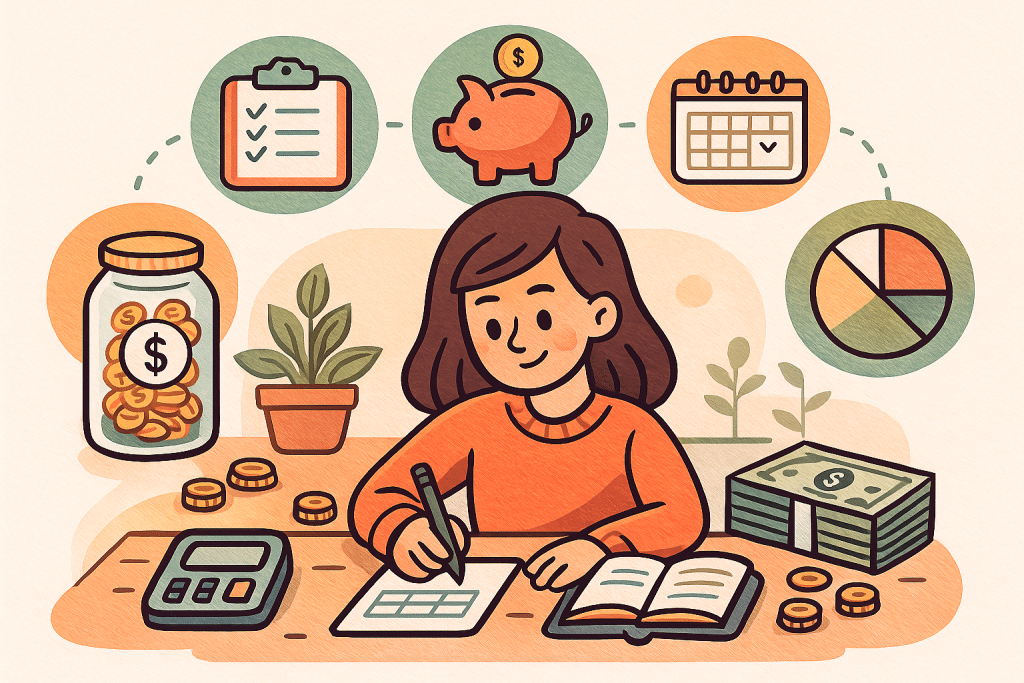
This guide explores the latest trends, apps, and behavioral shifts shaping personal finance in 2025, helping you stay on top of your budget without feeling restricted.
Why Daily Budgeting Has Become Essential
The past five years have dramatically reshaped personal finance. Prices for groceries and housing have climbed, and households are under pressure to track every cent. Studies show that over 64% of Americans now live paycheck to paycheck (LendingClub, 2024). That means a single unplanned expense can derail financial stability.
But budgeting doesn’t have to mean sacrifice. With the right tools and strategies, it becomes about control and freedom—ensuring you know where your money is going and why.
Trend 1: AI-Powered Budgeting Apps
Budgeting apps have been around for years, but 2025 is different. Apps like Monarch, YNAB (You Need a Budget), and Rocket Money now use artificial intelligence to categorize spending, predict bills, and even recommend savings goals.
Key features include:
- Predictive analytics – apps forecast upcoming expenses based on your habits.
- Automated round-ups – purchases are rounded up to the nearest dollar, with spare change funneled into savings.
- Bill negotiation – some apps contact service providers to lower bills on your behalf.
Research shows that consumers who use automated apps save an average of 20% more annually compared to those who rely on manual spreadsheets (PwC, 2023).
Trend 2: Cash-Stuffing Goes Digital
The viral TikTok “cash-stuffing” method—where users allocate physical cash into envelopes for categories like groceries, entertainment, and rent—has evolved. In 2025, fintech startups now offer digital envelope budgeting systems, syncing with bank accounts while retaining the discipline of envelope budgeting.
Apps like Qube Money provide a virtual envelope system, ensuring that if your “dining out” envelope is empty, your debit card simply declines. This method not only enforces spending discipline but also mirrors the psychological effect of handling physical cash (Rick et al., 2008).
Trend 3: Micro-Savings and Subscriptions
Subscription creep—those 5, 10, and 20 dollars recurring charges—silently drains accounts. A 2024 survey by C+R Research found that the average American underestimates their monthly subscriptions by over 100 dollars.
Smart finance practice in 2025:
- Audit subscriptions monthly with tools like Rocket Money.
- Switch to micro-savings apps such as Acorns or Digit that automatically set aside small sums daily.
- Gamify savings goals—apps now use streaks and rewards to encourage consistency.
This dual approach of cutting unnecessary subscriptions and replacing them with automated micro-savings can create hundreds in monthly breathing room.
Trend 4: Buy Now, Pay Later (BNPL) Under Control
BNPL surged during the pandemic, but in 2025, regulators have tightened rules. While services like Klarna and Affirm remain popular, responsible use is a must.
Smart finance practices for BNPL:
- Only use BNPL for planned essential purchases, not impulse shopping.
- Link repayments directly to your budgeting app to avoid surprises.
- Take advantage of zero-interest offers, but avoid stretching payments beyond 6 months.
When used strategically, BNPL can help manage cash flow without paying interest—but without discipline, it risks leading to hidden debt cycles (Consumer Financial Protection Bureau, 2024).
Trend 5: Side Hustle Income Tracking
With the rise of the gig economy—Uber, DoorDash, freelance platforms—many people now juggle multiple income streams. A daily budget must adapt to irregular paychecks.
Smart finance practices include:
- Separating personal and side hustle accounts.
- Using accounting tools like Wave or QuickBooks Self-Employed for tax-ready reports.
- Allocating a fixed percentage (e.g., 25%) of gig income into a tax sinking fund.
This keeps side hustle money working for you instead of creating April tax surprises.
Trend 6: Zero-Based Budgeting Made Simple
Zero-based budgeting (ZBB) isn’t new, but it’s trending again thanks to digital tools. The idea: assign every single dollar a job—whether it’s bills, savings, or fun money—so that your “leftover” balance is always zero.
Apps like YNAB and EveryDollar make ZBB intuitive by showing, in real time, whether you’ve assigned income correctly. Households using ZBB report being twice as likely to achieve debt-free living within five years (Ramsey Solutions, 2023).
Trend 7: Smart Grocery Budgeting
Food costs remain one of the top pain points for daily budgets. Shoppers are increasingly turning to:
- AI meal planners that create recipes based on local store discounts.
- Grocery cashback apps like Ibotta and Fetch.
- Community co-ops and warehouse clubs for bulk essentials.
USDA data shows that meal planning and bulk buying reduce average grocery bills by 25% per household annually (USDA, 2024).
Trend 8: Banking Rewards That Work Like Budget Boosters
Banks are shifting from traditional rewards to budget-friendly incentives. In 2025, expect more:
- Cashback on recurring bills like utilities.
- Round-up matched savings where banks match your micro-savings deposits.
- Personalized financial coaching tied to spending data.
Choosing banks that align with your budgeting goals can turn ordinary transactions into daily savings wins.
How Behavioral Psychology Supports Smart Budgeting
Money management isn’t just numbers—it’s habits and behavior. Studies in behavioral economics show that visual tracking, like charts or envelope systems, improves accountability (Thaler & Sunstein, 2009).
Key takeaways for daily budgeting success:
- Use visual progress trackers inside apps.
- Pair spending alerts with intentional “pause” moments before purchases.
- Implement reward mechanisms—allow yourself small, planned indulgences when sticking to your budget.
Conclusion: Budgeting in 2025 Is Smarter, Not Harder
In 2025, smart finance practices that support daily budgeting are more accessible, automated, and personalized than ever. From AI-driven apps to digital cash-stuffing, today’s tools transform budgeting from a chore into a lifestyle choice that supports freedom and resilience.
The smartest budget isn’t the strictest—it’s the one you’ll actually stick to. With technology, behavioral insights, and a few daily practices, your financial future is in your control.
References
- Fidelity Investments. (2023) How to create a household budget that works. Available at: https://www.fidelity.com/ (Accessed: 30 September 2025).
- U.S. News & World Report. (2022) 50/30/20 Rule: A simple budget plan to live by. Available at: https://money.usnews.com (Accessed: 30 September 2025).
- Consumer Financial Protection Bureau (CFPB). (2024) Tools for managing money and creating a budget. Available at: https://www.consumerfinance.gov (Accessed: 30 September 2025).

 DIY Home Projects That Enhance Storage