How Startups Are Driving Innovation in Global Markets
Nathan Cole September 30, 2025
How startups are driving innovation in global markets is one of the most talked-about themes today. From AI-driven healthcare to green energy, startups are disrupting industries and pushing economic growth at a global scale.
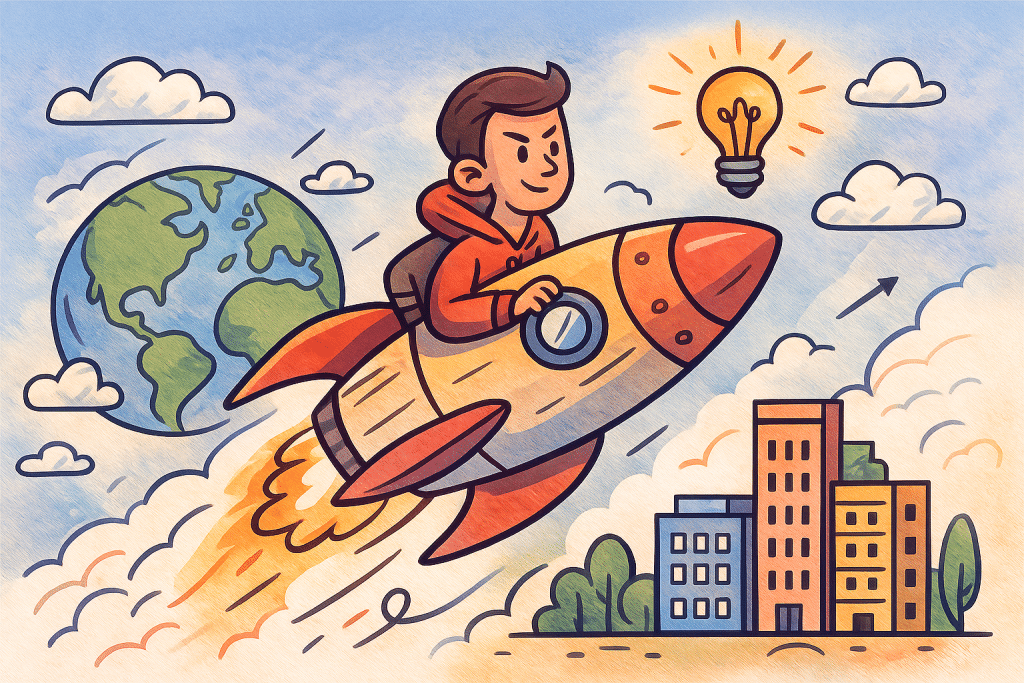
The Startup Effect: Why Small Means Powerful
Unlike large corporations burdened by bureaucracy, startups thrive on speed, flexibility, and creativity. Their lean structures allow them to pivot rapidly, test new models, and bring disruptive ideas to market faster than traditional enterprises.
According to the World Economic Forum, startups are now central to reshaping industries ranging from finance to agriculture. Their agility is helping nations adapt to challenges such as climate change, labor shortages, and digital transformation (World Economic Forum 2023).
Key Sectors Where Startups Are Leading
1. Artificial Intelligence and Automation
Startups are at the forefront of AI innovation. Whether it’s automating supply chains, powering personalized medicine, or enabling smarter financial services, small companies are setting the pace.
For example, OpenAI, which started as a research-focused startup, has become a global leader influencing how AI is integrated into businesses worldwide. Similarly, companies like UiPath transformed robotic process automation into a billion-dollar sector.
Why this matters globally: Emerging economies benefit greatly, as AI startups can help leapfrog traditional infrastructure and boost productivity.
2. Climate Tech and Green Innovation
Sustainability is no longer optional, and startups are leading the charge. From carbon capture technologies to renewable energy marketplaces, climate-focused startups raised over $70 billion globally in 2022 alone (PwC 2022).
In regions like Africa and Southeast Asia, clean energy startups are expanding access to affordable power where legacy grids cannot reach. This shows how local innovation can create global impact.
3. Fintech Revolution in Emerging Markets
Financial technology startups are arguably the most impactful players in emerging markets. Platforms such as M-Pesa in Kenya have revolutionized how millions access money without traditional banks.
In India, UPI-based startups processed more than 10 billion digital transactions per month in 2023, reshaping the country’s economy (RBI 2023). This global ripple effect is now inspiring similar models in Latin America and Africa.
4. HealthTech and Biotech Breakthroughs
Startups in health are creating faster diagnostic tools, digital therapeutics, and affordable telemedicine services. During the COVID-19 pandemic, many biotech startups played a key role in vaccine development and rapid testing solutions.
For instance, Moderna, which was a small biotech player a decade ago, became a household name by delivering one of the world’s first mRNA vaccines.
5. Web3 and Decentralized Technologies
Despite volatility, blockchain and Web3 startups are pioneering decentralized finance, identity management, and supply chain transparency. These innovations are enabling new forms of ownership and trust in digital markets.
Countries like Singapore, Estonia, and the UAE are actively supporting startup ecosystems around blockchain because of their potential to redefine cross-border trade.
How Global Markets Are Responding
Rise of Cross-Border Startup Hubs
Cities such as Berlin, Tel Aviv, Bangalore, and Lagos are attracting funding and talent, creating a global startup ecosystem. This decentralization of innovation means Silicon Valley is no longer the sole epicenter.
Government Policies Fueling Innovation
Countries are creating startup-friendly regulations:
- France: “La French Tech” initiative offering funding and mentorship.
- India: Startup India program easing compliance and tax rules.
- UAE: Golden Visa for entrepreneurs.
These policies are shaping how startups can scale globally with reduced friction.
Challenges SChallenges Startups Face Globally
Startups may be thriving, but scaling across borders isn’t smooth sailing. Common hurdles include:
Funding volatility – Venture capital dries up when markets shift, leaving growth plans in limbo. A startup that secures a big round one year can struggle the next when investor appetite cools.
Talent shortages – Skilled workers in AI, biotech, and engineering are in short supply. Startups often lose top talent to large corporations that can pay more and offer stability.
Regulatory uncertainty – From fintech compliance to Web3 crackdowns, shifting laws can flip a business model overnight. Small teams rarely have the legal muscle to keep pace.
Market access – Expanding globally isn’t just about going online. Local regulations, cultural differences, and pricing expectations can block entry if startups don’t adapt fast.
Even with these roadblocks, startups stay resilient by leaning on cross-border partnerships, digital-first models, and the ability to pivot quickly when conditions change.
Case StCase Studies of Global Startup Innovation
Revolut (UK): Began as a travel card to avoid exchange fees and grew into a financial super-app offering banking, crypto, and investing. It now serves over 35 million customers worldwide.
BYJU’S (India): Transformed how students learn through interactive videos and gamified lessons, making quality education accessible beyond classrooms. The platform has scaled to more than 100 million users.
BioNTech (Germany): Pioneered mRNA therapies and, in partnership with Pfizer, created one of the first COVID-19 vaccines, showing how startups can move faster than traditional pharma.
Flutterwave (Nigeria): Tackled fragmented African payment systems by building a unified platform now used by both small businesses and global giants like Uber.
These examples highlight how startups can grow from solving local problems to shaping global industries.
The Future of Startup-Driven Global Innovation
Looking ahead, three themes stand out:
AI-First Startups
The next global unicorns will be AI-driven. Expect breakthroughs in logistics, healthcare, and even agriculture as startups use AI for smarter supply chains, personalized medicine, and automated farming.
Green Startups Scaling Globally
Climate change is pushing sustainable solutions to the mainstream. From affordable solar power in Africa to electric mobility in Asia, green startups are proving they can scale fast and reshape entire markets.
Democratization of Capital
Funding is no longer locked in VC boardrooms. Crowdfunding, tokenized assets, and DAOs are giving entrepreneurs direct access to global communities, creating more diverse and inclusive innovation.
Bottom Line
As digital transformation and globalization converge, startups will remain at the center of progress—solving big problems and building solutions that cross borders.
Conclusion
How startups are driving innovation in global markets is not just a trend—it’s reshaping economies, industries, and societies. From AI breakthroughs to climate solutions, startups are the engines of the future economy, challenging incumbents and solving global problems with local solutions.
Governments, investors, and consumers alike should watch closely: the world’s next billion-dollar idea is likely being built in a garage, co-working space, or coding bootcamp right now.
References
- PwC. (2021) The global startup ecosystem: How entrepreneurs are shaping the future of business. Available at: https://www.pwc.com/ (Accessed: 30 September 2025).
- OECD. (2022) Entrepreneurship and innovation in global markets. Available at: https://www.oecd.org/entrepreneurship (Accessed: 30 September 2025).
- World Economic Forum. (2023) How startups are driving innovation worldwide. Available at: https://www.weforum.org (Accessed: 30 September 2025).

 Travel Planning Tips for Family Adventures