Wellness Techniques That Encourage Mindfulness
Lucia Fernandez September 18, 2025
The demand for wellness techniques that encourage mindfulness has exploded in recent years. With constant notifications, fast-paced work environments, and digital overload, people are seeking tools that help them slow down and reconnect with themselves. From AI-powered meditation apps to sensory-based mindfulness practices, new trends are reshaping the way we approach mental clarity and focus.
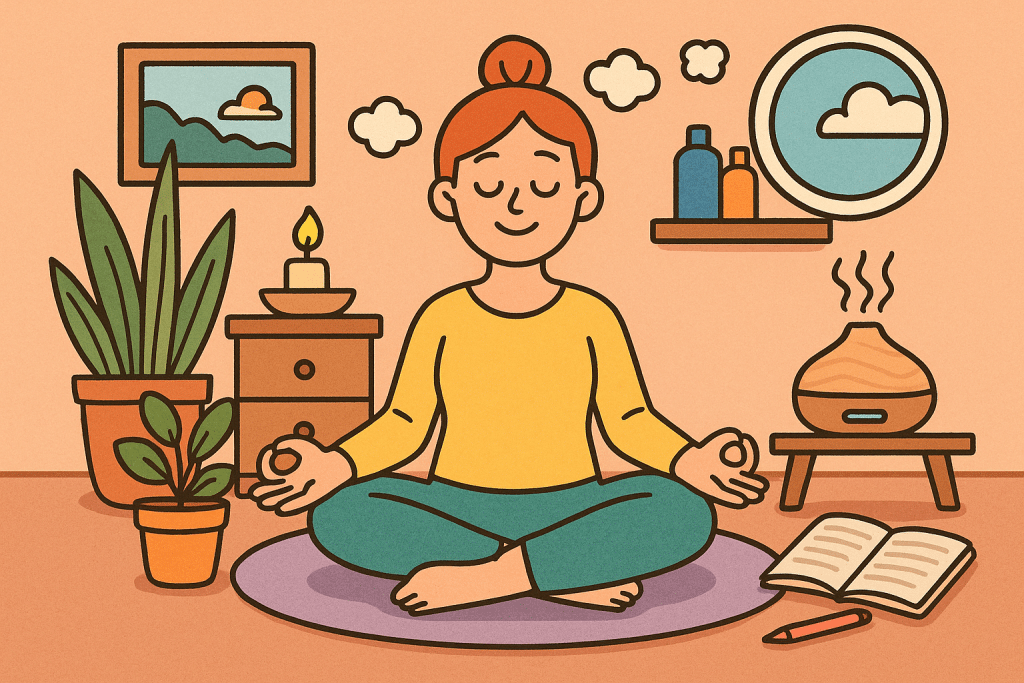
Why Mindfulness Is No Longer Optional
The practice of mindfulness—paying attention to the present moment without judgment—has been studied extensively for its benefits. Research shows it reduces stress, improves sleep, and enhances focus, making it vital in an era defined by burnout (Kabat-Zinn 2015).
Modern workplaces now encourage mindfulness as part of employee wellness programs. Global tech giants like Google and Salesforce run corporate mindfulness initiatives, acknowledging that a healthier mind equals higher productivity. According to the American Psychological Association, workplace stress costs companies billions annually, highlighting why mindfulness isn’t just a trend but a necessity (APA 2022).
1. Tech-Driven Mindfulness: AI Meditation and Biofeedback Apps
One of the hottest wellness techniques right now is the integration of artificial intelligence and biofeedback in mindfulness tools.
- AI-guided meditation apps like Headspace and Calm have evolved from simple timers into platforms offering personalized mindfulness journeys. By analyzing user behavior, they recommend specific sessions for anxiety, focus, or better sleep.
- Wearable devices such as Muse and Fitbit now track heart rate variability (HRV) and provide real-time feedback on stress, guiding users toward mindful breathing exercises when stress levels spike.
A 2023 study published in JMIR Mental Health found that users of mindfulness apps reported significant improvements in emotional regulation and resilience compared to non-users (Champion et al. 2023).
2. Somatic Mindfulness: Grounding the Body to Calm the Mind
Mindfulness isn’t only about the mind; the body plays a crucial role. Somatic mindfulness techniques—such as progressive muscle relaxation, yoga nidra, and body scans—are gaining momentum.
These practices encourage people to tune into physical sensations, anchoring attention to the body to quiet mental chatter. Neuroscience research has shown that somatic-based practices reduce cortisol levels and increase gray matter density in brain regions associated with emotional regulation (Hölzel et al. 2011).
For example:
- Yoga nidra (a guided relaxation technique) helps individuals reach deep states of rest, often compared to the benefits of several hours of sleep.
- Mindful walking, increasingly popular in urban wellness retreats, combines movement with sensory awareness—paying attention to breath, footsteps, and surroundings.
3. Sensory Mindfulness: The Rise of Sound and Aroma Therapy
Another fast-emerging trend in wellness techniques that encourage mindfulness is the use of sensory stimulation.
- Sound baths, where participants immerse themselves in resonant tones from gongs or crystal bowls, are being offered in both luxury spas and local community centers. Studies suggest that sound therapy can reduce anxiety and enhance relaxation by entraining brain waves into calmer states (Garcia-Gil et al. 2022).
- Aromatherapy mindfulness pairs essential oils like lavender or eucalyptus with breathing exercises. Olfactory stimulation activates the limbic system—the brain’s emotional center—helping users anchor their awareness in the present.
This combination of sensory engagement with mindfulness techniques makes the practice accessible even for beginners who struggle with traditional meditation.
4. Digital Detox Retreats: Disconnecting to Reconnect
With digital addiction on the rise, wellness retreats centered on mindful digital detox are gaining global traction.
Retreats in Bali, Portugal, and California now offer structured programs where participants surrender their devices for several days. Instead, they engage in guided meditations, journaling, and nature walks.
These retreats are particularly attractive to remote workers and executives who face “Zoom fatigue” and information overload. By removing digital noise, participants report improved focus, reduced anxiety, and a deeper sense of connection with themselves and others.
5. Micro-Mindfulness: Quick Practices for Busy Lives
Not everyone has the time for hour-long meditations. This has led to the rise of micro-mindfulness—short, intentional practices integrated into daily routines.
Examples include:
- Taking three mindful breaths before answering an email.
- Using “habit stacking”—pairing mindfulness with daily tasks like making coffee.
- Practicing gratitude journaling for 2 minutes before bed.
These quick techniques are increasingly being adopted in schools and workplaces, showing that mindfulness can be accessible to anyone, regardless of schedule.
6. Group-Based Mindfulness: Collective Calm in a Community
Mindfulness isn’t always a solo journey. Group-based mindfulness is making a comeback as people look for collective healing experiences after years of social isolation.
Community centers, coworking spaces, and even online platforms like Insight Timer now host group meditation sessions. Studies indicate that practicing mindfulness in groups strengthens adherence and enhances feelings of social connection (Shapiro et al. 2018).
The collective atmosphere fosters accountability and reminds participants that mindfulness is not just about personal wellness but also about nurturing compassion and empathy toward others.
Practical Guide: How to Start Integrating Mindfulness Today
If you’re new to mindfulness, here are simple ways to begin:
- Start small: Commit to 5 minutes daily with a guided app.
- Anchor in the body: Try a 2-minute body scan while sitting at your desk.
- Use sensory cues: Light a calming candle or listen to a sound bath playlist.
- Experiment with timing: Morning sessions can set the tone for the day; evening practices help unwind.
- Join a group: Find local or virtual meditation circles for added support.
The key is consistency over intensity. Small, repeated practices build sustainable mindfulness habits.
Conclusion: The Future of Mindfulness Is Hybrid
The future of wellness techniques that encourage mindfulness lies at the intersection of technology, sensory engagement, and community. From AI-driven personalization to ancient practices like yoga nidra, the variety of options makes mindfulness more accessible than ever.
In a world dominated by distraction, these techniques don’t just encourage mindfulness—they make it practical, functional, and essential.
References
- Kabat-Zinn, J. (2015) Mindfulness for beginners: reclaiming the present moment—and your life. Boulder: Sounds True. Available at: https://www.soundstrue.com (Accessed: 17 September 2025).
- American Psychological Association (2019) Mindfulness meditation: A research-proven way to reduce stress. Available at: https://www.apa.org(Accessed: 17 September 2025).
- Harvard Health Publishing (2021) Mindfulness meditation may ease anxiety, mental stress. Available at: https://www.health.harvard.edu (Accessed: 17 September 2025).

 Tips for Investing in Rental Properties Successfully