Can Minimalist Living Change Your Everyday Life
Lucia Fernandez November 15, 2025
Minimalist living is gaining momentum in lifestyle circles, inspiring many people to declutter, simplify, and focus on what matters. This guide explores the reasons behind this trend, how to get started, and what benefits minimalist design and mindset can bring into daily routines.
Why Minimalist Living Attracts So Many
Minimalist living is more than just reducing clutter. It’s about creating calm, intentional spaces that promote clarity of mind and freedom from unnecessary distractions. The appeal comes from its promise of simplicity. In a world that feels overwhelming, the minimalist movement invites individuals to reevaluate what truly adds value to life. With apps and technology constantly demanding attention, the idea of owning less yet enjoying more resonates deeply. It helps people gain back control over their schedules, finances, and mental health.
Trendy interiors featured in magazines and online platforms often highlight minimalist home decor. This movement strips back loud patterns and excessive belongings to showcase open, airy spaces with just a few purposeful items. Rather than being about deprivation, it advocates for mindful choices. Minimalist interior design often features neutral colors, clean lines, and multifunctional furniture. The emphasis is on functionality and beauty working together. For families, less clutter can also mean less cleaning and lower stress overall.
Minimalism also connects to sustainable living and environmental awareness. Reducing consumption naturally limits waste and encourages smarter purchasing decisions. By focusing only on what is needed or brings joy, many find themselves spending less and recycling more. Research shows that simplified living spaces can have a direct impact on well-being, improving mood and reducing anxiety. These tangible benefits contribute to the popularity of the minimalist trend, making it more than just an aesthetic—it’s a mindful way of life (https://www.psychologytoday.com/us/basics/minimalism).
Taking First Steps Toward a Minimalist Lifestyle
Jumping into minimalist living can feel daunting at first, especially for those accustomed to collecting things over the years. A practical approach often begins by evaluating everyday items. Experts suggest starting small, maybe with a single drawer, shelf, or room. The idea is to sort possessions, keep what feels useful or meaningful, and let go of the rest. Decluttering in stages prevents overwhelm. Over time, these small changes can snowball into a transformed living environment. Some find it helpful to set clear goals—for example, reducing wardrobe items to a curated collection of essentials.
Books, clothing, kitchen gadgets, and even digital files can contribute to daily noise. Minimalists often recommend adopting a ‘one in, one out’ rule—when a new item comes into the home, a comparable item leaves. This rule helps prevent a return to old habits and reinforces the advantages of deliberate consumption. Tools like donation boxes and organizational apps can streamline the process. Minimalist decor tips include maximizing natural light, using hidden storage, and selecting decor that adds both function and a bit of personality.
For those feeling stuck, online resources provide step-by-step guides, printable checklists, and visual inspiration. Community forums and minimalist blogs share real-world experiences that offer both encouragement and creative solutions. The slow and steady approach often yields the most lasting results, making each step a chance to reflect on what truly brings happiness. This thoughtful transition can shift the focus from accumulating things to appreciating experiences, relationships, and quality over quantity (https://www.apa.org/topics/minimalism).
Minimalist Home Decor Tips for a Tranquil Space
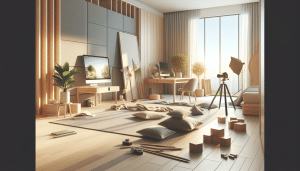
Home decor is one of the most visible expressions of minimalist living. Streamlining possessions creates a sense of calm and makes it easier to keep a tidy space. The main objective is to let each item in the home serve a purpose—either functional or visually pleasing. Neutral color palettes, natural materials, and sleek, unobtrusive furniture are hallmarks of this design style. Open shelving, layered textiles, and green plants can add warmth without creating visual clutter.
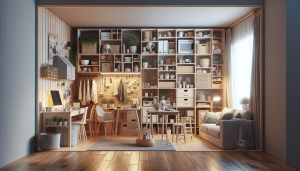
Lighting is another powerful tool in minimalist interiors. Plenty of natural light helps a space feel open and welcoming. Strategic use of lamps, mirrors, and soft fixtures can replace the need for heavy drapes or excessive decoration. Integrating storage solutions keeps useful items within easy reach but out of sight. This not only preserves the clean look of the space but also encourages ongoing organization—making minimalism sustainable over time.
Art displays in minimalist homes are typically intentional rather than crowded gallery walls. A single large piece or a curated trio of artworks provides a focal point without overwhelming the senses. Sensible floor plans allow for easy movement, fewer tripping hazards, and a generally more accessible living area. Such thoughtful design can support relaxation, creativity, and social interaction, making home life more enjoyable and less stressful (https://www.nytimes.com/guides/realestate/declutter).
Digital Minimalism and Mindful Tech Use
Modern minimalist lifestyles don’t only focus on physical stuff. Digital clutter is just as distracting. Email inboxes overflowing, endless notifications, and distracting social media feeds can hold back productivity and peace. Digital minimalism encourages individuals to review their online habits and set healthy boundaries. Unsubscribing from unnecessary emails and paring down app collections are foundational steps. For many, choosing to check technology on a set schedule helps to maintain focus and prevents mindless scrolling.
Mindful tech use can foster greater presence in daily life and relationships. Instead of splitting attention between multiple screens, digital minimalists embrace single-tasking. Turning off nonessential notifications, using ‘do not disturb’ features, and creating tech-free zones at home can offer relief from perpetual busyness. Decluttering the digital environment empowers users to reclaim their time for hobbies, exercise, or simply rest, with overall positive effects on well-being.
Many people find that after simplifying their digital spaces, they experience lower anxiety and increased satisfaction. Families adopting digital minimalist strategies often report more meaningful conversations and less friction. Online privacy and security also become easier to manage with fewer accounts and devices. For those feeling buried by technology, digital minimalism can bring a profound sense of order and control, supporting a calmer, more intentional lifestyle (https://www.ncbi.nlm.nih.gov/pmc/articles/PMC8579331/).
The Surprising Benefits of Living With Less
One major draw of minimalist living is its positive impact on mental health. Studies have linked organized, simple spaces with lower levels of stress and anxiety. People often report greater clarity, better mood, and sharper focus in decluttered homes. Financial advantages include spending less on consumer goods, lower maintenance costs, and sometimes even moving into smaller, more affordable housing options as needs and values shift.
Living with less also frees up time. Less cleaning and organizing means more moments for rest, hobbies, or socializing. Minimalist living can help individuals spend more intentionally, resisting trends that push unnecessary upgrades or duplicates. For families, this mindset can instill lessons about gratitude and contentment. Rather than rushing to acquire the latest gadgets or fashion, those embracing minimalism often rediscover satisfaction in simpler pleasures like nature walks, reading, or shared meals.
The ripple effect of living minimally extends to environmental impact as well. By consuming less and choosing quality over quantity, waste and carbon footprints decrease. Donations of surplus items often benefit community organizations. Even those who only partially adopt the lifestyle notice that small changes add up over time. Embracing minimalism can help align daily actions with broader values—like sustainability, intentional living, and holistic well-being (https://www.health.harvard.edu/newsletter_article/the-benefits-of-minimalism).
Common Myths and Personal Challenges in Minimalism
There are plenty of misconceptions around minimalist living. Some believe it’s only for singles or design enthusiasts, but families and people from all walks of life can adapt the principles. Minimalism doesn’t mean stark emptiness or strict rules. Instead, it’s about customization—finding the balance between having enough and having too much. Another myth is that it requires significant investment in trendy furniture, when in reality many start by simply using what they already own more intentionally.
Challenges do occur. Sentimental attachment to belongings, fear of missing out, or pressure from advertising can slow progress. It’s not uncommon to feel occasional regret after letting go of certain items. Many minimalists recommend focusing on progress, not perfection. Regular check-ins and flexibility make the transition smoother. Support systems like minimalist communities or family encouragement help maintain motivation throughout the process.
Minimalism can also be misunderstood as a fleeting trend. But research highlights its long-term benefits for mental health and happiness, especially when individuals adapt its core concepts to fit their unique circumstances. The practice is not about deprivation; it’s about thoughtful abundance—living with just enough to support happiness, purpose, and well-being. Those who stay mindful of their motives often find the journey rewarding, both immediately and into the future (https://www.apa.org/monitor/2021/03/trends-minimalism).
References
1. Psychology Today. (n.d.). Minimalism: What It Is and Why It’s Popular. Retrieved from https://www.psychologytoday.com/us/basics/minimalism
2. American Psychological Association. (n.d.). Minimalism and Mental Health. Retrieved from https://www.apa.org/topics/minimalism
3. The New York Times. (n.d.). A Guide to Decluttering Your Home. Retrieved from https://www.nytimes.com/guides/realestate/declutter
4. National Institutes of Health. (2021). Digital Minimalism and Mental Health. Retrieved from https://www.ncbi.nlm.nih.gov/pmc/articles/PMC8579331/
5. Harvard Health Publishing. (2019). The Benefits of Minimalism. Retrieved from https://www.health.harvard.edu/newsletter_article/the-benefits-of-minimalism
6. American Psychological Association. (2021). Trends: Minimalism for Mental Clarity. Retrieved from https://www.apa.org/monitor/2021/03/trends-minimalism

 Small Space Living Hacks You’ll Want to Try