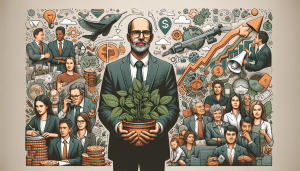
Emerging Business Trends in Entrepreneurship
Nathan Cole October 7, 2025
In 2025, the entrepreneurial landscape is changing faster than ever. Driven by technology, shifting consumer values, and global challenges, today’s founders must innovate not only with their products but also with their business models and strategies. Understanding the emerging business trends in entrepreneurship is essential for anyone looking to launch or grow a company in this competitive era.
From artificial intelligence and sustainability to remote-first organizations and new funding methods, entrepreneurship has become both more accessible and more complex. Entrepreneurs who stay ahead of these shifts are best positioned to create profitable, resilient businesses.

Why Following Trends Matters for Entrepreneurs
Entrepreneurship thrives on adaptability. Founders who recognize and act on trends early often gain:
- A competitive edge in crowded markets.
- Stronger customer loyalty by aligning with cultural values.
- Access to more efficient tools and strategies.
- Higher chances of long-term growth and investment opportunities.
According to a 2024 Global Entrepreneurship Monitor report, startups that adopt emerging trends are 35% more likely to survive beyond their first five years compared to those that don’t.
Emerging Business Trends in Entrepreneurship
1. AI-Driven Startups
Artificial intelligence is no longer reserved for tech giants. From automated customer service to AI-powered design tools, startups are leveraging AI to reduce costs and accelerate growth. Founders who integrate AI into their offerings position themselves as leaders in innovation.
2. Sustainability as Core Strategy
Eco-friendly practices are becoming central to entrepreneurship. Startups that prioritize renewable energy, ethical sourcing, and circular economy principles attract environmentally conscious consumers and investors.
3. Remote-First Companies
The remote work boom continues, allowing startups to access global talent while reducing overhead. Tools for virtual collaboration, digital project management, and cybersecurity have made distributed teams more viable than ever.
4. Niche Market Domination
Instead of competing with established players in large markets, entrepreneurs are finding success in specialized niches—whether that’s eco-conscious pet products, hyper-local services, or AI-driven personal wellness solutions.
5. New Funding Models
Crowdfunding, decentralized finance (DeFi), and revenue-based financing are giving founders alternatives to traditional venture capital. This democratization of funding makes entrepreneurship accessible to a wider range of people.
6. Health and Wellness Innovation
From mental health apps to wearable health devices, startups are capitalizing on rising demand for well-being solutions. Entrepreneurs in this sector are blending science, technology, and lifestyle design.
7. Creator Economy Integration
Entrepreneurs are building platforms and tools that empower creators—writers, artists, influencers—to monetize their skills. This trend fosters micro-businesses and disrupts traditional employment models.
8. Hyper-Personalization
Consumers expect tailored experiences. Startups are using big data and AI to offer customized products and services, from skincare to learning platforms.
9. Global Collaboration
Cross-border entrepreneurship is growing as digital platforms remove geographic barriers. Startups are expanding internationally earlier, tapping into diverse markets.
10. Social Impact Entrepreneurship
More founders are pursuing profit with purpose, building companies that address social issues such as education, clean water, or poverty while maintaining sustainable revenue streams.
Case Studies of Trend Adoption
- Allbirds – Built its entire brand on sustainability, proving that eco-conscious startups can compete globally.
- Figma – Leveraged remote-first collaboration to disrupt the design software industry.
- Kickstarter Projects – Continue to showcase how crowdfunding validates ideas and builds communities before launch.
Practical Tips for Entrepreneurs in 2025
- Stay informed through trend reports and industry publications.
- Validate ideas by aligning them with cultural shifts and consumer demands.
- Test AI tools for marketing, analytics, and product development.
- Prioritize agility—adapt business models when market changes occur.
- Build partnerships across industries to stay competitive.
Benefits of Embracing Emerging Trends
By incorporating emerging business trends in entrepreneurship, founders gain:
- Greater visibility among investors and consumers.
- Reduced operational costs through new tools and systems.
- Stronger brand differentiation in saturated markets.
- Long-term resilience by aligning with future-oriented values.
Conclusion
In 2025, entrepreneurship is shaped by rapid innovation and changing expectations. Founders who embrace emerging business trends in entrepreneurship—from AI and sustainability to remote-first work and social impact—are better equipped to thrive.
The future belongs to adaptable entrepreneurs who recognize that business is not just about profit but also about innovation, responsibility, and global collaboration.
References
- Global Entrepreneurship Monitor. (2024). Startup survival and trend adoption report. https://www.gemconsortium.org
- Forbes. (2024). Top entrepreneurship trends for 2025. https://www.forbes.com
- Harvard Business Review. (2024). The role of AI and sustainability in startups. https://hbr.org
- TechCrunch. (2024). Alternative funding models reshaping startups. https://www.techcrunch.com
- Entrepreneur. (2024). How niche markets fuel entrepreneurial growth. https://www.entrepreneur.com

 Interior Organization Tips That Save Time and Effort