Financial Habits That Build Long-Term Stability
Nathan Cole September 23, 2025
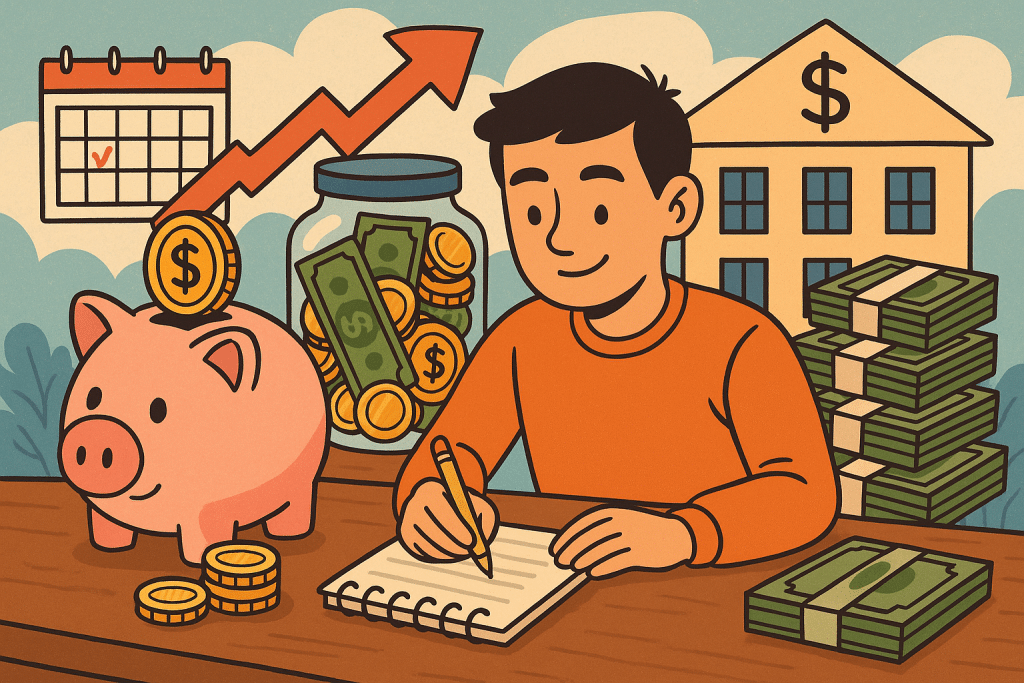
Financial habits that build long-term stability are no longer just about budgeting—they’re about resilience. In 2025, rising living costs and volatile markets make it critical to adopt financial practices that secure your future.
Why Long-Term Financial Stability Matters Now
The current economic landscape—marked by inflation pressures, high housing costs, and a shift toward gig work—has reshaped how people think about financial planning. Traditional methods like “save 10% of income” are proving insufficient. Instead, new financial habits rooted in digital tools, diversified income streams, and behavioral finance insights are shaping stability for the long haul.
A recent Federal Reserve survey showed that 37% of Americans would struggle to cover a 400 dollars emergency expense, highlighting the fragility of financial security in many households (Board of Governors of the Federal Reserve System 2023). This underlines why modern strategies are essential.
Core Financial Habits That Build Long-Term Stability
1. Automated Saving and Investing
Automation remains one of the most powerful tools in personal finance. By setting up automatic transfers into high-yield savings accounts or investment portfolios, individuals remove the temptation to spend before saving.
- High-Yield Savings Accounts (HYSA): Many online banks now offer rates above 4%, compared to under 1% just two years ago.
- Robo-advisors: Platforms like Betterment and Wealthfront use AI to manage diversified portfolios at low fees.
Research from the Journal of Financial Planning confirms that automated saving increases savings rates significantly compared to manual methods (Madrian and Shea 2001).
2. Diversified Income Streams
Relying on a single income source is riskier than ever. Freelancing, remote side hustles, and passive income investments are providing individuals with stronger financial safety nets.
Examples include:
- Freelance digital work (content creation, software development)
- Rental income from fractional property platforms
- Dividend-paying index funds
A report by McKinsey found that nearly 36% of workers engage in some form of independent work, and those with multiple income sources are more financially resilient (McKinsey Global Institute 2022).
3. Smart Debt Management
Not all debt is bad. In fact, when used wisely, debt can be a tool to grow wealth and open new opportunities. The problem comes when debt isn’t planned for or managed. Unchecked balances and high interest rates can eat into savings, limit financial flexibility, and create unnecessary stress. Smart debt management means being intentional about what you borrow, why you borrow it, and how quickly you pay it back.
Some practical habits include:
Creating an emergency buffer. Having an emergency fund means you don’t have to rely on high-interest debt when life throws curveballs, such as medical bills or car repairs.ome ratios.
Refinancing high-interest loans. Replacing costly loans with lower-interest options can reduce monthly payments and free up cash for savings or investments. For example, refinancing a 25% APR loan down to 12% can save hundreds over time.
Prioritizing repayment of credit card balances. Credit cards often carry the steepest rates. Paying these off first helps stop the snowball effect of compounding interest.
Using debt for appreciating assets. A mortgage or business loan that builds long-term value is more productive than taking on debt for items that lose value quickly, like gadgets or cars.
Maintaining a healthy debt-to-income ratio. Financial advisors often recommend keeping total debt payments below 30–35% of your monthly income. Apps and tools like credit monitoring platforms can help track this in real time.
Building repayment into your budget. Treat loan payments like fixed bills, not afterthoughts. This creates discipline and avoids missed deadlines.
4.Embracing Behavioral Finance
Many financial struggles don’t come from a lack of income but from how people think and act around money. This is where behavioral finance comes in. It explores the quirks of human psychology—biases, habits, and emotions—that often get in the way of rational decisions. Instead of assuming everyone is a perfectly logical saver and investor, it accepts that we’re wired for shortcuts, impulses, and sometimes poor judgment.
The good news? Small “nudges” can help steer those natural tendencies toward smarter outcomes. A few practical examples include:
- Paying yourself first. Automatically moving money into savings or investments before you spend forces you to prioritize long-term goals.
- Building friction against impulse buys. Simple tricks like waiting 24 hours before making a big purchase, or keeping your credit card out of arm’s reach, help cool off emotional spending.
- Using mental accounting. Separating funds into different “buckets” (emergency savings, rent, vacation, investments) can prevent overspending and create a sense of progress toward specific goals.
These nudges may sound small, but research shows they dramatically increase financial stability over time. For example, someone who sets up automatic transfers to savings is far more likely to build an emergency fund than someone who just “intends” to save.
Technology is catching on too. Many fintech apps now weave behavioral finance principles into their designs. Some apps gamify saving by letting you “level up” as you hit milestones, while others round up spare change from everyday purchases and invest it. The result is that good habits feel easier—and sometimes even fun—to stick with.
5. Building Emergency and Opportunity Funds
Financial experts often advise keeping 3–6 months of expenses in an emergency fund. But in 2025, people are also creating “opportunity funds”—reserves meant to seize chances like investing in new technology stocks or funding a side business.
According to Fidelity, investors who maintained liquidity during market downturns were more likely to benefit from post-crisis growth (Fidelity Investments 2023).
6. Integrating Sustainability Into Finances
An emerging trend is aligning financial stability with sustainability. From ESG investing to personal “climate-proof” spending habits (like reducing energy costs through solar adoption), individuals are blending values with long-term resilience.
This habit not only builds stability but also ensures alignment with broader global shifts toward responsible finance.
The Role of Technology in Financial Habits
Fintech is making these habits easier than ever. Apps for budgeting (like YNAB or Mint), micro-investing (Acorns, Stash), and credit monitoring are now mainstream. AI-driven insights allow individuals to track cash flow, predict spending, and optimize investments.
The democratization of financial planning through tech tools is helping younger generations bypass the traditional gatekeeping of financial advisors, making financial literacy and stability more accessible.
Key Takeaway: Habits Over Hacks
Financial habits that build long-term stability are less about “get-rich-quick” tactics and more about consistency, adaptability, and smart use of technology. In 2025, those who automate savings, diversify income, and understand behavioral finance are building a foundation strong enough to withstand economic turbulence.
References
- Federal Reserve Board. (2023) Economic Well-Being of U.S. Households in 2022 – May 2023. Available at: https://www.federalreserve.gov/publications/ (Accessed: 22 September 2025).
- Fidelity Investments. (2022) 2022 State of Retirement Planning Study. Available at: https://www.fidelity.com/bin-public/060_www_fidelity_com (Accessed: 22 September 2025).
- Consumer Financial Protection Bureau. (2021) Building Blocks for Financial Capability: A Framework for Youth and Adults. Available at: https://www.consumerfinance.gov (Accessed: 22 September 2025).

 Travel Experiences That Inspire Personal Growth