Save Water and Boost Growth with Smart Home Drip Irrigation
Giulia Bianchi November 19, 2025
Curious about how to keep your garden thriving while saving water at home? This informative guide explores the principles, installation, and benefits of smart drip irrigation, revealing how simple changes can elevate outdoor spaces—no matter your gardening experience.
Understanding Drip Irrigation and Its Growing Popularity
Drip irrigation has become a popular solution for home gardeners eager to nurture plants efficiently. Unlike traditional sprinklers, drip irrigation uses perforated hoses or emitters to deliver water directly to the plant’s base. This targeted strategy minimizes evaporation and runoff, allowing roots to soak up moisture where it’s needed most. The result? Greener lawns, healthier flowers, and much lower water bills. Those who switch often report changes in the vitality of their landscapes.
Interest in water-saving gardening methods has surged in recent years, driven partly by climate concerns and rising utility costs. Smart drip irrigation supports sustainability by reducing overall consumption. The controlled application is especially valuable in regions prone to drought or water restrictions. Many municipalities encourage or incentivize homeowners to adopt this approach. At the heart of this shift lies the promise of precise moisture delivery, keeping landscapes lush without excess.
Why is this system catching on? It blends convenience with environmental awareness. Installations range from DIY kits to professionally designed layouts that integrate timers and soil sensors. Many users appreciate the flexibility: even small patios or rooftop gardens benefit from micro-drip solutions. All it takes is a bit of planning and understanding how each component works. Once set up, ongoing maintenance is minimal, and homeowners can adjust their schedule for seasons or changing plant needs.
Key Components of a Home Drip Irrigation System
A typical drip irrigation system includes tubing, emitters, filters, and sometimes pressure regulators. Polyethylene tubing acts as the water’s main channel, connecting to emitters that release steady, measured droplets. These emitters vary in size and flow to suit vegetables, flowers, or shrubs. Filtration keeps mineral deposits and debris from clogging delicate openings, ensuring uninterrupted operation. Adding a pressure regulator prevents damage to tubing or unwelcome jets of water that would defeat the purpose of slow watering.
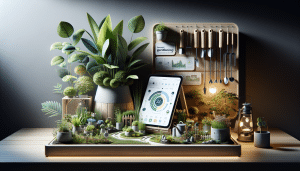
Smart home drip irrigation systems often include programmable timers. These allow garden watering at the ideal time—often early morning or evening—promoting absorption while limiting evaporation. Wireless soil moisture sensors can also integrate into modern setups, automatically adjusting output when weather shifts. The design is surprisingly modular. Systems expand easily as gardens grow or property owners experiment with container arrangements. Knowing how to match component types with plant needs unlocks savings and healthy growth.
Some gardeners add fertilizer injectors for precise nutrition as water trickles to roots. These features support vegetables and fruiting plants, maximizing harvests. When troubleshooting, check filters and inspect emitters for blockages. Replacing segments is inexpensive, and minor repairs keep systems operating efficiently for years. This low-maintenance approach makes automated drip irrigation a practical upgrade, whether a gardener is nurturing tomatoes or maintaining decorative beds.
Advantages of Drip Irrigation for Home Gardens
One significant benefit of using drip irrigation at home is water conservation. By focusing water only where it is necessary, homeowners often cut their usage by up to 50% compared to sprinklers (Source: EPA WaterSense). This substantial reduction not only guards against waste but helps communities dealing with tightening restrictions or summer droughts. Over time, the savings on water bills can cover the initial installation costs—making the system financially appealing.
In addition to savings, drip irrigation improves plant health. Delivering water directly to root zones discourages leaf diseases that thrive in wet foliage. Gardeners notice healthier stems, increased flower production, and bigger produce. Weed growth also declines as the soil between rows remains dry, reducing competition and lessening the need for labor-intensive pulling. Bright green lawns and abundant yields stand as daily proof of the system’s efficiency.
Convenience is another draw. Modern smart systems can be scheduled or controlled remotely via mobile apps, freeing users from daily hose chores. Away on vacation? No stress. The routine runs as planned, ensuring plants remain hydrated in your absence. With thoughtful design, even challenging areas—slopes, narrow beds, or vertical planters—receive steady care. This adaptability boosts gardening enjoyment and invites experimentation with new ideas or crops.
Planning and Installing Drip Irrigation at Home
Designing a drip irrigation layout is an enjoyable, creative process. Start by mapping garden beds, walkways, and existing water sources. Take accurate measurements and note the arrangement of perennials, shrubs, or seasonal vegetables. Divide the space into zones if different areas have contrasting moisture needs. This initial planning helps select appropriate emitters, filters, and tubing diameters. Sketching out possible layouts before purchasing materials avoids surprises during installation.
Installation can be as simple or complex as desired. For basic kits, assembly typically involves connecting tubing to an outdoor spigot and spacing emitters around the root zones. Secure hoses with pegs, and use T-joints or elbows at turns. More advanced installations might include digital controllers or in-ground valve boxes for multiple zone regulation. Each step includes checks for leaks and proper flow rates. Many manufacturers provide clear, step-by-step guides online (Source: Cooperative Extension).
Personalization makes drip irrigation systems worthwhile. Pet owners can position lines away from play zones, and raised beds become easy to irrigate. Urban dwellers with rooftop or patio gardens benefit from micro-drip lines fitted to balcony containers. Regular seasonal checks help systems perform their best—flush lines annually and replace worn parts as needed. Because parts are modular, expanding or updating the network is straightforward as garden designs evolve.
Integrating Smart Technology in Modern Drip Irrigation
Today’s smart irrigation controllers represent a leap forward for home gardens. Many systems offer Wi-Fi connections, enabling remote adjustments and integration with weather forecasts. This technology determines when to water, and how much, without over- or under-watering. Some models monitor local forecasts and automatically skip watering cycles during rain, optimizing both efficiency and sustainability. Homeowners gain peace of mind and add convenience to daily gardening routines.
Soil moisture sensors are increasingly common in smart home setups. These sensors measure real-time water levels beneath the surface, prompting systems to supply only what’s necessary. By using data rather than guesswork, gardeners create nurturing environments for diverse plant types—succulent, herb, or vegetable. The technology saves money, supports drought-resistant landscaping, and simplifies the care of large or complex layouts. Ease of adjustment encourages experimentation without the risk of plant stress.
Mobile apps paired with smart controllers allow adjustments, scheduling, and troubleshooting from anywhere. Notifications flag clogs, leaks, or malfunctions, solving problems before they become costly. Enthusiasts often share their favorite automation routines online, sparking fresh ideas and community support. This blend of tradition and innovation is making water-wise gardening accessible to everyone—from beginners to lifelong enthusiasts—no matter their space or climate.
Overcoming Common Drip Irrigation Challenges
Like any garden system, drip irrigation can face occasional hassles. Clogging ranks among the most common problems, especially where water contains sediment. Filters and regular flushing help prevent buildup in tubing and emitters. Another issue is managing water pressure—too high and parts may burst, too low and coverage suffers. Using regulators and monitoring flow at installation keeps everything running smoothly.
Seasonal changes may reveal new maintenance tasks. Winterizing protects outdoor valves and lines from freezing, avoiding cracks or leaks once temperatures drop. In spring, a thorough inspection checks for animal damage, root intrusion, or accidental displacement during yard cleanup. Learning to replace emitters or seal small leaks quickly preserves system performance. Many common troubleshooting solutions are available from major university extension resources (Source: University of California Agriculture).
Occasional system expansions or garden redesigns present another challenge—matching flow rates to heavier or lighter planting. Adjustable emitters and valve boxes allow users to re-balance the network as gardens grow. Over time, a little observation and scheduled care keep drip irrigation working efficiently, offering ongoing benefits season after season. Neighbors and friends may even ask about the thriving garden, eager for tips or inspiration.
References
1. U.S. Environmental Protection Agency. (n.d.). WaterSense: Drip Irrigation. Retrieved from https://www.epa.gov/watersense/drip-irrigation
2. University of California Agriculture and Natural Resources. (n.d.). Drip Irrigation for Home Gardens. Retrieved from https://ucanr.edu/sites/CE_Sacramento/files/90247.pdf
3. Cornell Cooperative Extension. (n.d.). Home Garden Drip Irrigation Guide. Retrieved from http://chemung.cce.cornell.edu/resources/drip-irrigation-for-home-gardens
4. Colorado State University Extension. (n.d.). Drip Irrigation for Home Gardens. Retrieved from https://extension.colostate.edu/topic-areas/yard-garden/drip-irrigation-for-home-gardens-4-702/
5. PennState Extension. (n.d.). Home Drip Irrigation. Retrieved from https://extension.psu.edu/drip-irrigation-for-home-gardeners
6. Gardening Know How. (n.d.). How Drip Irrigation Systems Work. Retrieved from https://www.gardeningknowhow.com/edible/vegetables/vgen/drip-irrigation.htm

 Why Social Media News Feeds Shape What You See