Secrets You Never Hear About Slow Travel
Adrian Park October 26, 2025
Dive into slow travel and see how stretching your journey opens up a world of local culture, connection, and personal growth. This article uncovers surprising benefits, practical ideas, and factors to weigh so your next adventure is rich with meaning and mindful choices.
Why Slow Travel Changes Everything
Slow travel is about more than just pacing yourself. It’s a mindset that transforms the way people connect with destinations. Instead of hopping from highlight to highlight, slow travelers immerse in local rhythms, savoring every moment in a place. This approach reveals layers—culture, flavors, and friendships—that often go unseen with rushed itineraries. Slow travel offers a powerful antidote to the stress and overload many people experience during conventional vacations, making space for true relaxation and inspiration (Source: https://www.bbc.com/travel/article/20210407-the-case-for-slow-travel).
Choosing slow travel means deliberately staying longer in locations. Travelers find cozy accommodations, explore hidden neighborhoods, and engage with daily life. Over days or weeks, the ordinary becomes extraordinary. Whether learning to cook a regional dish, browsing the local market, or simply enjoying a morning in a café, slow travel helps travelers observe small acts of daily beauty. These authentic experiences often offer more joy than traditional tourist attractions. There’s a surprising sense of belonging that can develop, even in foreign places, when time allows for real exploration and connection.
Another little-known benefit of slow travel is its environmental impact. By moving less and employing trains or shared transport instead of frequent flights, slow travelers can reduce their carbon footprint significantly. Reducing the rush also means fewer resources spent on transportation, packaging, and disposable travel products. This mindfulness about movement contributes to a more sustainable travel culture, balancing the desire for adventure with personal responsibility. Such a shift empowers conscious travel while still enjoying freedom and discovery (Source: https://www.nationalgeographic.com/travel/article/slow-travel).
How Slow Travel Deepens Local Connections
Deeper connections are at the heart of slow travel. When people settle into a destination for a longer period, locals often respond with trust and openness. These friendships can turn a simple trip into a transformative chapter. Cafés remember regulars. Market vendors teach phrases in the native language or share family recipes. These moments create memories that last longer than a snapshot at a landmark. Even remote workers, who set up shop for weeks in a village or city, often report genuine gratitude for relationships formed during their extended stay (Source: https://www.lonelyplanet.com/articles/slow-travel).
Language learning is another byproduct of slow travel. Exposure and repetition make picking up new words almost effortless. Whether joining a volunteer group, participating in a local class, or simply chatting with neighbors, travelers gain fresh perspectives. The curiosity to understand dialect and slang leads to playful exchanges. Locals usually appreciate the effort, regardless of proficiency, and this mutual exchange breaks down barriers. For many, the friendships sparked while living at a slower pace become the most rewarding souvenirs.
Beyond language and friendship, slow travelers organically support the local economy. Spending on groceries, artisanal goods, and services keeps funds circulating within the community instead of flowing to international hotel chains. Local tour guides, craftspersons, and family-run eateries benefit directly from this mindful spending. Over time, ethical decisions about where money goes help preserve cultural traditions, support local jobs, and create positive long-term impact. In this way, slow travel isn’t just about the traveler—it’s about building a healthier exchange between visitors and hosts (Source: https://www.afar.com/magazine/what-is-slow-travel).
Balancing Budget and Comfort on an Extended Stay
Many believe that longer trips cost more, but slow travel often surprises with affordability. Extended stays can unlock discounts on accommodation rental and transportation passes. Opting for apartment rentals, house-sitting, or long-term hostel options means travelers save compared to nightly rates at hotels. Cooking meals and participating in community events typically reduce daily spending. Savvy slow travelers compare cost-of-living guides and explore local websites to estimate expenses in advance, making informed choices that align with their budget (Source: https://www.nomadicmatt.com/travel-blogs/slow-travel/).
There are also strategies for finding comfort without sacrificing cost. Mid-range accommodations off the main tourist trail offer both coziness and value. Participating in group activities—like guided walks or volunteer events—can reveal unexpected, budget-friendly opportunities. Many cities worldwide now support digital nomads and slow travelers by offering co-living spaces or short-term apartment deals. Flexible planning, such as visiting during off-peak seasons or enrolling in language courses packaged with lodging, can stretch a travel budget far beyond expectations. Sometimes comfort is as simple as adapting to local habits and finding contentment with less.
Slow travel integrates budgeting into a lifestyle, not just a spreadsheet. Prioritizing meaningful experiences over souvenir shopping or luxury services can help keep expenses down. Weekly farmer’s markets, public parks, and public transport blend comfort with affordability. Travelers can find group-based discounts for classes, tours, or public transit. By aligning expectations with local life rather than focusing on a tourist wishlist, the slow traveler experiences deeper satisfaction—and often, substantial savings as a result.
Top Destinations Where Slow Travel Thrives
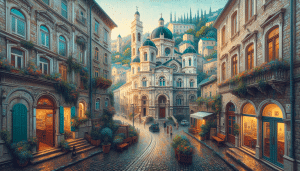
Certain destinations are perfect for slow travel thanks to infrastructure, welcoming locals, and an easy pace. Popular choices include smaller European towns, Southeast Asia’s islands, and Latin American villages. The Italian countryside, for example, invites visitors to savor regional wines and explore local villages at leisure. Vietnam’s coastal cities provide countless markets, cafés, and workshops to explore over weeks rather than days. These places offer warmth and safety, making them ideal for solo adventurers, couples, or families seeking extended immersion (Source: https://www.theguardian.com/travel/article/2021/feb/12/slow-travel-destinations-europe-sustainability).
Natural wonders can also set the stage for memorable slow travel. Mountains, lakes, and coastal regions reveal their magic at sunrise, dusk, and through changing weather. Extended stays in places like the Scottish Highlands or Patagonia provide endless hiking, wildlife watching, and opportunities to pause for reflection. Parks and conservation areas often include community guesthouses or eco-lodges that cater to environmentally-minded slow travelers. Time spent watching clouds drift or chatting by a fire can become the highlight, rather than the sum of checklist tourism.
Urban slow travel, meanwhile, is rising in cities with walkable neighborhoods, abundant green spaces, and vibrant cultural programs. Cities like Kyoto, Lisbon, or Buenos Aires encourage visitors to join local workshops, take dance or cooking classes, and get involved with community gardens. These environments balance comfort, convenience, and an abundance of learning opportunities, making it easier for residents and guests alike to pause, reflect, and enjoy meaningful, sustainable travel.
Mindful Planning and Overcoming Common Challenges
Successful slow travel starts with mindful planning. Travelers research visa rules, accommodation options, and health considerations before booking. It’s important to plan for flexibility—unexpected changes, weather shifts, or festival schedules. Thorough research into internet access, affordable transportation, and healthcare nearby ensures peace of mind. Packing is also different for slow travelers; multi-purpose clothing and practical gear lighten the load and support longer explorations. Planning ahead, yet staying open to change, is key to maximizing the benefits of slow journeys (Source: https://www.ricksteves.com/travel-tips/transportation/slow-travel).
Common frustrations like language barriers, homesickness, or unexpected expenses can arise. To overcome these, slow travelers adopt adaptable mindsets. Learning a few key phrases, reaching out for social support, or taking a short break to recalibrate can make challenges manageable. Engaging with international communities online or at local meetups brings camaraderie. Often, adversity becomes the foundation for memorable stories and personal growth. Flexibility is less about avoiding obstacles and more about learning from them as they come.
Practicing mindfulness is essential for slow travel. Slowing down helps travelers process new experiences and prevents burnout. Embracing local customs—such as siestas or evening strolls—fosters deeper appreciation of place. Keeping a journal or photo diary can help savor each stage of the journey. Overcoming common slow travel challenges isn’t about eliminating discomfort, but about developing resilience and the ability to extract value from every new encounter and surprise along the way.
Transformative Benefits of Embracing Slow Journeys
Slow travel naturally encourages personal growth. Taking time in new places cultivates patience, resilience, and self-reliance. Each encounter, from mastering local transit to helping at a community project, brings growth and confidence. Slow travel reminds travelers that the journey is as important as the destination. Often, people find their priorities change—they discover new aspects of themselves, become more open-minded, and learn to value simplicity over novelty.
Environmental awareness grows, too. People tend to make conscious choices and reduce waste after spending time observing local patterns of resource use. For many, these habits persist long after returning home. They recycle more, use public transportation, and support regional businesses. Smarter travel not only reduces strain on the planet but leads to a lasting sense of stewardship—and satisfaction—from doing things differently.
In the end, slow travel offers well-being beyond just relaxation. Many travelers report deeper life satisfaction, emotional well-being, and reduced stress when traveling this way. The adventure continues long after the journey, manifesting as stronger relationships, sustainable habits, and a renewed sense of possibility. The slow traveler’s path may take more time, but it leaves a more meaningful mark—and memories that last a lifetime.
References
1. BBC. (2021). The case for slow travel. Retrieved from https://www.bbc.com/travel/article/20210407-the-case-for-slow-travel
2. National Geographic. (n.d.). How slower travel can help the planet. Retrieved from https://www.nationalgeographic.com/travel/article/slow-travel
3. Lonely Planet. (2021). Why slow travel is the best way to see the world. Retrieved from https://www.lonelyplanet.com/articles/slow-travel
4. AFAR. (n.d.). What is slow travel? Retrieved from https://www.afar.com/magazine/what-is-slow-travel
5. The Guardian. (2021). 10 of the best slow travel destinations in Europe. Retrieved from https://www.theguardian.com/travel/article/2021/feb/12/slow-travel-destinations-europe-sustainability
6. Rick Steves. (n.d.). Transportation tips: Slow travel. Retrieved from https://www.ricksteves.com/travel-tips/transportation/slow-travel

 Secret Perks Airlines Don’t Tell You