Secrets You Never Knew About Minimalist Living
Lucia Fernandez September 26, 2025
Curious about how minimalist living transforms ordinary spaces into calm sanctuaries? This guide unpacks practical tips, common myths, design tricks, and lifestyle shifts that help you cut clutter and boost well-being, all while making your home an inviting, mindful space.
What Does Minimalist Living Really Mean?
Minimalist living isn’t just about having fewer belongings. It’s a mindful approach to life that focuses on simplicity, intentionality, and clarity in surroundings and routines. Many are drawn to the appeal of decluttering their homes and minds, uncovering comfort in open space, natural light, and thoughtfully arranged essentials. The philosophy behind this lifestyle encourages choosing quality over quantity and appreciating what you have. For some, this means a small number of carefully selected possessions. For others, it’s finding freedom from the obligation to constantly accumulate or upgrade.
There’s a misconception that minimalist living demands stark white rooms or bare walls. Realistically, minimalist interiors come in diverse forms, tailored to personal preferences and needs. Whether it’s pairing soothing color palettes with functional furniture or incorporating multi-purpose pieces, versatility and tranquility are prioritized. Studies indicate that living in visually calm environments supports mental clarity and reduces anxiety, helping residents feel more at ease in their spaces (Source: https://www.health.harvard.edu/mind-and-mood/declutter-your-mind-declutter-your-life).
Minimalist living also stretches beyond the home. Many people adopt minimalist principles in their social lives, digital spaces, and daily schedules. The idea is to say yes only to relationships, tasks, and routines that bring satisfaction or genuine purpose. Even your wardrobe can reflect this mindset by focusing on essential, versatile pieces that work across occasions. Ultimately, it’s about aligning physical surroundings with mental and emotional well-being, creating space for what truly matters.
Why Simplicity Attracts: The Psychology of Less
Why is less sometimes more? There’s scientific backing for the idea that simplified spaces can actually make people feel safer and happier. Visual clutter competes for attention and disrupts focus, while streamlined environments foster calmness and creativity. Harvard research links tidy, organized spaces with improved concentration and mood (Source: https://www.health.harvard.edu/mind-and-mood/declutter-your-mind-declutter-your-life). Minimalism, then, becomes a wellness practice as much as a design trend.
Choosing what to keep can be surprisingly liberating. Engaging in routine decluttering lets individuals reconnect with what’s important. Psychologists say keeping only meaningful, useful, or beautiful possessions can increase gratitude and foster a more intentional relationship with material objects. The result? Deeper satisfaction and less constant craving for new things. It’s a cycle that naturally reduces stress and supports more mindful consumption (Source: https://www.apa.org/topics/socioeconomic-status/debt-stress).
Simplicity isn’t about deprivation. It’s about freeing up time and energy for family, hobbies, or relaxation. As daily life grows busier and digital distractions multiply, many discover that reducing material and mental clutter restores balance. Those moving toward minimalism often report greater peace and an improved sense of control in their lives. This benefit directly influences emotional well-being and relationships, making simplicity a powerful lifestyle choice.
Design Ideas for a Minimalist Home
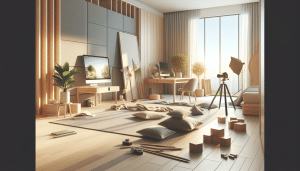
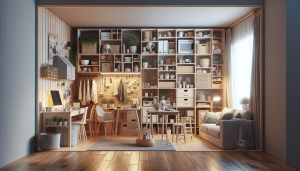
Turning minimalist ideas into a real home requires thoughtful planning. Start by embracing essentialism: keep what adds value, release what doesn’t. Furniture with clean lines, neutral tones, and hidden storage works well in any space, from studios to spacious houses. Floating shelves, hidden cabinets, and dual-purpose seating make rooms feel open and organized, letting in more natural light. Open floor space and clear tabletops are key features of effective minimalist design.
Some find joy in integrating natural materials such as wood and stone, or using a limited color palette for harmony. Plants offer a touch of life without overwhelming the senses. When selecting décor, consider items both beautiful and functional—a vase that doubles as a pitcher, elegant lighting with dimmer switches, or a bench that hides extra storage. The aim is to create a soothing, intentional atmosphere that never feels bare or incomplete.
Minimalist design isn’t a one-size-fits-all formula. Families may need more flexible storage solutions, while city dwellers look for multipurpose rooms. An organized entryway, minimalist kitchen, and tidy bedroom help maintain order and flow. Wallpaper, art, or statement pieces are still welcome; the trick is moderation. A few well-chosen accents stand out more, amplifying personality instead of masking it behind clutter (Source: https://www.architecturaldigest.com/story/minimalist-home-design-tips).
Minimalism for Families and Shared Spaces
How does minimalist living fit with multiple people—or children? Many worry that going minimalist is only possible for singles or couples. In reality, families can thrive in simplified environments. Shared spaces work best when households collaborate on what stays and what goes, keeping sentimental or high-use items while letting go of unused duplicates. Involving children in the process fosters responsibility, while teaching them to value what they own and use daily.
Minimalism is flexible. Some families adopt capsule wardrobes, streamlined toy collections, and organized homework stations to reduce overwhelm. Meal plans, regular donation days, and shared digital calendars help manage routines. Creative storage—like under-bed bins or hanging racks—makes shared bedrooms and living areas more spacious. This approach empowers everyone to participate and benefit from less chaos.
Minimalist principles can underpin family rituals, from decluttering weekends to focused game nights. Even holidays or birthdays can shift toward experiences instead of material gifts. The goal isn’t restriction, but enrichment. When everyone is on board, clutter is easier to control—and the home feels open, welcoming, and calm (Source: https://www.goodhousekeeping.com/home/organizing/a19746825/family-minimalism/).
How Technology Can Support Minimalist Living
Digital distraction is everywhere. But technology can also help support a minimalist lifestyle. Phone apps, cloud storage, and digital planners replace stacks of paper, overflowing calendars, and messy notes. A digital-first approach complements minimalist routines—think e-books, digital music collections, and online recipe boxes that eliminate physical clutter. Going paperless saves not only space but also time spent searching for lost documents.
Smart home devices contribute by automating lights, managing schedules, or monitoring inventories. Voice commands and smart hubs combine several uses in one device, reducing the number of gadgets around the house. With fewer cords and chargers required, surfaces stay tidy and accessible. Digital photo frames gather memories in a single spot, eliminating drawerfuls of prints. Embracing technology helps streamline routines, letting minimalism flourish.
Digital minimalism has its own set of challenges—like managing notification overload or keeping email inboxes under control. Applying minimalist principles here means deleting unused apps, organizing files, and setting screen-time boundaries. By intentionally curating digital spaces, homes and minds feel lighter and more focused (Source: https://www.nytimes.com/guides/smarterliving/digital-minimalism-tips).
Common Myths and Surprising Benefits
One myth about minimalist living is that it’s restrictive or boring. In truth, most minimalists say their chosen lifestyle allows for more freedom and creativity. Rather than focus on lacking, they experience more through meaningful connections, new hobbies, and mindful routines. Simplicity leads to fewer decisions about possessions and more energy to devote to passions and relationships (Source: https://www.psychologytoday.com/us/blog/urban-survival/201912/the-many-benefits-minimalism).
Minimalist living doesn’t require extreme downsizing or moving into tiny homes—though some choose that path. It’s entirely possible to nurture a minimalist spirit while keeping sentimental keepsakes, vibrant décor, or functional collections. The benefit is intentionality: knowing why you choose what you keep, and letting go when things no longer fit your values or space. Flexibility is a hallmark of successful minimalists.
Beyond tidy rooms, minimalist living brings quieter mornings, an easier time cleaning, and more time for self-care. Many report cost savings on shopping, less stress navigating full rooms or closets, and a growing sense of gratitude for the things that truly support a fulfilling life. Minimalism, then, becomes not just an aesthetic—but a dynamic, rewarding journey with benefits at every level.
References
1. Harvard Health Publishing. (n.d.). Declutter your mind, declutter your life. Retrieved from https://www.health.harvard.edu/mind-and-mood/declutter-your-mind-declutter-your-life
2. American Psychological Association. (n.d.). Debt, stress, and mental health. Retrieved from https://www.apa.org/topics/socioeconomic-status/debt-stress
3. Architectural Digest. (n.d.). Clean and simple: Designing a minimalist home. Retrieved from https://www.architecturaldigest.com/story/minimalist-home-design-tips
4. Good Housekeeping. (n.d.). Minimalism for families: How to get started. Retrieved from https://www.goodhousekeeping.com/home/organizing/a19746825/family-minimalism/
5. The New York Times. (n.d.). Digital minimalism tips to declutter your online life. Retrieved from https://www.nytimes.com/guides/smarterliving/digital-minimalism-tips
6. Psychology Today. (n.d.). The many benefits of minimalism. Retrieved from https://www.psychologytoday.com/us/blog/urban-survival/201912/the-many-benefits-minimalism

 Hidden Gut Health Secrets You May Never Have Considered