Travel Experiences That Inspire Creativity and Reflection
Adrian Park September 25, 2025
In a fast-paced world, more travelers are embracing slow travel retreats to inspire creativity and reflection. These experiences go beyond sightseeing, offering space to reconnect with yourself while exploring new cultures and landscapes.
The Rise of Slow Travel: More Than Just a Trend
The idea of slow travel is not new, but its popularity has soared in recent years as people seek meaningful escapes. Unlike traditional vacations that rush from landmark to landmark, slow travel emphasizes presence, cultural immersion, and personal growth.
A 2023 survey by Booking.com revealed that 44% of global travelers now prioritize “mindful trips” focused on well-being and creativity rather than crowded itineraries (Booking.com 2023). This shift highlights how travelers want their journeys to leave a lasting personal impact, not just photos for social media.
Why Slow Travel Fuels Creativity
Creative blocks often arise from overstimulation and routine. Slow travel interrupts these patterns. By spending more time in one place, travelers have the opportunity to observe details, connect deeply, and allow inspiration to flow naturally.
- Nature immersion: Extended time in natural settings reduces stress and stimulates creativity. Research published in Frontiers in Psychology found that spending just four days in nature without digital distractions increased creativity scores by 50% (Atchley, Strayer and Atchley 2012).
- Cultural engagement: Attending local art workshops, cooking with residents, or learning traditional crafts provides direct creative influence.
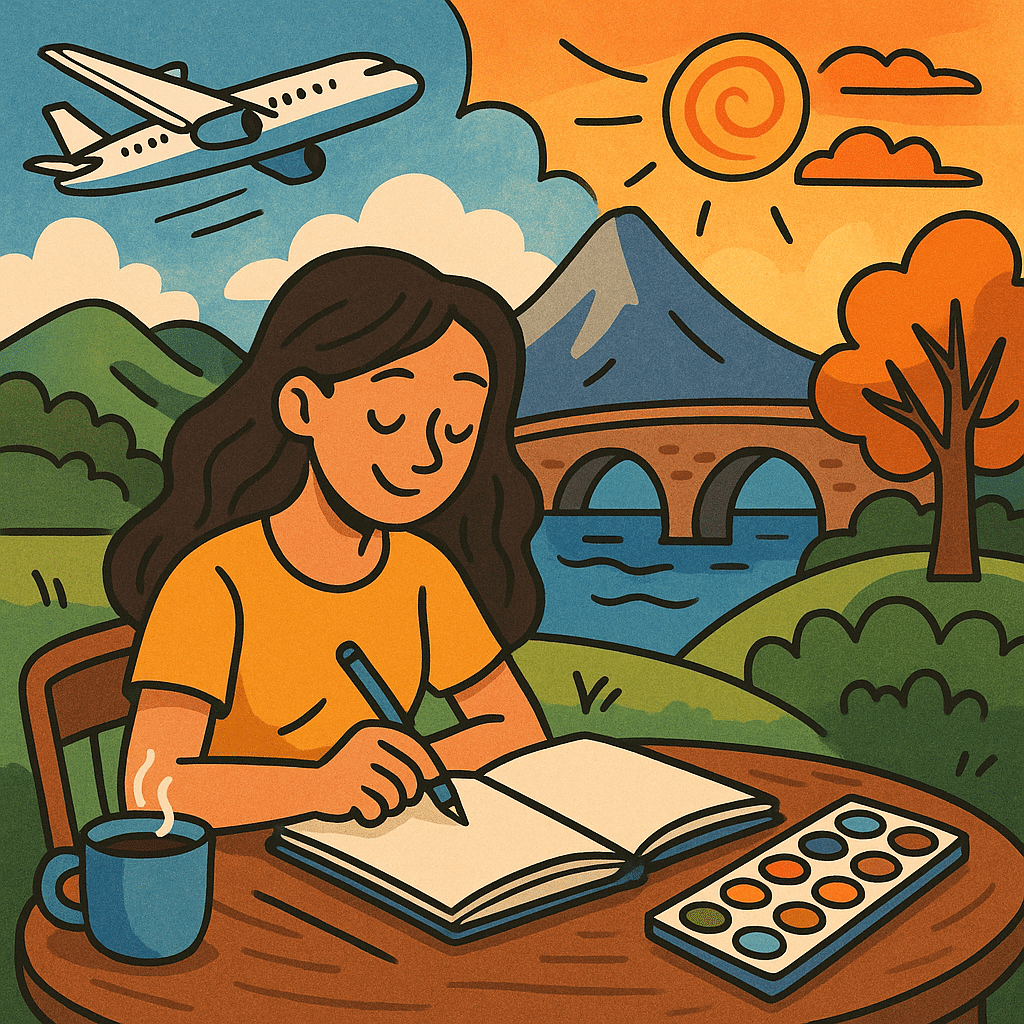
- Time for reflection: Journaling, sketching, or meditating during unhurried travel moments allows travelers to process experiences and spark new ideas.
Destinations Leading the Slow Travel Movement
1. Tuscany, Italy – The Art of Stillness
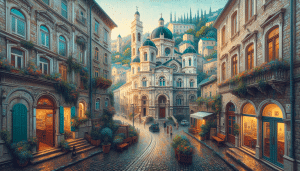
In Tuscany’s rolling hills, travelers can stay in farmhouses, attend wine harvests, or paint in olive groves. The region encourages reflection through art and gastronomy. Many creative residencies are hosted here, giving writers and artists extended stays to work without distraction.
2. Kyoto, Japan – Rituals of Mindfulness
Kyoto blends tradition with tranquility. Visitors can join tea ceremonies, practice Zen meditation in ancient temples, or sketch the seasonal gardens. The city embodies the Japanese concept of ma—a pause or empty space that fosters creativity.
3. The Azores, Portugal – Nature as a Teacher
This volcanic archipelago in the Atlantic is increasingly popular among slow travelers. With whale watching, geothermal springs, and quiet coastal towns, the Azores offer solitude and inspiration for eco-conscious travelers seeking reflection.
How to Practice Slow Travel Yourself
If you want your next journey to fuel creativity, here are practical ways to embrace slow travel:
Stay Longer in Fewer Places
Spend a week or more in one location instead of hopping between many. This gives you time to notice local routines, connect with people, and avoid the fatigue of constant travel.
Prioritize Experiences Over Checklists
Swap rushed sightseeing for immersive activities. Try a pottery class in Morocco, a cooking workshop in Vietnam, or spend a day volunteering with a local project.
Integrate Creative Practices
Carry a journal, sketchbook, or recorder. Capture daily impressions, quick drawings, or soundscapes. These small habits enrich your memory and inspire future projects.
Disconnect from Digital Overload
Limit screen time to essentials. Research shows reduced phone use while traveling improves creativity (Karr et al., 2020). Instead of endless photos, give yourself space to observe and absorb.
Sync With Local Rhythms
Adopt the pace of the place—take siestas, shop at neighborhood markets, or walk more. These slower habits deepen immersion and spark fresh ideas.
Wellness and Reflection: The New Currency of Travel
Beyond creativity, slow travel retreats are increasingly tied to wellness. Retreat operators now combine travel with yoga, meditation, and creative workshops. According to the Global Wellness Institute, the wellness tourism market is projected to grow to 1.3 trillion dollars by 2025, with reflective travel experiences being a major driver (Global Wellness Institute 2022).
This trend reflects a cultural shift: people want travel that not only entertains but also transforms.
Stories from Travelers Who Found Inspiration
- The Novelist in Bali: An aspiring author from London spent three months in Ubud, balancing yoga sessions with daily writing. She later published her debut novel, crediting the calm routine for unlocking her creativity.
- The Entrepreneur in Iceland: A tech founder joined a nature retreat in Iceland, where journaling by geothermal springs helped him redesign his company’s strategy.
- The Teacher in Mexico: After attending an art residency in Oaxaca, a teacher returned home with new skills in mural painting, enriching her classroom and community.
These stories highlight how slow travel retreats provide fertile ground for both personal and professional breakthroughs.
The Future of Reflective Travel Experiences
Looking ahead, travel experts predict that purpose-driven journeys will continue to expand, blending personal growth with global awareness. These experiences aren’t just about where you go but how you engage with the world while you’re there. Expect to see:
- Eco-retreats that balance sustainability with creativity. Future travelers will look for places that go beyond “greenwashing.” Imagine retreats powered by renewable energy, serving locally sourced food, and offering workshops in nature-inspired art or storytelling. These spaces will encourage travelers to slow down, reconnect with the environment, and leave a lighter footprint.
- Digital detox packages for burned-out professionals. With remote work and constant connectivity blurring the lines between office and home, travel is increasingly becoming a reset button. Resorts and wellness centers are already designing programs where phones are surrendered on arrival, replaced with guided meditation, forest bathing, and journaling. This trend is less about “escaping” and more about reclaiming focus and clarity.
- Cross-cultural residencies where locals and travelers co-create. Beyond sightseeing, the future points toward collaboration. Picture a small village in Morocco where visitors join artisans to weave rugs, or a coastal town in Portugal where travelers and locals create a mural that tells the community’s story. These residencies don’t just provide a travel memory—they create lasting cultural bridges.
At the heart of these shifts is the blending of creativity, reflection, and wellness. This positions slow travel as more than just a passing trend. It’s becoming a movement that redefines the industry, encouraging people to travel with intention, connect more deeply, and return home not just refreshed but transformed.
Final Thoughts
Travel has always been transformative, but slow travel retreats elevate the journey into a tool for creativity and self-reflection. Whether through meditating in Kyoto, painting in Tuscany, or journaling by Icelandic hot springs, these experiences provide travelers with more than memories—they offer personal renewal.
If your next trip aims to spark inspiration, consider slowing down. Sometimes, creativity requires not doing more, but doing less with greater presence.
References
- Richards, G. (2022) Creativity and tourism: Exploring new relationships. Available at: https://www.tandfonline.com/4 (Accessed: 24 September 2025).
- Smith, M.K. (2021) Tourism, culture and regeneration. Available at: https://www.taylorfrancis.com/ (Accessed: 24 September 2025).
- UNESCO (2023) How culture and creativity drive sustainable development. Available at: https://www.unesco.org/t (Accessed: 24 September 2025).

 Wellness Routines That Enhance Daily Energy