Smart Home Technology That Enhances Comfort
Marcus Liu September 22, 2025
Modern homeowners increasingly seek convenience, efficiency, and comfort in their living spaces. Smart home technology that enhances comfort combines automation, connectivity, and intelligent systems to make homes more adaptive to residents’ needs. These technologies simplify daily routines, improve energy efficiency, and provide personalized experiences that elevate the quality of life.
This article explores practical smart home solutions that enhance comfort, from automated lighting and climate control to security systems, entertainment integration, and energy management. Implementing these technologies allows homeowners to enjoy a seamless, convenient, and enjoyable living environment.
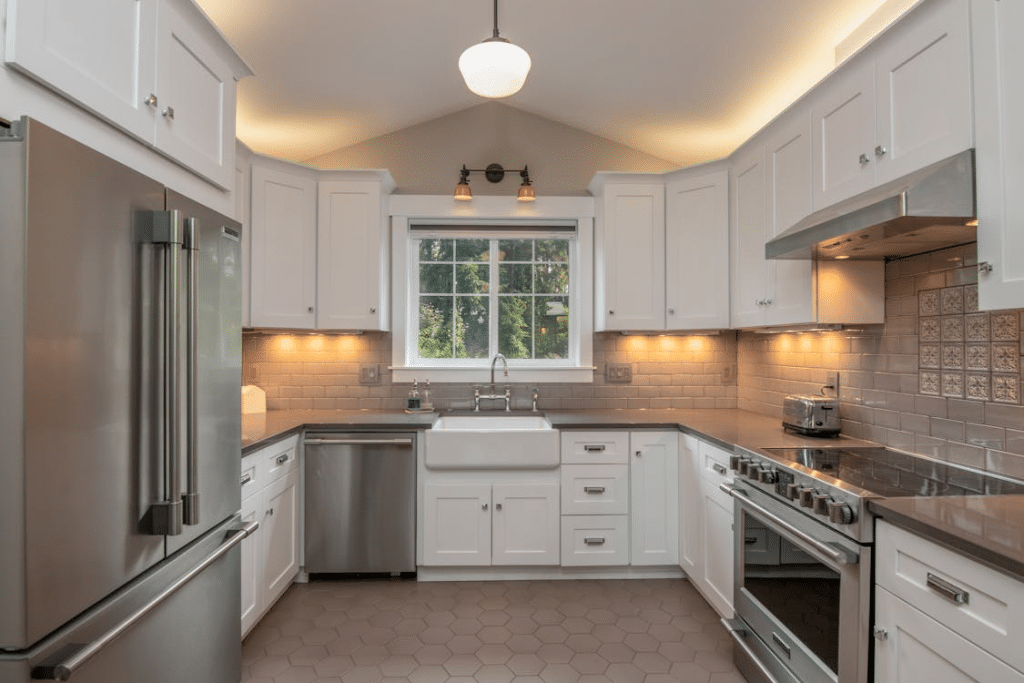
1. Automated Lighting Systems
Smart lighting improves both comfort and energy efficiency.
- Use motion sensors to automatically turn lights on or off based on occupancy.
- Integrate dimmable LED bulbs that adjust brightness for mood and time of day.
- Employ color-changing bulbs to create ambiance and support circadian rhythms.
- Connect lighting to voice assistants or apps for remote control.
Architectural Digest (2023) highlights that automated lighting enhances convenience, reduces energy consumption, and allows homeowners to customize environments for comfort and productivity.
2. Climate Control and Smart Thermostats
Maintaining optimal indoor temperature is key to comfort.
- Install smart thermostats that learn residents’ schedules and adjust temperatures automatically.
- Use zone-based heating and cooling to optimize comfort in different rooms.
- Integrate with humidity and air-quality sensors to maintain a healthy indoor environment.
- Program energy-saving schedules for when the home is unoccupied.
Research from Energy and Buildings (2022) shows that smart thermostats improve comfort while reducing energy usage and utility costs.
3. Voice-Activated Assistants
Voice-controlled smart home devices simplify control of multiple systems.
- Use voice commands to adjust lighting, temperature, music, and appliances.
- Integrate with calendar reminders, shopping lists, and routines for daily convenience.
- Link assistants with home entertainment systems for hands-free control.
According to IEEE Spectrum (2023), voice assistants enhance comfort by allowing homeowners to interact with their homes seamlessly and intuitively.
4. Smart Security Systems
Security technology improves safety and peace of mind, contributing to overall comfort.
- Install smart cameras and motion detectors to monitor indoor and outdoor spaces.
- Use door and window sensors to receive alerts in case of unauthorized entry.
- Implement remote access to control locks and cameras while away from home.
- Integrate alarm systems with mobile apps for real-time notifications and management.
National Institute of Standards and Technology (NIST) (2022) emphasizes that smart security solutions provide both convenience and psychological comfort by ensuring home safety.
5. Intelligent Home Entertainment
Smart home technology can enhance relaxation and entertainment experiences.
- Integrate multi-room audio systems with voice control and mobile apps.
- Use smart TVs, streaming devices, and projectors for personalized viewing.
- Automate lighting and blinds for optimal ambiance during movies or gaming sessions.
Consumer Reports (2023) notes that intelligent entertainment setups improve user experience and comfort, making living spaces more enjoyable and versatile.
6. Automated Shades and Window Treatments
Window automation balances light, privacy, and temperature control.
- Install motorized blinds or curtains that can be scheduled or controlled via app.
- Use light sensors to adjust natural lighting throughout the day.
- Integrate with smart thermostats to reduce heat gain or loss, improving energy efficiency.
Research from Building and Environment (2022) shows that automated window treatments increase indoor comfort, energy savings, and convenience.
7. Smart Kitchen Appliances
Connected kitchen devices simplify meal preparation and enhance comfort.
- Use smart ovens, refrigerators, and coffee makers to automate cooking and beverage preparation.
- Monitor inventory and expiration dates through apps connected to smart refrigerators.
- Preheat ovens or start coffee machines remotely for a seamless morning routine.
Food Technology Today (2023) reports that smart appliances save time, reduce stress, and improve convenience for busy households.
8. Health and Air Quality Monitoring
Maintaining a healthy environment is essential for comfort.
- Install smart air purifiers, humidifiers, and dehumidifiers to optimize air quality.
- Use CO2, pollen, and particulate sensors to monitor indoor air.
- Integrate health-monitoring devices such as smart beds or sleep trackers for improved wellness.
According to Frontiers in Environmental Science (2023), indoor air monitoring and automation contribute to comfort, sleep quality, and overall well-being.
9. Energy Efficiency and Smart Meters
Comfort is enhanced when energy is managed efficiently and transparently.
- Use smart meters and energy monitoring systems to track consumption in real time.
- Program automated schedules for lights, appliances, and HVAC to reduce waste.
- Receive insights and recommendations for improving energy use without sacrificing comfort.
Research from Energy Efficiency Journal (2022) demonstrates that smart energy management improves both financial and environmental comfort, reducing stress and costs.
10. Integrated Smart Home Ecosystems
Combining all smart systems into a unified ecosystem simplifies management and maximizes comfort.
- Use centralized apps or hubs to control lighting, climate, security, and entertainment.
- Program routines that adjust multiple systems simultaneously, such as “Good Morning” or “Movie Night.”
- Expand systems gradually, adding devices that meet lifestyle needs without overcomplicating setup.
IEEE Spectrum (2023) emphasizes that integrated ecosystems provide convenience, personalization, and consistency, elevating overall comfort in modern homes.
Conclusion
Smart home technology that enhances comfort encompasses automated lighting, climate control, voice assistants, security systems, intelligent entertainment, window automation, smart appliances, air quality monitoring, energy efficiency, and integrated ecosystems. Implementing these technologies allows homeowners to enjoy increased convenience, efficiency, and personalization in their daily lives.
By thoughtfully integrating smart solutions, a home can become more adaptive to individual needs, reduce daily stressors, and provide an enhanced living experience that balances comfort, style, and functionality.
References
Architectural Digest (2023). Home Automation and Lighting Solutions. Available at: https://www.architecturaldigest.com
IEEE Spectrum (2023). Smart Home Integration and Usability. Available at: https://spectrum.ieee.org
National Institute of Standards and Technology (NIST) (2022). Smart Home Security Guidelines. Available at: https://www.nist.gov
Consumer Reports (2023). Home Entertainment Technology. Available at: https://www.consumerreports.org
Building and Environment (2022). Automated Window Treatments and Comfort. Available at: https://www.journals.elsevier.com/building-and-environment
Food Technology Today (2023). Smart Kitchen Appliances for Modern Homes. Available at: https://www.foodtechnologytoday.com
Frontiers in Environmental Science (2023). Indoor Air Quality and Smart Monitoring. Available at: https://www.frontiersin.org
Energy Efficiency Journal (2022). Smart Energy Management in Homes. Available at: https://www.springer.com/journal/12053

 Gardening Ideas That Encourage Seasonal Planting