Transform Your Living Room for Comfort and Style
Lucia Fernandez September 28, 2025
Reimagine your living room with ideas that balance comfort and aesthetic appeal. Explore practical layouts, trending décor, budget-friendly upgrades, and how to tailor spaces for health and entertaining. Start thinking about how living room design shapes daily life.
The Psychology Behind Relaxing Living Rooms
Designing a living room that feels inviting often starts with understanding the psychology of space. Colors can influence mood; warm tones like beige or soft green tend to relax the mind, while cooler shades highlight calmness and clarity. The arrangement of furniture impacts interaction. For instance, a circular seating pattern encourages conversation, and open walkways reduce feelings of clutter or chaos. Comfort hinges on more than plush chairs—it’s about creating a sanctuary where stress fades away when you walk in. Opting for natural textures such as wool throws or wooden accents adds sensory warmth, nurturing the sense of home through both sight and touch.
Lighting plays a powerful role in making a living room both stylish and soothing. Soft, indirect light from table lamps or wall sconces can transform the ambiance, especially when layered with natural daylight. Smart bulbs can also let you adjust brightness for mood or activity. Instead of harsh overhead lights, designers recommend choosing fixtures with dimming capabilities to set the perfect scene for lounging, reading, or movie nights. Bringing in a mirror enhances daylight and makes the room feel more expansive—an easy upgrade for both compact apartments and spacious homes. Thoughtful lighting encourages relaxation and visually unifies the space.
Personal touches are vital. Displaying photos, heirloom books, or art collected over time adds uniqueness. These touches speak of stories and memories, influencing how relaxed one feels in the space. As more homes combine work and play, multipurpose nooks—such as reading corners or hobby shelves—support comfort while making the living room truly belong to its occupants. Harmonizing style and functionality ensures both guests and residents always feel at ease. This blend of psychology, color, light, and personal elements creates an environment that shelters and inspires, day after day.
Top Living Room Layouts for Modern Lifestyles
A modern living room adapts to everything from family game nights to solo relaxation. When choosing a layout, flexibility is key. Sectional sofas anchor open-plan spaces, offering plenty of seating and making conversation easier. For smaller rooms, floating furniture away from walls can create the illusion of depth and movement. Multi-functional coffee tables, like those with built-in storage or convertible tops, maximize utility without sacrificing style. Try defining areas for media, reading, or entertaining with area rugs and subtle dividers. This approach supports varied uses while keeping the space cohesive and inviting.
Traffic flow matters. Arranging furniture with clear walkways not only prevents stubbed toes but also encourages movement and accessibility for everyone, regardless of age or physical ability. Consider modular seating that can be rearranged as needs change—a boon for parties, movie marathons, or even a quick refresh. Modern layouts increasingly favor open sightlines to kitchens or dining zones, making living rooms feel larger and more connected. Design strategies like using glass or open shelving further break down barriers and foster a sense of togetherness. These concepts help a living room shift seamlessly between daily demands.
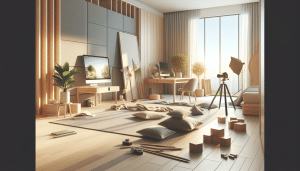
The rise of remote work means many living rooms now perform double duty. Integrating compact desks or drop-leaf tables allows productivity without transforming the entire space into an office. Tucking away work tools at the end of the day helps the room quickly revert to a restful haven. Storage ottomans, wall-mounted shelves, and slim media consoles minimize mess and enhance the room’s versatility. Blending function with beauty supports not just today’s lifestyle, but whatever changes tomorrow may bring, ensuring the heart of the home remains lively and adaptable.
Trending Living Room Décor Elements
Décor trends lean toward cozy minimalism, earth-inspired colors, and sustainable materials. Velvet or boucle upholstery, chunky knit textiles, and statement rugs bring texture and comfort. Adding greenery—through real plants or lifelike faux foliage—invigorates the air and can even boost well-being, making spaces feel fresher and more alive. Abstract wall art or sculptural lighting pieces serve as conversation starters without overwhelming the senses. Layering patterns, such as plaid throws on a linen sofa, keeps things visually intriguing and grounded in warmth.
Accent furniture in mixed metals or recycled woods marries style with sustainability, a growing priority for eco-conscious households. Decorative baskets, woven wall hangings, and ceramic vases reflect artisan craftsmanship and one-of-a-kind charm. Technology is also getting subtler: built-in wireless charging stations, voice-controlled sound systems, and hidden cable management allow entertainment and convenience to blend into the décor, rather than disrupt it. Smart homes are becoming standard, but they don’t have to look digital or cold. Good design always prioritizes inviting ambiance alongside modern functionality.
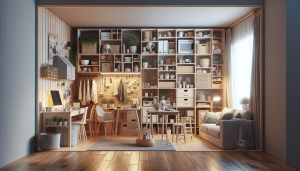
Personalization shines through curated book displays, gallery-style photo walls, or bespoke shelving for travel finds. This creates a narrative unique to your household, making guests feel more engaged and welcome. The move toward open shelving instead of bulky cabinets means everyday beauty is always on display—whether it’s a stack of artful coffee table books or a rotation of seasonal flowers. Letting personality lead keeps a living room lively and ever-evolving, instead of locked into trends that will fade. Effortless sophistication comes from mixing trend-forward ideas with personal favorites, for décor that’s always inviting.
Affordable Upgrades for Any Budget
You don’t have to overhaul the whole room for a big impact. Swapping throw pillows, adding a new lamp, or laying a vibrant rug delivers a fresh energy on a modest budget. Removable wallpaper or peel-and-stick wall decals can instantly update accent walls without costly commitments. Painting a single wall a new hue is one of the most affordable changes, transforming the mood in hours. For those seeking bigger visual shifts, rearranging current furniture can make the space look and feel new, with zero added expense.
Secondhand finds or upcycled pieces not only stretch a budget—they contribute uniquely to the room’s character. Local thrift stores, vintage markets, and even online swap groups can yield unexpected treasures, from mid-century accent chairs to ceramic planters. Repurposing old furniture with fresh paint or new hardware makes the old gleam with fresh life. This creative process becomes a fun project for families, adding sentimental value to the décor and teaching sustainable living. Affordable upgrades inspire lasting satisfaction when they reflect individual taste and resourcefulness.
Lighting can be both a statement and a savings opportunity. Swapping standard bulbs for LEDs lowers utility bills and opens the door to color-changing features for ambiance. String lights, battery-powered candles, or updated switch plates all bring flair without straining finances. Even rearranging bookshelves or decluttering a crowded mantelpiece can reveal the beauty of what’s already there. By prioritizing one or two changes at a time, you preserve both budget and energy while watching your living room gradually transform into a personal retreat.
Creating Healthy and Inclusive Spaces
Good design looks beyond aesthetics to support wellbeing. Air quality improves drastically with indoor plants or air-purifying machines, promoting better respiratory health. Choosing low-VOC paint or sustainable, nontoxic materials reduces harmful chemicals, safeguarding everyone’s health. Ergonomic furniture can prevent discomfort during reading or screen time, especially important for the growing number of home-based workers. Cleanability is also vital; stain-resistant fabrics or washable slipcovers extend the lifespan of your investment and maintain freshness. Health-focused design now plays a pivotal role in creating livable, enjoyable rooms for all ages and abilities.
Inclusivity means ensuring living rooms are accessible and inviting. This can be as simple as ensuring entryways are clear, choosing chairs with arms for stability, or including subtitles on TV for guests who are hard of hearing. Non-slip rugs and adjustable lighting further improve safety and comfort. For multi-generational homes, varied seating heights and easy-reach shelves make all feel welcome. Accessibility features blend seamlessly into modern décor, proving that function and beauty go hand-in-hand. Homes that prioritize inclusive elements remain adaptable to life’s changes, supporting comfort for every resident and visitor.
Sensory well-being is also key. Soft textures like plush throws, whisper-quiet fans, and gentle soundscapes foster tranquility and focus. Far from sterile, these touches create sensory richness drawn from nature—think breezy linen, a tabletop waterfall, or subtle aromatherapy with essential oils. Spaces that engage sight, sound, and touch nurture deeper relaxation and happiness. By centering health and inclusivity, today’s living rooms become nurturing environments that support thriving, not just surviving.
Designing for Gatherings and Entertaining
Living rooms often set the stage for social life, from movie nights to book clubs. Movable stools, nested tables, and flexible seating arrangements make hosting effortless. Lighting control, easy-access charging outlets, and clutter-free surfaces enable guests to feel at home. Statement décor—like a bold piece of art or colorful accent wall—naturally becomes a conversation starter, adding vibrancy to any gathering. Personal touches like board games, a drinks cart, or thoughtfully arranged snacks can break the ice and encourage mingling.
Music and media center placement matter. Bluetooth speakers or discreet soundbars let you set the mood for parties or quiet evenings alike. Versatile TV stands with hidden storage keep remotes, cables, and devices organized, reducing visual clutter. Multipurpose furniture, like poufs or ottomans, serve as extra seats or impromptu trays for snacks. Well-chosen window treatments, such as blackout curtains or sheer drapes, can manage both light flow and privacy, perfect for adapting the atmosphere to different activities at a moment’s notice.
Flexible décor means your living room stays ready for any occasion. Stackable stools or folding chairs tuck away seamlessly between gatherings. Durable, easy-care rugs and slipcovers protect surfaces from spills without sacrificing style. Engaging displays, like an ever-changing gallery wall or rotating book selection, give guests something new to notice each time they visit. A living room designed for entertaining cultivates cherished memories, reinforcing its role as the home’s warmest, most welcoming hub for friends and family alike.
References
1. American Society of Interior Designers. (n.d.). The Impact of Interior Design on Health and Wellbeing. Retrieved from https://www.asid.org/education/impact-of-design
2. Environmental Protection Agency. (n.d.). Indoor Air Quality. Retrieved from https://www.epa.gov/indoor-air-quality-iaq
3. National Institute on Aging. (n.d.). Home Safety Tips for Older Adults. Retrieved from https://www.nia.nih.gov/health/home-safety-and-fall-prevention
4. Plant Care Today. (n.d.). Benefits of Houseplants in the Home. Retrieved from https://plantcaretoday.com/benefits-of-houseplants.html
5. Centers for Disease Control and Prevention. (n.d.). Healthy Home Guide. Retrieved from https://www.cdc.gov/healthyhomes/index.html
6. Better Homes & Gardens. (n.d.). How to Decorate Your Living Room to Fit Your Lifestyle. Retrieved from https://www.bhg.com/how-to-decorate-living-room-to-fit-lifestyle-7506962

 Unlocking Quantum Computing and How It Impacts You