Transform Your Living Space With Minimalist Interior Design
Lucia Fernandez September 26, 2025
Escape clutter and discover how minimalist interior design creates a calming, stylish home environment. This guide reveals essential decorating tips, organization strategies, and practical inspiration to help transform any space into a clean, inviting oasis.
The Philosophy Behind Minimalist Interior Design
Minimalist interior design is more than a decorating trend—it’s a lifestyle philosophy that roots itself in simplicity, functionality, and the mindful removal of excess. At the heart of this approach is the idea that less can truly be more, gently shaping rooms that echo tranquility and order. This design style leans into neutral color palettes, open spaces, and thoughtfully chosen décor items, encouraging an environment that feels both peaceful and purposeful. Focusing on essentials gives every piece a defined function in the space, making daily life more streamlined and reducing distractions. These mindful choices can support mental clarity, which is linked to elevated mood and wellbeing. As a result, many advocates turn to minimalist design not just for aesthetic reasons, but to create a healthier, more focused living experience. Research highlights that such environments may encourage relaxation by minimizing visual noise, helping occupants recharge after busy days. https://www.psychologytoday.com/intl/basics/minimalism
By eliminating unnecessary furnishings and keeping surfaces clear, minimalist spaces feel larger and more open, no matter the home’s actual size. The absence of clutter does not equate to coldness; instead, minimalist design values warmth through high-quality textures and subtle layers. Soft fabrics, natural woods, and understated lighting are used to add depth without introducing excessive contrast. This style further encourages intentional living by helping residents weigh each purchase and addition for its practicality and harmony. Ultimately, minimalist design makes it easier to create rooms that are both serene and flexible, providing the perfect backdrop for personal routines and creative pursuits. As people report, stepping into a minimalist home can feel like a breath of fresh air, inviting moments of stillness and mindfulness with every visit. https://www.archdaily.com/898545/minimalism-in-interior-design-6-tips-for-a-better-lifestyle
For those interested in the minimalist philosophy, the journey starts by reevaluating what “home” means. Minimalism is closely tied to the ‘less is more’ mindset, but it also provides practical solutions for everyday living. Through careful organization and the use of functional design elements, even small apartments can become examples of elegance and efficiency. This shift in mindset from accumulation to intentional selection not only refreshes the look of a space but can also inspire lifestyle changes that foster simplicity and peace. The cultural fascination with minimalist interiors is evident in home improvement shows and countless online tours of sleek, uncluttered homes. Many find that the first step toward minimalism—a comprehensive edit of possessions—serves as a powerful catalyst for lasting change. https://www.nytimes.com/guides/realestate/minimalist-home
Choosing Colors and Materials That Promote Calm
The color palette is a foundational element in minimalist interior design, serving both functional and emotional purposes. Designers often recommend soft, neutral tones—think whites, sandy beiges, gentle greys, and subtle greens—to cultivate a calming atmosphere that feels airy and expansive. Such colors naturally reflect more light, further emphasizing the room’s openness. In addition to wall color, materials like matte finishes, smooth ceramics, and cozy textiles help soften the space, providing comfort and sensory appeal. When combined, these design choices support an inviting yet unobtrusive backdrop that adapts easily to any season or trend shifts.
Minimalist design also emphasizes texture as a way to infuse warmth and avoid sterility. Incorporating natural wood, linen cushions, or tactile rugs can add interest and dimension, ensuring the space remains visually rich even as it stays clutter-free. Homeowners sometimes experiment with a single accent color or textured wall to inject personality while retaining the spirit of simplicity. The focus on fewer, higher-quality materials aligns with eco-friendly values, as investing in durable pieces typically results in less waste and lower long-term costs. These subtle details allow the mind to rest, making the living environment genuinely restorative. https://www.apartmenttherapy.com/minimalism-home-tour-design-36712644
The tactile experience of a minimalist home—the quiet glide of bare feet on hardwood, the gentle drape of curtains, the comforting weight of a linen throw—cements the calming intent behind every design choice. Strategic use of indoor plants adds organic vibrancy without disrupting the clean lines typical of minimalist spaces. These elements, unified by neutral color schemes and natural materials, work together to create an environment that feels equally luxurious and accessible. As more people seek refuge from digital overstimulation, these sensory-focused design principles grow in appeal for both city dwellers and suburban homeowners alike. https://www.housebeautiful.com/room-decorating/colors/g2282/best-minimalist-home-decor-ideas/
Decluttering and Organization for Lasting Minimalism
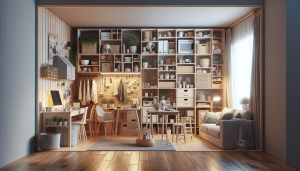
At the core of minimalist living is a dedicated approach to organization and decluttering. This principle extends far beyond simple tidying; committed minimalists systematically evaluate each item’s purpose and remove anything that no longer contributes to daily routines or happiness. Effective organization is key—smart storage solutions, such as concealed cabinets, open shelving, and multi-purpose furniture, keep everyday essentials accessible but out of sight. By integrating these elements, homeowners find it easier to maintain the clean lines and openness central to minimalist spaces. Regular editing of possessions ensures that the environment stays uncluttered, reducing the mental burden that can come from excessive belongings. https://www.goodhousekeeping.com/home/organizing/g22093710/minimalist-home-tips/
Developing a system for managing sentimental items is one of the most challenging aspects of decluttering, yet it’s essential for long-term success. Rather than abandoning cherished memories, minimalists often find creative ways to honor them: rotating displays, digital photo storage, or dedicated memory boxes. This strategy keeps homes free from overflow while preserving the emotional connection associated with beloved items. The discipline of conscious curation supports positive habits over time, and many find this process empowering. The benefits are both visual and psychological, creating calm not just in the home but also in day-to-day decision-making. https://www.thespruce.com/minimalist-living-4129221
Decluttering success depends on consistency. Setting periodic reminders to reassess possessions and remove excess helps sustain minimalism as a long-term lifestyle. Seasonal wardrobe edits, digital cleanups, or even a monthly “edit day” can keep clutter at bay and maintain harmony. Over time, many notice that reduced physical clutter leads to a lighter emotional load, making space for creativity, connection, and relaxation. Combining decluttering with intentional decorating produces a living space that welcomes both guests and residents with clarity, beauty, and a distinct sense of peace.
Furniture and Décor: Striking the Balance Between Beauty and Utility
Minimalist homes are carefully curated, with each furniture piece or decoration serving a specific purpose. Multi-functional furnishings—like storage ottomans, modular sofas, and extendable dining tables—maximize the utility of smaller spaces while supporting a streamlined aesthetic. Selecting furniture with clean lines and subtle details maintains visual harmony throughout the room. Rather than filling every corner, minimalists focus on open space; this creates easy flow and highlights the beauty of each chosen piece. In this environment, even a single armchair or bold lamp can become a focal point, drawing admiration while ensuring simplicity endures.
For those seeking to introduce personality without breaking minimalist principles, carefully chosen décor can have great impact. Artworks are typically large-scale and limited in number, providing interest without overcrowding the walls. Lighting is equally important: layered light from a mix of recessed fixtures, lamps, and indirect sources ensures functionality at any hour. Incorporating objects that offer both attractiveness and functionality—such as ceramic bowls, sculptural vases, or woven baskets—reinforces the concept that beauty and practicality are not mutually exclusive. As design experts note, minimalist homes are not devoid of character but instead celebrate it through restraint. https://www.dezeen.com/2022/08/30/minimalist-interiors-inspire-calm-homes/
Durability is valued over trendiness in minimalist settings, resulting in furniture that lasts and wears beautifully over time. Pieces made from sustainable materials or with modular designs can adapt to changing needs and decorating impulses. Many find that aligning purchases with these ideals reduces buyer’s remorse and leads to more satisfying home improvements. This intentional process also encourages mindfulness about consumption, contributing to more responsible environmental stewardship. By fusing form and function, minimalist design delivers beauty that stands apart for its simplicity and meaning.
Making Minimalism Work for Families and Shared Spaces
Minimalist living isn’t limited to singles or couples; families and those in shared spaces can benefit just as much from a simplified environment. The key is flexible, family-friendly design—using durable, easy-clean materials and kid-safe layouts that withstand everyday life. Large baskets for toys, low shelving for easy access, and plenty of open floor space make family areas inviting while allowing for quick cleanups. Shared zones such as kitchens and living rooms can retain their minimalist look with clever zoning, so every family member has defined storage and functional areas.
Creating minimalist bedrooms for children or roommates involves teaching the value of selective ownership. Setting regular times to sort belongings and donate or store outgrown items fosters responsibility and organizational skills. Shared bathrooms benefit from divided storage, labeled bins, and pared-down beauty routines. In larger households, clear communication about house rules and shared responsibilities can help everyone enjoy the benefits of a minimalist lifestyle. Importantly, the minimalist approach can be adapted to accommodate personal tastes and sentimental belongings, so each resident feels at home without crowding the space. https://www.goodnet.org/articles/6-tips-minimalist-lifestyle-families
Many who have transitioned to minimalist homes with families report substantial improvements in stress levels and household harmony. Fewer possessions often mean less cleaning, less searching, and more opportunities for connection and play. For roommates, a minimalist approach often sets clear guidelines for shared living standards, making it easier to maintain a peaceful, productive home. As children grow or household needs evolve, minimalist foundations make it simpler to adapt, reorganize, and refresh the environment as needed.
Inspiration and Ongoing Motivation For Your Minimalist Journey
Maintaining a minimalist home is made easier with ongoing inspiration from books, documentaries, online tours, and digital communities. Seeing others’ before-and-after stories and clever organizational hacks can reinforce your resolve and spark creative ideas for your own space. The beauty of minimalism lies in its adaptability—what works in a studio apartment may need modification in a large family home, but the principles remain consistent. Connecting with others who share similar values provides support and makes the lifestyle shift feel less daunting and more rewarding.
Documenting your progress through photos or journaling can be especially motivating, offering visual proof of how far you’ve come. Design communities, minimalist podcasts, and social media groups curate tips for everything from small-space storage to stylish color palettes. For those interested in sustainable living, minimalism’s tendencies toward less waste and responsible consumption are a natural match. Inspiration often comes in waves—it’s normal to revisit and refine design choices over time as life changes. Many find that establishing a routine around organization sustains long-term success, ensuring the home remains a calm haven year-round.
Importantly, minimalist interior design need not feel rigid or joyless. Personal mementos, favorite books, and art you love deserve a place in even the simplest settings—so long as they bring genuine happiness. The reward for adopting minimalist design is not only a visually pleasing home, but increased clarity, flexibility, and peace of mind. As you continue refining your space, each small improvement brings you closer to the tranquil lifestyle minimalist design makes possible.
References
1. Psychology Today. (n.d). Minimalism. Retrieved from https://www.psychologytoday.com/intl/basics/minimalism
2. ArchDaily. (2018). Minimalism in Interior Design: 6 Tips for a Better Lifestyle. Retrieved from https://www.archdaily.com/898545/minimalism-in-interior-design-6-tips-for-a-better-lifestyle
3. The New York Times. (n.d). How to Make Your Home Minimalist (and Why You Should). Retrieved from https://www.nytimes.com/guides/realestate/minimalist-home
4. Good Housekeeping. (2022). How to Transform Your Home Into a Minimalist’s Dream. Retrieved from https://www.goodhousekeeping.com/home/organizing/g22093710/minimalist-home-tips/
5. The Spruce. (2021). 10 Key Minimalist Living Tips for a Simple, Stress-Free Home. Retrieved from https://www.thespruce.com/minimalist-living-4129221
6. Goodnet. (2023). 6 Tips for a Minimalist Lifestyle with Kids. Retrieved from https://www.goodnet.org/articles/6-tips-minimalist-lifestyle-families

 Are You Missing These Trends in Renewable Energy News