Travel Experiences That Inspire Learning
Adrian Park September 26, 2025
Travel experiences that inspire learning are redefining tourism. Educational tourism is becoming one of the fastest-growing trends in the global travel industry, blending discovery with skill-building and cultural understanding.
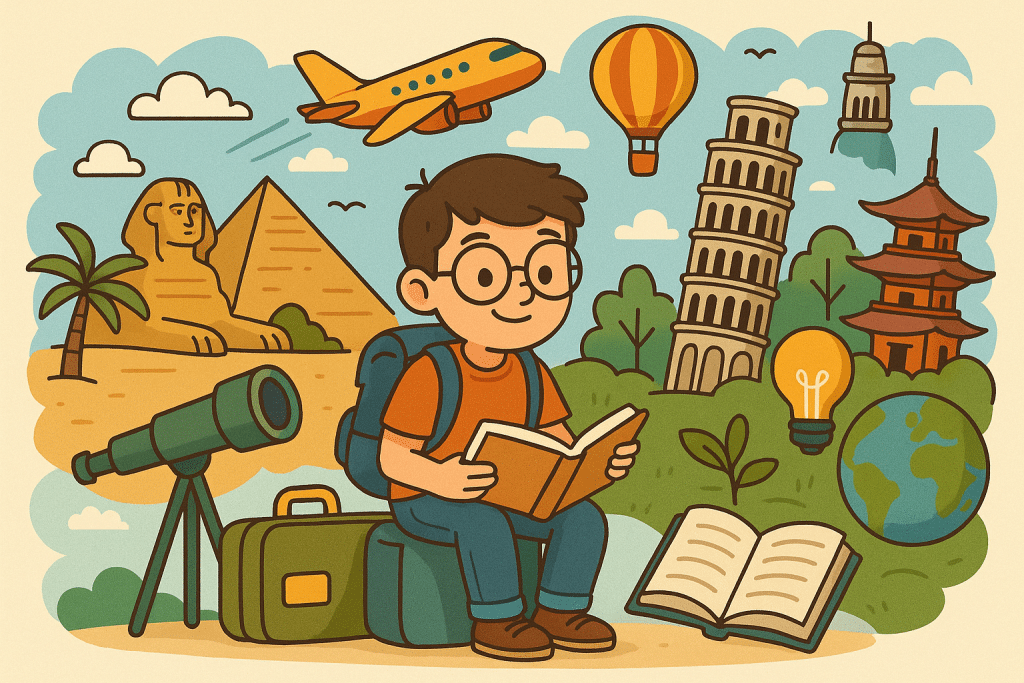
What Is Educational Tourism?
Educational tourism, often called learning travel, goes beyond sightseeing. Instead of simply visiting a place, travelers immerse themselves in experiences that expand their knowledge, skills, and worldview. It can include:
- Language immersion trips
- History-focused city tours
- Culinary experiences with local chefs
- Science and nature exploration programs
- Cultural exchange initiatives
Unlike traditional vacations, these journeys are built around purposeful engagement. According to the United Nations World Tourism Organization (UNWTO), educational travel has been growing steadily, with schools, universities, and cultural institutions playing a key role in promoting these experiences (UNWTO 2023).
Why Educational Travel Is Growing Now
1. Post-Pandemic Shift Toward Purposeful Travel
After COVID-19, many travelers started seeking meaningful experiences rather than just relaxation. A 2022 Expedia report highlighted that 65% of travelers now prioritize personal growth and cultural understanding over leisure-only travel (Expedia Group 2022).
2. Rising Demand for Skills-Based Trips
With remote work and the digital economy, professionals are traveling to gain practical skills. Cooking classes in Italy, coding bootcamps in Bali, or meditation retreats in India are part of this shift.
3. Education + Family Travel
Parents are increasingly blending vacations with learning opportunities for their children. Trips that combine fun with history, science, or environmental lessons are particularly popular among millennial families.
Top Travel Experiences That Inspire Learning
1. Language Immersion in Spain and France
Language learning through immersion has proven more effective than classroom study (Larsen-Freeman 2021). Programs in Madrid, Barcelona, and Paris allow travelers to live with host families, attend classes, and practice in real-world settings.
2. History on Location: Walking the Streets of Rome or Athens
No textbook compares to standing inside the Colosseum or exploring the Acropolis. History-focused tours help visitors better understand ancient civilizations while directly experiencing their legacy.
3. Culinary Tourism in Thailand and Japan
Cooking classes with local chefs provide insights into cultural identity. For instance, Thai culinary schools in Chiang Mai teach travelers not just how to prepare dishes, but also how food is tied to heritage and traditions.
4. Nature and Conservation in Costa Rica
Costa Rica has become a global hub for eco-tourism. Many programs let travelers volunteer in conservation projects—learning about biodiversity, rainforest ecosystems, and sustainable living practices.
5. STEM Adventures in Iceland
With its geothermal wonders, Iceland offers field-based learning in geology, climate science, and renewable energy. Universities and private organizations run programs for students and curious adults alike.
Benefits of Educational Tourism
Cultural Understanding
Immersing in local traditions fosters empathy and global awareness, which is increasingly valuable in a connected world.
Lifelong Learning
Travel experiences that inspire learning help individuals gain knowledge outside formal classrooms, aligning with the concept of “lifelong education” promoted by UNESCO (UNESCO 2022).
Career Development
For professionals, skill-based travel—whether in language, tech, or cultural competency—adds value to their careers.
Family Bonding
Parents see educational trips as opportunities to strengthen family connections while ensuring children return with more than just memories.
Challenges in Educational Tourism
While the rise is clear, educational tourism faces challenges:
- Affordability: Not all programs are accessible to lower-income travelers.
- Over-commercialization: Some destinations risk turning authentic experiences into tourist traps.
- Sustainability: Increased travel can impact the environment if not managed properly.
Future of Travel Experiences That Inspire Learning
The future looks bright. Analysts estimate educational tourism could hit 1.2 trillion dollars by 2030 (Global Market Insights 2023), fueled by travelers seeking skills and meaning, not just sightseeing. Governments are boosting study-abroad and cultural exchange programs, while private companies experiment with hybrid work-learn-travel models.
Key trends include:
- Virtual + physical packages – Online courses paired with real-world trips, like learning a language online before practicing it abroad.
- Micro-learning trips – Short, intensive programs such as weekend photography workshops or one-week sustainability camps.
- Corporate-sponsored travel – Employers funding educational trips to build skills and global awareness.
- Eco-conscious learning – Programs tied to regenerative tourism, like reef restoration or farm-to-table cooking.
In short, learning-driven travel is moving from niche to mainstream, offering cultural depth, practical skills, and new career value.
Practical Tips for Travelers Interested in Educational Tourism
Define Your Learning Goal – Decide what you want out of the trip. If your focus is art, history, or science, target destinations known for those strengths. Clear goals make it easier to pick the right place and program.
Look for Accredited Programs – Universities, museums, and NGOs often run structured courses or workshops. Accredited programs give you reliable learning and sometimes even certificates you can use later.
Balance Leisure and Learning – Too much structure can feel like school. Plan free time for exploring markets, trying local food, or just relaxing. The mix keeps you energized and makes the learning stick.
Budget Wisely – Educational travel can get pricey. Compare program fees, look for student or family discounts, and check if scholarships or grants are available. Homestays or exchange programs can also cut costs while adding cultural depth.
Consider Sustainability – Choose experiences that give back. Support programs that hire locals, use eco-friendly facilities, or contribute to conservation. Even small choices, like staying in a family-run guesthouse, make a difference.
Conclusion
Travel experiences that inspire learning are reshaping how we view tourism. Instead of short-lived vacations, people now want journeys that provide cultural depth, personal growth, and lasting skills. From conservation projects in Costa Rica to language immersion in Paris, educational tourism is no longer a niche—it’s a movement redefining global travel.
For families, professionals, and lifelong learners, these experiences promise more than just memories—they offer transformation.
References
- Richards, G. (2018) Cultural tourism: A review of recent research and trends. Journal of Hospitality and Tourism Management, 36, pp. 12-21. Available at: https://doi.org(Accessed: 26 September 2025).
- Kolb, D.A. (2015) Experiential learning: Experience as the source of learning and development. 2nd edn. Upper Saddle River: Pearson Education. Available at: https://www.amazon.com/(Accessed: 26 September 2025).
- National Geographic (2022) Travel as a tool for education: How exploring the world expands the mind. Available at: https://www.nationalgeographic.com (Accessed: 26 September 2025).

 Fitness Routines That Promote Healthy Aging