Travel Planning Tips That Reduce Stress
Adrian Park September 26, 2025
Traveling should be exciting, but let’s be honest: planning often feels overwhelming. The good news? With smart travel planning tips that reduce stress, you can avoid last-minute panic and focus on enjoying your journey.
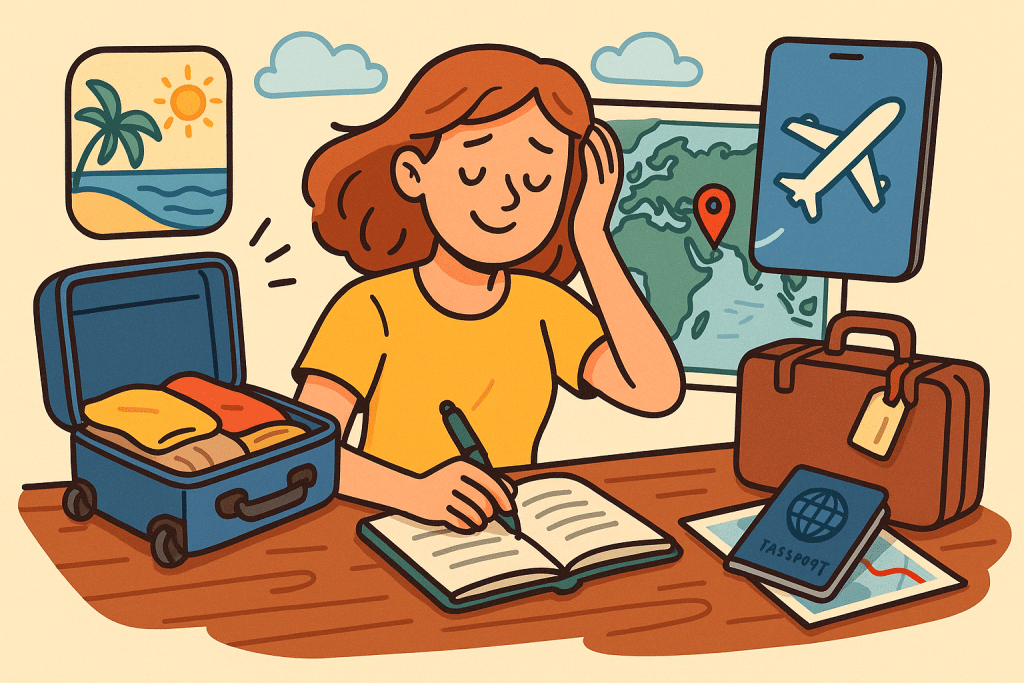
Why Stress-Free Travel Planning Matters
The travel industry has changed dramatically in recent years. Flight disruptions, fluctuating prices, and complex entry requirements have added new challenges. A 2023 survey by the American Psychological Association found that 74% of travelers report elevated stress during planning due to logistics and costs (APA 2023).
When stress dominates the process, the anticipation of travel is replaced with worry. Stress-free planning doesn’t just make the trip smoother—it protects mental well-being and helps travelers feel more in control.
Trend Alert: Digital Tools That Simplify Everything
Technology is at the heart of stress-free travel in 2025. From AI-powered itinerary apps to automated booking platforms, travelers are embracing tools that streamline the process.
- AI Trip Planners like TripIt and Google’s AI-assisted travel search now generate full itineraries within seconds, eliminating hours of manual research.
- Price Monitoring Tools such as Hopper and Skyscanner automatically alert users when fares drop, ensuring you don’t overpay.
- Digital Health Passes integrated into airline apps reduce confusion about entry requirements.
According to Statista, 72% of global travelers in 2024 used at least one travel app to manage their bookings and itineraries (Statista 2024). These tools are becoming essential, not optional.
Stress-Reducing Travel Planning Tips
Here are practical strategies backed by emerging trends to make your next trip smooth and enjoyable.
1. Start With Flexible Booking Options
Airlines and hotels increasingly offer flexible cancellation policies. Choosing “flex” rates may cost slightly more upfront but can save money and stress if plans change.
2. Leverage AI for Itinerary Management
AI-powered assistants can automatically reorder your itinerary if a flight is delayed, suggesting alternative activities or transport options. This keeps stress low when plans shift unexpectedly.
3. Build in Buffer Days
Flight cancellations and delays are more common than ever. Always allow at least one buffer day when connecting multiple destinations.
4. Use Travel Insurance With Mental Health Coverage
Not all insurance is equal. Look for policies that cover not just cancellations but also access to mental health resources during travel.
5. Streamline Packing With Capsule Wardrobes
Minimalist packing reduces both decision fatigue and baggage fees. Capsule wardrobes—limited items that mix and match—are a growing trend among digital nomads and frequent travelers.
6. Prioritize Sleep-Friendly Flights
Red-eye flights may look cheap but often come at the expense of rest. Studies show that sleep disruption worsens travel-related stress (Harvard Medical School 2022). Choose flight times that align with your natural sleep rhythm when possible.
7. Automate Checklists
Apps like Notion and Todoist allow you to create reusable packing and pre-trip checklists. Automation reduces the chance of forgetting essentials like chargers, passports, or medication.
Mental Wellness on the Road
Travel stress doesn’t end once the trip begins. Crowded airports, language barriers, and culture shock can still weigh heavily. Here’s how to cope:
- Practice Micro-Meditation: Just 5 minutes of deep breathing at the gate can significantly reduce stress hormones.
- Limit Social Media: Instead of constant posting, focus on journaling or offline photos to stay present.
- Stay Hydrated: Dehydration exacerbates fatigue and irritability. Carry a refillable bottle.
- Know Local Emergency Numbers: Having them written down prevents panic if issues arise.
The Rise of “Slow Travel” as an Anti-Stress Trend
One of the biggest emerging trends is slow travel—fewer destinations, longer stays. Instead of racing through ten cities in two weeks, more travelers are spending extended time in one or two places.
This reduces logistical headaches while deepening cultural immersion. A 2024 Lonely Planet report highlighted slow travel as the number one stress-reducing trend, especially among Gen Z and millennials (Lonely Planet 2024).
How Families Can Reduce Travel Stress
Family trips amplify planning challenges. Here’s what works:
Child-Friendly Itineraries: Balance adult interests with kid-friendly stops, like pairing a museum visit with a playground or ice cream break.
Staggered Packing: Spread essentials across bags. If one’s lost, you’ll still have clothes, meds, and snacks handy.
Early Boarding Options: Take advantage of family boarding to settle in without the rush of a crowded aisle.
Kid Involvement: Let children help pick activities or give them small roles, like snack helper. Kids who feel included are less restless.
Built-In Breaks: Short pauses for naps, swims, or quiet time reset everyone’s mood and keep meltdowns away.ort lower stress during the trip, as kids feel more engaged and less restless.
Sustainable Travel and Stress Reduction
Eco-friendly travel is not just good for the planet—it reduces stress by simplifying choices. Opting for train travel over flights, for example, avoids long airport lines and cuts carbon emissions. Many eco-lodges also offer mindfulness programs, combining sustainability with wellness.
The Future of Stress-Free Travel
Looking ahead, expect further integration of AI into every part of the travel process. Imagine:
- AI concierge services that anticipate your needs before you ask.
- Virtual reality previews of hotels and attractions.
- Smart wearables that monitor stress levels and recommend coping strategies mid-trip.
As these innovations spread, travel planning tips that reduce stress will shift from optional hacks to standard practice.
Final Thoughts
Travel should feel rewarding, not draining. With flexible booking, smart digital tools, and mindful habits, planning becomes less of a chore and more of a confidence boost. A bit of preparation now means fewer surprises later and more energy to fully enjoy the journey. Whether you’re traveling solo, with friends, or with family, these simple stress-reducing tips help turn the planning stage into the first step of the adventure—not the hardest part of it.
References
- Mayo Clinic Staff. (2022) Travel and stress: How to manage anxiety while traveling. Mayo Clinic. Available at: https://www.mayoclinic.org(Accessed: 26 September 2025).
- American Psychological Association. (2021) Stress management tips for travel. APA. Available at: https://www.apa.org (Accessed: 26 September 2025).
- Centers for Disease Control and Prevention (CDC). (2023) Healthy travel tips to reduce stress. CDC. Available at: https://wwwnc.cdc.gov (Accessed: 26 September 2025).

 Wellness Practices That Support Emotional Wellbeing