Unexpected Ways Minimalist Living Transforms You
Lucia Fernandez October 30, 2025
Minimalist living offers more than just a tidy home—it’s a lifestyle change with deep impacts on mental clarity, relationships, and everyday happiness. Explore the surprising shifts, practical strategies, and personal rewards that come with embracing simplicity in your spaces and routines.
The Surprising Benefits of Embracing Minimalism
Minimalist living isn’t just about clearing out closets. The ripple effects can surprise many who first approach decluttering from a place of necessity. Minimalist design principles often revolve around functionality and intention, making everyday decisions cleaner and simpler. With fewer belongings to maintain, individuals frequently report an unexpected sense of lightness and energy. The clarity extended to a living environment may seep into mental spaces as well, reducing stressors caused by excess possessions or constant visual noise, creating a sanctuary at home. Many find the aesthetics serene—spaces curated with mindful choices can be that daily breath of calm some yearn for.
Beyond peaceful interiors, minimalist living can dramatically reshape personal finances. When purchases are intentional, spending often decreases. Watchful consumption not only minimizes home clutter but also helps keep bank accounts healthier. This mindset naturally aligns with frugal living and conscious consumerism, supporting sustainable financial habits over time. Even those living on tight budgets can benefit by focusing resources on meaningful experiences, quality essentials, or enjoyable activities, rather than accumulating physical items that quickly lose their value or appeal. Financial freedom, in this context, becomes more attainable and less overwhelming, one small change at a time.
Another hidden bonus: relationships may improve thanks to a minimalist approach. With less time devoted to household upkeep—cleaning, organizing, and managing stuff—there’s more time available for friends, family, and rewarding pursuits. Minimalist living encourages appreciation for shared experiences, open spaces for gatherings, and less emotional weight tied to material possessions. In many cases, conversations shift from what’s owned to what’s felt or experienced, fostering deeper connections. Some even find that social circles grow more intentional, focusing on quality over quantity. These lifestyle tweaks extend well beyond house interiors, influencing outlook and interactions across many areas of life.
How Decluttering Influences Mental Health and Focus
Cluttered spaces can mean a cluttered mind. This isn’t just a saying; research has linked disorganized environments with elevated levels of stress and anxiety. Minimalist living, with its ethos of intentional possession, directly counters the chaos. By minimizing distractions—such as piles of papers, overflowing shelves, and busy tabletops—individuals commonly experience improved mental clarity and better focus. Productivity, whether at home or work, often surges when spaces feel open, organized, and visually peaceful. Having fewer things to maintain creates room for creative thinking and more restful downtime.
The effects of clutter on mental well-being have become a focus in psychological studies. Neat, minimalist surroundings are often correlated with reduced cortisol levels and better sleep. When people dedicate time to organizing and letting go of unnecessary possessions, they give themselves space to address emotional or psychological baggage too. Some report that the practice of sorting, donating, and discarding can be meditative—an act of self-care that signals a new chapter. The minimalist approach gently nudges individuals to confront what truly matters most, both in their homes and in their heads.
There’s also a link between clutter reduction and mindfulness. As spaces become simpler, so do daily routines. Preparing meals, getting ready for work, or winding down for sleep can transform into rituals rather than chores, thanks to the clarity that minimalism allows. Individuals who embrace minimalist living often find themselves more present in their surroundings—less distracted by visual noise and more attuned to details and sensations. This presence supports overall mental health by reducing anxiety and fostering gratitude for what remains—both tangible and intangible.
Daily Routines That Simplify Life and Save Time
Minimalist living extends into daily habits and routines. Many practitioners recommend morning and evening rituals that keep spaces orderly without much time or stress. For example, starting the day by making the bed and putting away laundry, or ending it with a five-minute tidy-up, can ward off hours-long cleaning sessions later. Streamlined routines reduce decision fatigue—fewer choices about what to wear, cook, or use for daily tasks mean less wasted energy, freeing up time and focus for priorities. This simplicity is especially valued in busy households or by professionals aiming to balance multiple roles.
Meal planning and capsule wardrobes are two strategies tied to minimalism with powerful time-saving effects. Preparing weekly menus and using a set of versatile, favorite clothing pieces frees up space in both kitchens and closets. These practices help avoid last-minute scrambles, unnecessary purchases, and decision overload. The principles of minimalism apply to digital spaces too—streamlining phone apps, email subscriptions, and files creates smoother workdays and less screen-induced stress. Over time, simple routines become almost automatic, making consistency and maintenance feel effortless.
Many adopt the “one in, one out” approach—introducing something new only after letting go of a similar item. This not only checks accumulation but also builds mindful consumption skills. Creating checklists or organizing by category (books, clothes, papers) accelerates the decluttering process. Even children can get involved, learning lifelong skills around order, maintenance, and values. These daily routines nurture discipline, reward progress, and gently instill the notion that less can, indeed, be more.
Minimalism for Families: Challenges and Solutions
Families considering a minimalist lifestyle commonly face unique hurdles. Children often accumulate toys, school projects, and gifts; parents may worry about letting go of sentimental items. Open conversations about needs versus wants—and involving everyone in decluttering decisions—are crucial. Many families start small, decluttering shared spaces together before venturing into personal items. Clear guidelines and positive reinforcement encourage participation and minimize friction. When family members are empowered to make decisions about their belongings, it strengthens confidence and cooperation.
A minimalist approach to family life doesn’t mean deprivation. Rather, it encourages prioritization and creativity. Rotating toys, organizing playdates at parks instead of at home, and favoring experiences over things all support the philosophy. Children can be taught the value of quality over quantity, and celebrations can focus on memory-making activities instead of physical gifts alone. Some families find that decluttering toys and art projects creates more calm, reduces conflict, and fosters imaginative play, where the few items kept are cherished more deeply.
Digital minimalism can also be a family affair. Limiting screen time, organizing digital photos or files as a group, and curating shared playlists or movie libraries all support intentional habits. Establishing phone-free zones, simplifying meal routines, and scheduling regular “reset” weekends help families stay aligned with minimalist values. Over time, these traditions replace impulse-driven habits with shared, intentional living. The result? Stronger family bonds and a home that feels lighter, both physically and emotionally.
Intentional Spaces: Minimalist Design and Home Organization
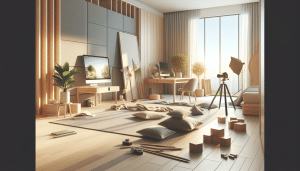
Minimalist design is both an art and a practice. Interiors are shaped around clarity, light, and function, favoring neutral palettes and multi-use furniture. Open layouts allow rooms to breathe, and storage solutions keep necessities tucked out of sight. Each piece is chosen for a purpose—nothing is there “just because.” The visual calm brought by uncluttered spaces can ease the mind and boost happiness. Even small living areas can feel expansive and welcoming when designed with intention.
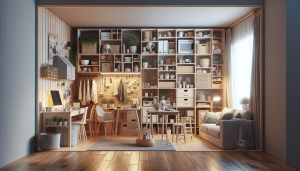
Many minimalist homes feature plants, natural light, and calming textures to replace visual clutter. Multi-functional furniture—such as storage ottomans or extendable tables—helps maximize available space. Smart storage bins, wall hooks, and labeled boxes serve as organizing heroes, ensuring that items return to their assigned places. Minimalist living isn’t about emptiness but about providing room for movement, expression, and comfort. Every object, from artwork to cookware, has a clear and meaningful place in the home.
Those eager to start can begin by tackling the most used spaces—kitchens, living rooms, bathrooms. Sorting, donating, or repurposing items gradually transforms chaos into calm. Regular maintenance keeps clutter at bay, and newly organized zones support efficient routines. Intentional design, in this lifestyle, is less about following trends and more about customizing living spaces for daily wellbeing, comfort, and personal joy. Over time, visually serene surroundings mirror inner tranquility, making home a true retreat.
Long-Term Rewards and Common Misconceptions
Transitioning to minimalist living can yield profound, lasting rewards. Over time, individuals often report enhanced satisfaction, better work-life balance, and more meaningful use of their resources. The process encourages continuous self-reflection—routinely assessing what adds value and joy, versus what weighs down everyday experience. Letting go, for many, becomes a liberating act, clearing space not only at home but also within. Minimalist living is more journey than destination, with ongoing adjustments as needs evolve.
There are common misconceptions about this lifestyle—that it requires stark, unadorned spaces or a life of deprivation. In reality, minimalism is customizable. It’s about curating belongings and commitments so they enhance, not hinder, daily life. Some minimalists love vibrant colors or statement pieces, while others prefer simplicity to the extreme. The unifying theme is intention, not uniformity. With flexibility at its core, minimalist living is accessible to anyone, regardless of age, taste, or household size.
The long-term impact of minimalism can ripple into unexpected areas. Physical wellness may improve as exercise or outdoor time becomes more routine. Social connections deepen with the focus on quality experiences. Environmental impact lessens, thanks to reduced consumption and waste. Ultimately, this way of life calls individuals to invest their time, energy, and attention where it matters most—to themselves, their loved ones, and the world around them.
References
1. American Psychological Association. (n.d.). Declutter Your Mind. Retrieved from https://www.apa.org/topics/mental-health/declutter
2. Mayo Clinic. (n.d.). Stress Management: Declutter your life. Retrieved from https://www.mayoclinic.org/healthy-lifestyle/stress-management/expert-answers/stress/faq-20058402
3. The Minimalists. (n.d.). What is Minimalism? Retrieved from https://www.theminimalists.com/minimalism/
4. National Institutes of Health. (2016). The Cognitive Benefits of a Minimalist Environment. Retrieved from https://www.ncbi.nlm.nih.gov/pmc/articles/PMC4814782/
5. Harvard Health Publishing. (2022). Can Decluttering Really Improve Your Mental Health? Retrieved from https://www.health.harvard.edu/mind-and-mood/can-decluttering-really-improve-your-mental-health
6. Psychology Today. (n.d.). Minimalism and Mental Health. Retrieved from https://www.psychologytoday.com/us/blog/minimalist-living

 Tiny Habit Changes That Make Your Daily Life Easier