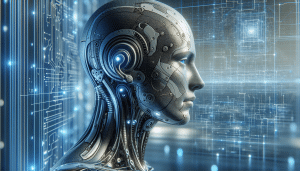
Unlocking the Potential of Artificial Intelligence for Everyday Life
Marcus Liu October 19, 2025
Artificial intelligence is transforming the way people communicate, work, and navigate daily challenges. This guide unpacks how AI is making complex tasks simpler, driving innovation across fields, and raising new questions about privacy, ethics, and future possibilities. Explore what’s unfolding in the world of intelligent technologies.
AI in Daily Lives: More Impact Than You Realize
Artificial intelligence is no longer limited to research labs or high-tech companies. It’s already become a silent partner in daily routines, from the way emails are sorted to voice assistants answering questions or scheduling reminders. Natural language processing, a subfield of AI, helps devices understand requests. When a virtual assistant sets up an appointment or tells you the weather, it’s AI at work. AI-powered tools even ensure safer commutes. Navigation apps analyze real-time traffic, suggest alternative routes, and estimate arrival times, all thanks to machine learning algorithms that process vast datasets quickly. These subtle conveniences save time, lower frustration, and boost productivity, making technology an invisible but essential helper in fast-paced lives.
Beyond convenience, smart technology is also influencing health and wellness. Wearables like fitness trackers use artificial intelligence to analyze activity patterns, sleep quality, and heart rates. These insights can support making healthier decisions and foster motivation to stay active. At a higher level, AI systems assist medical professionals by detecting early signs of complications through scanned imagery or health data. From managing appointments to interpreting test results, these tools help ensure care remains timely and personalized. According to the National Institutes of Health, AI’s potential in diagnostics and patient care continues to expand rapidly (https://www.nih.gov/news-events/nih-research-matters/artificial-intelligence-improves-cancer-diagnosis).
AI’s capacity for pattern recognition means your shopping experiences online are hyper-personalized. Recommendation engines suggest new products or services, adjusting as preferences change. Also, fraud detection systems monitor bank transactions for unusual activity, increasing security. These benefits do not occur by chance; behind every digital touchpoint, AI models operate quietly, adapting and learning from new data. This ongoing evolution reveals just how deeply integrated this technology is—helping, protecting, and personalizing, without demanding constant attention.
Smart Homes and the Future of Connected Living
Imagine homes that optimize themselves. Artificial intelligence now powers smart thermostats, lighting systems, and appliances, turning houses into responsive environments. These systems learn habits—when a person prefers the lights darker or when the thermostat should lower the temperature overnight. Over time, smart home devices adjust their algorithms, offering optimal comfort while also reducing energy costs. According to the U.S. Department of Energy, smart automation contributes to significant energy savings and can improve a home’s efficiency (https://www.energy.gov/energysaver/smart-home-technologies).
Security is another fast-evolving aspect. Video doorbells and smart locks use AI to improve safety, automatically distinguishing between ordinary visitors and potential risks. Motion sensors and surveillance cameras equipped with deep learning algorithms notify users about unusual activity and learn what counts as normal household behavior. Over time, these systems refine their assessments to reduce false alarms, bringing peace of mind without unnecessary interruptions. Integration of AI into home security illustrates practical benefits that stem from advanced science.
As more devices become interconnected, the concept of the Internet of Things (IoT) comes alive. AI orchestrates how appliances, sensors, and platforms communicate, ensuring the right action happens at the right time—like pre-heating an oven at the end of a workday or alerting to leaky pipes. This seamless connectivity makes life smoother, freeing up mental space to focus on what matters most. Many see this as a glimpse into the homes of the future, where technology quietly empowers well-being and efficiency.
AI and Work: Shaping New Careers and Skills
The workplace is experiencing rapid transformation due to artificial intelligence, from automating repetitive tasks to inspiring innovation in decision-making. AI can analyze vast amounts of information quickly, providing insights that humans alone would struggle to gather. In fields like financial analysis, AI models help forecast trends, detect anomalies, and support risk management. The U.S. Bureau of Labor Statistics notes that demand for skilled AI-related roles continues to grow as organizations leverage this technology for everything from data analytics to cybersecurity (https://www.bls.gov/ooh/computer-and-information-technology/computer-and-information-research-scientists.htm).
However, the shift isn’t only about automation. Many new careers are emerging—machine learning engineers, data scientists, AI ethicists—shaping the next wave of job opportunities. Leading technology education providers, such as Coursera and edX, offer accessible AI and machine learning courses, enabling individuals to upskill and prepare for evolving roles (https://www.coursera.org/learn/machine-learning). These structured programs empower the workforce with technical and ethical knowledge—essential for adapting to changes driven by intelligent automation. Upskilling is a vital strategy for both individuals and organizations aiming to stay competitive in the new economy.
Importantly, human-AI collaboration is redefining productivity. AI-driven platforms support brainstorming, automate scheduling, and even generate creative solutions. Far from replacing people, many AI tools instead amplify human capabilities, freeing up time for more strategic or creative efforts. This interplay is leading to more dynamic, diverse, and innovative teams—transforming not just how companies compete, but how they support and engage their employees in meaningful, future-ready work.
Privacy and Ethics in a Connected World
As artificial intelligence becomes woven deeper into the fabric of daily life, questions around privacy and ethics come into sharper focus. Algorithms collect, analyze, and act upon vast amounts of personal data. These capabilities drive everything from personalized recommendations to targeted health interventions. But who controls the information? Leading data protection institutions, including the Electronic Frontier Foundation, stress the importance of transparency and security in all AI implementations (https://www.eff.org/issues/artificial-intelligence).
Ethics goes beyond safeguarding data. AI can reflect—or even amplify—societal biases if not properly addressed. Experts stress the importance of fairness and accountability. Tech organizations and universities are developing ethical AI frameworks to mitigate risks, advocating for transparent algorithm design and clear lines of responsibility. These efforts are crucial in sectors like hiring, lending, and criminal justice, where algorithmic decisions can impact lives. The conversation is still evolving, as new discoveries shape public debate and inform better guidelines for the future.
People are increasingly empowered to control their digital footprints. Consumers can manage permissions, review privacy settings, and understand how algorithms make decisions. This trend marks a shift away from passive reliance on technology, fostering informed participation in the age of intelligent machines. As privacy laws continue to develop worldwide, the AI ecosystem is responding—with greater openness and accountability built into every connected service.
AI in Science: Solving Complex Challenges
Beyond everyday conveniences, artificial intelligence is a powerhouse for scientific discovery. In environmental science, AI systems analyze massive datasets from satellites, remote sensors, and climate models to predict natural disasters and monitor biodiversity loss. These technologies drive smarter conservation planning, resource allocation, and response strategies. The National Aeronautics and Space Administration uses machine learning to analyze data streams from ongoing missions, dramatically speeding up discoveries in space and earth science (https://www.nasa.gov/audience/forstudents/postsecondary/features/F_AIMachineLearning.html).
In biomedical research, the impact is just as profound. AI models simulate how molecules interact or predict how genetic variations influence health. Laboratories use deep learning algorithms to screen potential medications, hastening the path to new treatments. The interplay between human intuition and machine-driven research accelerates breakthroughs, improving outcomes in everything from vaccine development to personalized care strategies. Knowledge-sharing platforms like the National Academies foster interdisciplinary discussions and highlight ethical pathways for putting new discoveries to work (https://www.nationalacademies.org/news/2022/11/how-artificial-intelligence-is-changing-science).
AI’s role isn’t limited to research labs. Citizen science has found new momentum thanks to user-friendly AI tools. Projects that invite the public to classify galaxies, monitor air quality, or identify species are thriving, leveraging collective intelligence for global good. This collaboration between humans and technology highlights the expansive potential of artificial intelligence to address some of society’s most urgent challenges—all while engaging everyday people in scientific progress.
The Road Ahead: Challenges and Opportunities
As adoption grows, so do questions about how to harness AI’s full promise while minimizing risks. Experts advocate for ongoing research, transparent policy, and robust public dialogue to steer development responsibly. The World Economic Forum recommends that stakeholders across sectors work together toward inclusive, equitable AI systems that benefit everyone (https://www.weforum.org/agenda/2020/01/ai-ethics-principles-industry-government).
Practical action matters. Continued investment in AI education—at all ages—will shape the next generation of experts, innovators, and informed users. Collaborative innovation, public oversight, and a commitment to fairness will be critical as intelligent systems move into even more areas of daily life. Reliable, responsibly-developed AI technologies can help address problems from healthcare disparities to climate change, if guided carefully by evidence and community needs.
This new chapter in technological evolution is still being written. AI’s ability to process information and learn at scale offers momentum for solutions once thought out of reach. The journey will require openness, caution, and creativity as individuals, communities, and organizations collectively shape a world where artificial intelligence supports well-being, discovery, and opportunity.
References
1. National Institutes of Health. Artificial intelligence improves cancer diagnosis. Retrieved from https://www.nih.gov/news-events/nih-research-matters/artificial-intelligence-improves-cancer-diagnosis
2. U.S. Department of Energy. Smart home technologies. Retrieved from https://www.energy.gov/energysaver/smart-home-technologies
3. U.S. Bureau of Labor Statistics. Computer and information research scientists. Retrieved from https://www.bls.gov/ooh/computer-and-information-technology/computer-and-information-research-scientists.htm
4. Electronic Frontier Foundation. Artificial intelligence and machine learning. Retrieved from https://www.eff.org/issues/artificial-intelligence
5. National Aeronautics and Space Administration. AI and machine learning: Changing science. Retrieved from https://www.nasa.gov/audience/forstudents/postsecondary/features/F_AIMachineLearning.html
6. World Economic Forum. AI ethics principles for industry and government. Retrieved from https://www.weforum.org/agenda/2020/01/ai-ethics-principles-industry-government

 Unlocking Entrepreneurial Success in the Digital Age