Why Functional Decorating Styles Capture Attention
Lucia Fernandez October 20, 2025
Discover what defines the most talked-about functional decorating styles making waves in lifestyle and entertainment. This article explores practical design choices, aesthetic trends, and how multi-purpose living sparks creativity and comfort at home.
Smart Spaces and Why They Inspire
Functional decorating styles stand out because they blend beauty with practicality, enabling people to truly live in their spaces while expressing personal taste. Many are drawn to the concept of smart spaces—rooms that serve more than one purpose or adapt to changing needs. Kitchen islands with built-in storage or sofa beds that turn living rooms into guest rooms show how design merges with convenience. As people spend more time at home, the ways a space can transform become central to the enjoyment and resilience of daily life. Entertainment spaces must serve many functions, from work to relaxation, making versatility an anchor of modern homes.
What is fueling this shift toward adaptable living environments? Inspiration is everywhere, from digital platforms showcasing home makeovers to professional designers emphasizing sustainability and personal flair. People want their homes to reflect functionality without sacrificing style. Simple improvements—using room dividers to create private nooks or selecting multi-use storage ottomans—spark a sense of creativity. The current movement celebrates designs that empower, whether it’s a wall-mounted desk in a small apartment or a foldable dining table that disappears when not in use.
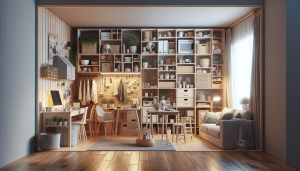
Behind every functional decorating style lies the motivation to stay organized and uncluttered. Purposeful choices, such as open shelving for accessibility and seating that doubles as storage, foster easier routines. When every item has a place and aesthetic value, maintaining order feels less like a chore and more like a way of life. Such spaces don’t just look good on social media—they enhance real-world living, supporting well-being and making everyday activities enjoyable.
Popular Functional Decor Styles Everyone Is Talking About
Minimalism continues to top discussions in lifestyle and entertainment circles. Its core principle—‘less is more’—means choosing fewer but higher-quality furnishings, which brings clarity to the home. Clean lines, neutral color palettes, and ample sunlight open up spaces, creating a calming environment. Minimalist interiors highlight purposeful items, removing unnecessary clutter. People seek this style for the sense of calm and order it brings to modern life, especially in smaller homes or apartments.
Scandinavian decor also draws widespread attention. This celebrated look combines simplicity with cozy comfort, using natural materials like wood and wool alongside muted colors. Functionality appears front and center: modular sofas, nesting tables, and smart illumination bring both warmth and utility. A focus on natural light and open layouts helps rooms feel larger and more welcoming. It’s not just about looking good; it’s about practical living that supports various lifestyles and interests, from movie nights to casual gatherings.
Industrial and urban loft styles further exemplify how functional decorating merges utility with aesthetics. Exposed brick, metal shelving, and open layouts give a sense of spaciousness, while multi-use furniture aids adaptability. Items like rolling carts transition from kitchen prep to entertaining and creative projects. The appeal of these styles lies in their ability to balance bold character with everyday utility, making them favorites for social spaces and home offices alike.
How Multi-Functional Furniture Shapes Daily Life
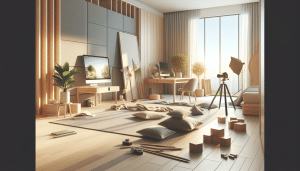
Multi-functional furniture is gaining traction because it unlocks more possibilities without expanding a home’s footprint. Think of a coffee table with lift-top storage or convertible workstations that hide away at the end of the day. For people seeking entertainment and relaxation, modular seating and movable bookshelves redefine how rooms serve various needs. Flexible layouts—where one area becomes a movie lounge by night and a workspace by day—showcase the real power of design rooted in function.
In shared spaces or growing households, furniture that adapts is invaluable. Fold-out dining tables, stackable chairs, and Murphy beds are not just space-savers, but style statements. They enable rooms to evolve as schedules and lifestyles shift. Kids’ rooms, for example, often use loft beds with desks underneath, maximizing play and study zones. Adults find similar value in ottomans hiding board games or drawers built into staircases—ingenious designs that cater to changing needs.
Multi-purpose pieces are often investments, chosen for long-term utility. Quality and versatility take precedence over short-lived trends. Users find joy in discovering new configurations—two armchairs that connect to become a sectional, or a media console that turns into a standing desk. Such solutions invite experimentation, making home organization and entertainment both accessible and fun. People appreciate how thoughtful furniture reduces the need for frequent upgrades, curating spaces for comfort and style.
Bringing Entertainment to Functional Decor
Homes today are built around experiences. Integrating entertainment into functional decorating styles highlights the importance of spaces that foster connection and joy. Many seek ways to make their homes ready for movie marathons, game nights, or intimate dinner parties. Built-in speakers, smart lighting, and projectors that vanish into ceilings make entertainment seamless. Wall-mounted shelves become art displays by day and party beverage stations by night, exemplifying how design enhances practical enjoyment.
For those who love to entertain, having a functional kitchen layout is essential. Islands with extra prep space and breakfast bars often double as serving buffets or conversation hubs. Pull-out pantry shelves and appliance garages keep counters clutter-free, allowing for effortless transitions between daily life and hosting. Integration of soundproof panels or sliding dividers helps create environments suited for both bustling activity and quiet relaxation.
Streaming devices, fold-down screens, and customizable lighting support flexible entertainment options without permanent installations. When game consoles tuck neatly into drawers after play or artwork transforms into television screens, spaces retain both order and excitement. This fusion of decor and entertainment is at the forefront of lifestyle trends—demonstrating how homes can adapt quickly to the needs of family, friends, or solo leisure.
Sustainability and Mindful Consumption in Modern Decor
Sustainable living has become a guiding force in today’s decorating decisions. Homeowners and renters alike search for eco-friendly materials and products that last. Reclaimed wood, bamboo, and recycled metal are increasingly popular, as are paints with low environmental impact. Choosing timeless pieces that serve many purposes reduces waste. Functionality is not just a practical concern—it’s an ethical one, leading many to adopt a less-but-better mindset in their home design journeys.
Adapting to sustainability means evaluating the source and lifespan of every piece. Vintage and pre-loved items offer unique character while promoting circular consumption habits. Swapping out fast fashion furniture for durable investment pieces saves resources over time. Upcycled and DIY solutions—like turning old doors into tables or vintage trunks into coffee tables—blend creativity, heritage, and environmental awareness. Consumers are encouraged by both the style and substance of such choices.
Energy-efficient lighting, smart thermostats, and water-saving fixtures anchor the functional decorating movement. Integrating technology that conserves resources is more than a trend—it’s becoming the standard. People now prioritize spaces that foster healthier living and lighter environmental footprints. As homes adapt to changing needs, conscious decorating becomes both an individual statement and a collective responsibility toward the planet.
Personalizing Functional Spaces for Well-Being
The beauty of today’s decorating trends is the invitation to personalize each space while staying functional. Color, texture, and pattern choices express personality without detracting from usability. Some people choose bold accent walls or textured rugs to energize rooms, while others opt for calming tones and soft fabrics to create restful sanctuaries. Showcasing family mementos or art collections adds meaning, turning houses into homes that support happiness and calm.
Biophilic design—the incorporation of natural elements into interiors—has seen a surge. Bringing plants indoors improves air quality and lifts mood. Living walls, hanging gardens, and potted greenery infuse spaces with vitality. Large windows and mirror placements maximize natural light, which contributes to both mental health and the perception of spaciousness. These elements support a balanced approach to entertainment and relaxation.
Ultimately, functional decorating is about harmony. Flexible layouts, personal touches, and adaptable decor enable homes to mirror the preferences and rhythms of those living within them. The trend encourages experimentation—rearranging, swapping out, or layering elements based on need and season. This ongoing process not only sustains interest but nurtures a sense of agency and joy in shaping living spaces.
References
1. American Society of Interior Designers. (n.d.). The Impact of Design on Mental Health. Retrieved from https://www.asid.org/resources/research/impact-of-design-on-mental-health
2. U.S. Green Building Council. (n.d.). Sustainable Home Design. Retrieved from https://www.usgbc.org/articles/sustainable-home-design
3. National Building Museum. (2021). The Power of Modular Design. Retrieved from https://www.nbm.org/exhibition/the-power-of-modular-design
4. Harvard T.H. Chan School of Public Health. (2017). Healthy Buildings. Retrieved from https://www.hsph.harvard.edu/healthybuildings/
5. The Spruce. (2023). Scandinavian Design Style Guide. Retrieved from https://www.thespruce.com/scandinavian-design-style-guide-4779213
6. Environmental Protection Agency. (n.d.). Indoor Air Quality in Homes. Retrieved from https://www.epa.gov/indoor-air-quality-iaq/indoor-air-quality-homes

 You Can Unlock Lifelong Learning With MOOCs