You Can Transform Your Living Space With Small Changes
Lucia Fernandez October 31, 2025
Discover practical ways to enhance your lifestyle and living environment with simple yet powerful changes. This guide explores creative home decor ideas, organization hacks, affordable upgrades, and the psychology behind cozy living spaces—all designed to inspire both comfort and joy. Find out how small tweaks can make a big impact.
Why Ambience Matters in Everyday Life
The atmosphere of a living space shapes moods, productivity, and everyday experiences. Ambience is far more than visual style; it’s an invisible force influencing stress levels, focus, and even sleep quality. Many studies in environmental psychology highlight that people react positively to soothing lighting, harmonious color combinations, and the presence of plants or soft textures. Even the scent of a room can affect how relaxed or energized someone feels. By paying attention to these sensory details, individuals create settings where both guests and residents feel genuinely welcome.
Creating the right ambience does not require dramatic renovations or expensive decor. Instead, purposeful use of lighting—such as opting for natural sunlight by opening curtains, or placing warm-toned bulbs in strategic corners—can make a significant difference. Research suggests that soft, indirect lighting encourages relaxation, while brighter, cooler lights are excellent for workspaces. The selection of décor elements, from throw pillows in calming patterns to visually intriguing wall art, adds layers of texture that enhance the overall mood of a room (Source: https://www.ncbi.nlm.nih.gov/pmc/articles/PMC6770121/).
Sounds and scents contribute greatly to ambience as well. Playing soft background music or using sound-absorbing materials reduces unwanted noise. Introducing essential oil diffusers can cultivate an inviting smell that complements the space’s purpose, such as lavender in a bedroom or citrus in the kitchen. All these choices reflect personal taste while also underpinning the psychological benefits of well-designed environments.
Easy Home Decor Tips for Every Budget
Home decor doesn’t have to mean costly purchases or hiring interior designers. Simple shifts, such as rearranging furniture for better room flow or adding colorful accent pieces, can revive tired rooms instantly. Repurposing existing materials—like transforming jars into vases or old ladders into shelving—lets creativity shine without breaking the bank. These projects are accessible to everyone and serve as a fulfilling form of self-expression (Source: https://extension.psu.edu/small-ways-to-refresh-your-space).
For those looking to maximize impact with minimal investment, switching out wall decor can redefine a room’s vibe. Hanging mirrors not only adds artistic flair but also amplifies natural light, making smaller spaces appear larger. Throw blankets, area rugs, and new cushion covers are inexpensive updates that bring added comfort and emblematic style. Engaging in do-it-yourself projects can be a relaxing weekend activity and result in personalized spaces that reflect individual taste.
Affordability extends to greenery as well; even a few hardy houseplants, such as pothos or succulents, can inject vibrance and filter the air. Upcycling thrift-store finds gives items a new lease on life, and mixing sleek modern touches with vintage treasures yields spaces full of character. These practical design ideas ensure that living spaces look inviting, regardless of financial constraints.
The Power of Decluttering for Mental Wellbeing
A clutter-free environment has been linked to lower stress and increased contentment. Many lifestyle experts agree that clearing surfaces and organizing items helps boost focus and encourages relaxation. Keeping only essential or meaningful objects—while storing or donating the rest—creates a sense of accomplishment and peace. Tidying up on a regular basis transforms daily routines and sets a positive tone for the entire household (Source: https://www.verywellmind.com/decluttering-your-home-to-support-mental-health-5097494).
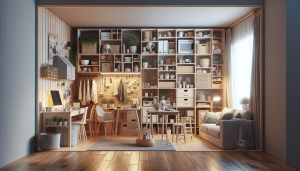
Starting with small areas, such as a single shelf or a drawer, makes the process less daunting and more rewarding. Practical solutions—like using labeled baskets or modular storage units—simplify sorting while keeping essentials within reach. Many people find that once they begin removing physical clutter, mental clarity follows. As a result, individuals often report improved sleep, increased motivation, and a greater sense of calm.
The benefits extend beyond aesthetics. Clutter can be a subtle source of anxiety, yet addressing it can be surprisingly empowering. Decluttering rituals, even as brief as five minutes a day, help set boundaries, define priorities, and foster mindfulness. Whether in a family room or personal office, organized zones support a lifestyle focused on contentment, rather than chaos.
Affordable Upgrades for Instant Impact
Small upgrades can yield striking results in any living space. Replacing cabinet handles, swapping out lampshades, or adding peel-and-stick wallpaper are just a few creative ways to refresh a room without major expense. Confident color choices—such as painting a feature wall or installing removable wallpaper—inject personality without long-term commitment. These upgrades balance practicality and style perfectly (Source: https://www.familyhandyman.com/list/simple-ways-to-update-your-home-on-a-budget/).
Updating light fixtures, installing dimmer switches, or layering different types of lamps brings dimension and ambiance to familiar settings. Swapping standard hardware for brass, black, or glass knobs modernizes kitchens and bathrooms affordably. In shared spaces, shifting the focal point from a TV to a highlighted piece of art encourages social interaction and a sense of warmth.
Those who enjoy crafting can personalize cushions or create their own wall art using online tutorials and easy-to-find supplies. These small but meaningful improvements let anyone experiment with their own sense of style. By planning upgrades in manageable steps, ongoing refreshes keep homes feeling current and engaging all year round.
Organization Hacks for Daily Convenience
Smart organization is at the heart of a stress-free lifestyle. Well-placed hooks for coats, trays for keys and wallets, and drawer dividers save time and reduce daily frustration. Using multifunctional furniture, such as ottomans that double as storage, makes even compact spaces more efficient. Small baskets, labeled bins, and adjustable closet rods help keep items sorted and easy to locate (Source: https://www.houzz.com/magazine/10-easy-ways-to-get-organized-at-home-stsetivw-vs~44282886).
Digital tools and smart home technology can streamline routines too. Apps for shopping lists, reminders, and meal planning permit smoother management of tasks. Wireless charging stations reduce cable jumble, while stackable clear containers make pantry organization visually appealing. When daily necessities have a designated place, life runs with much less interruption.
Creating drop zones for mail and paperwork prevents piles from accumulating on counters or tables. Color-coding files and using vertical organizers maximize desk space and improve workflow. In children’s areas, assigning bins for toys by category teaches responsibility and independence. These straightforward techniques promote a calm, orderly lifestyle accessible to everyone.
The Psychological Side of Cozy Living
Cozy living goes beyond aesthetics—it’s about cultivating emotional comfort. Blankets thrown over sofas, artfully arranged books, and clusters of candles embody warmth and belonging. Experts in design psychology highlight that soft textures and layered lighting contribute to the feeling of safety and peace. Making a space cozy isn’t about size; it’s about intentional touches that awaken calm and joy (Source: https://www.nytimes.com/guides/realestate/how-to-make-a-home).
Personal mementos, like framed photos or inherited heirlooms, can carry emotional weight and foster a sense of continuity. Creating nooks for reading or meditation offers an escape from digital distractions. Even a collection of favorite mugs or a well-stocked shelf of teas can signal relaxation and self-care. Thoughtful details like these turn any spot into a personal haven.
Social connections flourish in cozy settings. Comfortable gathering spaces encourage meaningful conversation. Open layouts paired with soft rugs and ambient lighting draw people together. The psychological benefit of a welcoming home is profound—it eases loneliness, reduces anxiety, and supports deeper bonds with loved ones.
References
1. Küller, R., Ballal, S., Laike, T., Mikellides, B., & Tonello, G. (2006). The impact of light and colour on psychological mood: a cross-cultural study of indoor work environments. Retrieved from https://www.ncbi.nlm.nih.gov/pmc/articles/PMC6770121/
2. Penn State Extension. (2023). Small Ways to Refresh Your Space. Retrieved from https://extension.psu.edu/small-ways-to-refresh-your-space
3. Suni, E. (2022). Decluttering Your Home to Support Mental Health. Verywell Mind. Retrieved from https://www.verywellmind.com/decluttering-your-home-to-support-mental-health-5097494
4. Family Handyman. (n.d.). Simple Ways to Update Your Home on a Budget. Retrieved from https://www.familyhandyman.com/list/simple-ways-to-update-your-home-on-a-budget/
5. Houzz Editorial Staff. (2014). 10 Easy Ways to Get Organized at Home. Retrieved from https://www.houzz.com/magazine/10-easy-ways-to-get-organized-at-home-stsetivw-vs~44282886
6. The New York Times. (n.d.). How to Make a Home. Retrieved from https://www.nytimes.com/guides/realestate/how-to-make-a-home

 You Can Navigate College Financial Aid Challenges