You Won’t Believe These Minimalist Home Trends
Lucia Fernandez October 21, 2025
Step inside the world of modern minimalist home trends as this guide explores how a thoughtful approach to decorating delivers both style and comfort. Find out how simplicity, space, and unique touches can transform any space into a calming retreat that feels truly personal.
Understanding Minimalism Beyond Empty Spaces
Minimalism goes beyond bare walls or sparse rooms. It’s an intentional lifestyle that focuses on what truly matters to you. In home design, this approach highlights clarity, function, and purposeful aesthetics—leaving out anything unneeded or distracting. The philosophy sets a tone of tranquility, allowing anyone to enjoy a sense of openness and calm even in busy urban settings. Recent shifts toward mindfulness have inspired more people to adopt minimalist principles, not just for visual appeal but also because they reduce stress and clutter in daily life.
Minimalist design celebrates uncomplicated lines, soothing color palettes, and clever organization. Rooms tend to feature open layouts, with each object having a clear use or meaning. Fans of this trend find joy in letting their furniture and art pieces breathe with extra space around them. The draw? Minimalism’s natural ability to create peaceful, luminous environments that feel welcoming and easy to navigate. Whether in a small apartment or a sprawling house, the style works by emphasizing negative space, soft textures, and functional details. Such homes are easy to clean and maintain, offering practical benefits beyond mere looks.
Trend analysts note a rising appetite for serene and simple interiors thanks to the remote work movement. Many seek more open and flexible layouts that blend seamlessly into daily routines. Interior designers often recommend starting with decluttering before bringing in neutral-toned furniture or sleek lighting. A minimalist approach can suit any taste—whether Scandinavian-inspired, calming Japanese Zen, or rustic farmhouse—while always spotlighting intentional living. This trend, rooted equally in design and mindset, underscores the power of less while proving style need not mean surplus.
Furniture Choices That Transform Minimalist Living
Choosing furniture for a minimalist home centers on quality, versatility, and clean lines. Sofas tend to be low-slung and modular, coffee tables simple yet striking, and storage solutions tucked away with purpose. Rather than favoring flashy decor, minimalism values subtle impact and enduring craftsmanship. Popular materials include light wood, matte metals, and plush textiles—each selected for their ability to blend effortlessly yet provide comfort. The focus is on maximizing function without overwhelming the space, creating rooms that feel balanced and uncluttered (Source: https://www.architecturaldigest.com/story/minimalist-home-decor).
Convertible and multi-functional pieces are staples in these homes. Think ottomans that serve as storage, or dining tables that expand for gatherings but fold back down for solo living. This flexible approach empowers home dwellers to adapt to changing needs—host friends one evening, meditate quietly the next. Minimalism, therefore, doesn’t mean depriving oneself but rather investing in pieces that offer a range of uses. Thoughtful furniture shopping extends the trend’s lifespan and supports sustainability as these items last longer and adjust with time.
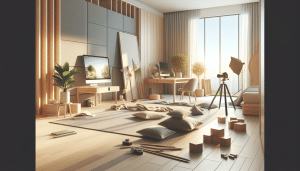
The art of furniture placement is equally important. Designers often leave generous walkways and accentuate sightlines to windows or curated displays. This not only lets natural light spread throughout the room but also encourages relaxation. Inviting textures—such as boucle, linen, or smooth ceramics—are then layered in to warm the atmosphere without adding clutter. Minimalist furniture works best as a harmonious ensemble, where each piece stands out for its utility or thoughtful beauty, fostering a cohesive, restful environment.
Neutral Colors and Natural Light Set the Mood
Color choice plays a crucial role in establishing the minimalist mood. Pale whites, soft beiges, and subtle greys are favored, making spaces feel brighter and more expansive. These tones offer a calm foundation, allowing every addition—from a plant to a painting—to be noticed. Minimalist palettes aren’t boring; instead, they invite peaceful energy, making even the smallest room appear open and uncluttered. The adaptability of neutral shades also means homeowners can occasionally rotate accent pieces for a refreshed look without overhauling everything (Source: https://www.housebeautiful.com/home-remodeling/interior-designers/a31085797/minimalist-design-tips/).
Lighting goes hand in hand with color. Maximizing natural sunlight is a pillar of minimalist interiors. Large windows, sheer curtains, and carefully placed mirrors amplify light and make rooms more inviting. When dusk falls, minimalists lean into floor lamps or pendants with simple forms, warm color temperatures, and dimmable options. These thoughtful lighting choices highlight clean surfaces and elegant corners, reinforcing the soothing character of the space. The result strikes a balance between practicality and atmospheric serenity.
Layered lighting strategies can introduce depth and comfort while adhering to minimalist principles. Under-cabinet strip lighting, streamlined sconces, or integrated LED solutions quietly illuminate spaces and reduce visual clutter. Combined with organic materials—such as bamboo shades or linen lampshades—these choices soften the overall effect. This considered approach to light and shade invites moments of pause and rest, reinforcing the sense of wellness that minimalist homes consistently deliver.
Embracing Functionality and Smart Organization
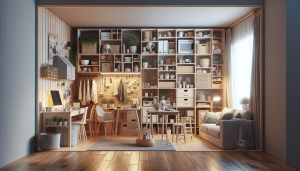
Minimalist homes excel in ingenious organization. Advocates invest in storage systems that keep daily essentials close at hand but visually hidden. Built-in cabinetry, under-bed drawers, and wall-mounted shelves seamlessly merge into the design, maintaining the illusion of openness without sacrificing utility. By assigning every item a dedicated spot, residents preserve the clean, intentional look while streamlining chores and reducing time spent on tidying (Source: https://www.apartmenttherapy.com/minimalist-organization-hacks-36810813).
Smart home devices also support minimalism. Wireless charging stations, voice-controlled lights, and hidden kitchen gadgets reduce the number of objects displayed on surfaces. This digital integration tightens the relationship between aesthetics and usefulness. Plus, clutter-free counters and floors make homes safer and easier to navigate. Storage solutions aren’t cookie-cutter; baskets, trays, and drawer dividers allow for personalization so that rituals and routines remain frictionless.
Minimalists value the habit of regular decluttering. Donating, recycling, or repurposing unused items keeps the home aligned with the minimalist mindset. Beyond physical benefits, this approach reduces decision fatigue, making everyday life less stressful. Many find that the simplicity spreads from rooms to daily behaviors, inspiring conscious choices. Whether folding laundry, preparing meals, or working at home, streamlined surroundings foster focus and well-being.
Personal Touches in Calm and Collected Spaces
Personalization can flourish in minimalist homes; it simply takes a different approach. The chosen decor tells a story—one or two favorite artworks, treasured pottery, or heirloom textiles can be focal points. Instead of filling walls with prints, a single framed photo on a crisp, white wall draws attention. Potted plants, sculptural vases, or meaningful books welcome warmth and individual identity without disturbing the calm. The result is a space that feels intentional and authentic (Source: https://www.dezeen.com/2019/11/12/minimalism-guide-interiors-design/).
Adopting minimalist design doesn’t mean erasing personality; on the contrary, it sharpens its focus. Home dwellers are encouraged to regularly rotate mementos and seasonal accents, giving each item its due moment. Handcrafted ceramics, textiles with history, or vintage finds can become understated highlights. Each piece is chosen with care, reflecting the tastes and experiences of those who live there.
Adding greenery and organic shapes may balance minimalist lines with gentle softness. From leafy fiddle leaf figs to delicate succulents, plants serve as living decor, connecting indoor spaces with nature. The textures and forms offer subtle complexity, all while reinforcing the calm that minimalism aims to achieve. This dance between individual flair and order, between simplicity and warmth, defines the trend’s popularity among a new generation of design enthusiasts.
The Wellness Benefits of Minimalist Spaces
Minimalist interiors are not just stylish—they support holistic well-being. Research highlights that reducing clutter may lower anxiety, improve mood, and even aid sleep for many individuals. A calming visual environment encourages a sense of control and reduced mental load. Natural light and organic forms work together to nurture comfort and optimism. This isn’t simply about having less, but about making room for restoration and self-care (Source: https://www.psychologytoday.com/us/blog/the-clearing/201801/why-less-stuff-means-more-happiness).
Minimalist homes prompt mindfulness by reducing distractions. People in such spaces find it easier to focus, whether reading, working, or connecting with loved ones. Flexible furniture layouts and intentional workflows foster daily routines that are stress-free and grounding. The visual clarity and spatial harmony many minimalists report offer lasting psychological benefits, laying the foundation for long-term satisfaction at home.
Finally, minimalism complements eco-conscious living. By curating what’s truly loved and used, homeowners help limit waste and conserve resources. The practice inspires thoughtful purchasing and upcycling, gradually creating homes that are both beautiful and sustainable. This gentle alignment of values and surroundings exemplifies why minimalist home design remains popular—and likely will for years to come.
References
1. Architectural Digest. (n.d.). Minimalist Home Decor. Retrieved from https://www.architecturaldigest.com/story/minimalist-home-decor
2. House Beautiful. (n.d.). Minimalist Design Tips. Retrieved from https://www.housebeautiful.com/home-remodeling/interior-designers/a31085797/minimalist-design-tips/
3. Apartment Therapy. (n.d.). Minimalist Organization Hacks. Retrieved from https://www.apartmenttherapy.com/minimalist-organization-hacks-36810813
4. Dezeen. (2019). Minimalism Guide for Interiors. Retrieved from https://www.dezeen.com/2019/11/12/minimalism-guide-interiors-design/
5. Psychology Today. (2018). Why Less Stuff Means More Happiness. Retrieved from https://www.psychologytoday.com/us/blog/the-clearing/201801/why-less-stuff-means-more-happiness
6. The Spruce. (n.d.). Minimalist Design: Ideas and Inspiration. Retrieved from https://www.thespruce.com/minimalist-design-ideas-4801815

 You Could Unlock Business Growth With Funding Advice