Interior Design Ideas for Family-Friendly Homes
Giulia Bianchi September 18, 2025
In 2025, more families are prioritizing family-friendly functional interiors—designs that deliver both durability and adaptability for busy lives. From modular furniture to washable fabrics, this trend helps parents, kids, pets, and life’s messes coexist with style and ease.
What’s Driving the Shift?
Several forces are pushing interior design toward more functional, family-friendly solutions:
- Time constraints & busyness. Families want spaces that reduce maintenance and fuss.
- Smaller urban homes. More people live in compact spaces, meaning every square metre must pull its weight.
- Environmental awareness. Durable, sustainable materials are becoming more than just nice-to-have—they make financial and ecological sense.
- Desire for style + resiliency. It’s no longer a trade-off: people want homes that look good and endure daily wear.
Key Trends in Family-Friendly Functional Interiors
Here are the main trends for 2025 in family-friendly, functional home design, along with ideas and tips.
1. Multifunctional Furniture & Adaptive Spaces
Spaces and pieces that serve more than one function are essential when room is at a premium.
- Convertible furniture. Sofas that become beds, ottomans with storage, extendable dining tables.
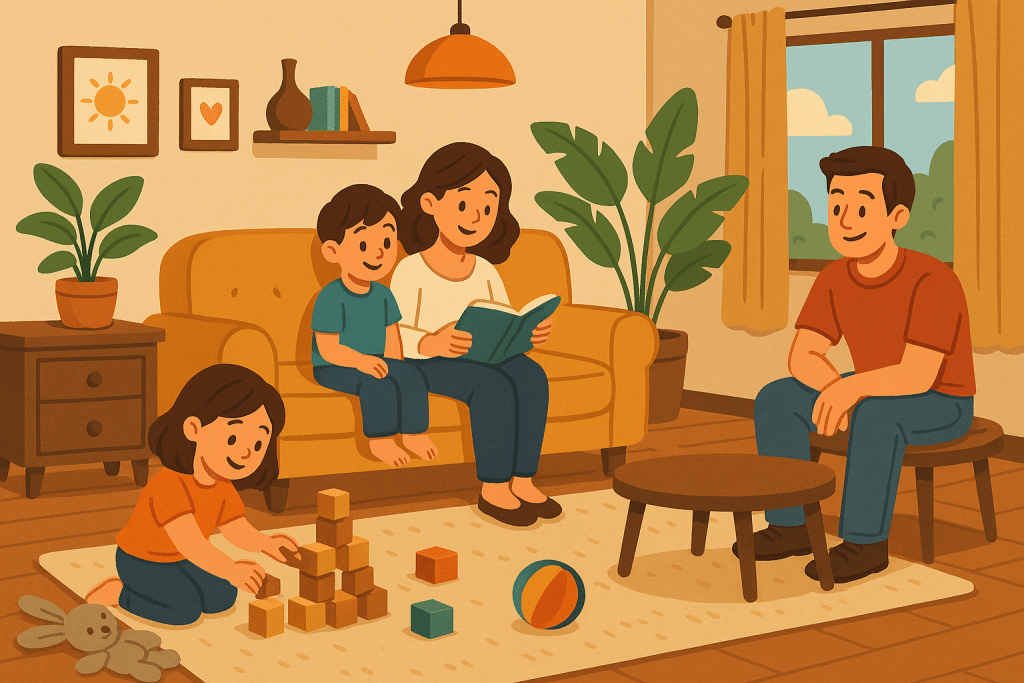
- Zoning with flexibility. Areas in living rooms that can transform from play zones for kids to work/study spots, often via modular shelving or sliding panels.
- Invisible storage. Built-ins, under-stairs storage, bench seating with lift-tops: anything that hides clutter without cutting down on utility.
These ideas tie into the broader trend of multifunctional furniture and multifunctional spaces as key design directions of 2025.
2. Durable & Easy-Care Materials
With kids, pets, spills, and plenty of movement, materials that can handle it all are taking centre stage.
- Performance fabrics. Fabrics treated to resist stains, moisture, fading. Microfiber, Crypton, and similar options are highlighted as ideal choices for family homes.
- Hard, resilient flooring. Engineered hardwood, certain laminates, stone or porcelain tiles that resist crumbs, dirt, and high foot traffic.
- Easy-clean finishes. Matte or satin surfaces that don’t show smudges, washable paints, countertop materials like quartz that resist staining.
- Rounded edges & safe design. Furniture with smoother corners; fixtures shaped to reduce risk for small children. Safety is part of the durability conversation. (Note: supported by materials and ergonomic design principles in family-friendly design literature.)
3. Integrated Technology That Blends In
Tech features are being included more subtly so they add function without becoming eyesores or hazards.
- Hidden charging stations, wireless charging furniture
- Built-in lighting controlled via apps or sensors, so spaces can shift (play, study, relax) easily
- Smart storage solutions: e.g. cabinets with soft-close, touch-to-open, or modular inserts for kids’ items
Design trend reports list “discreet tech” or “integrated technology” as part of what makes a functional home feel modern yet family-friendly.
4. Zones for Kids + Dedicated Family Areas
Designing entire zones in a home with children’s needs in mind, without giving up on overall aesthetics.
- Play & learning corners. Tucked-away but visible: maybe near kitchen, in living room. Use easy-clean rugs or mats; storage for toys.
- Family hubs. Open-plan kitchens or dining areas that allow parents to supervise kids while cooking or working.
- Drop zones or mudrooms. Where backpacks, shoes, coats, pets gear get organized—keeps mess from spreading into living spaces.
5. Sustainability & Longevity
What’s family-friendly is increasingly tied to what’s sustainable: durable items that last, ethically produced materials, minimal waste.
- Recycled or reclaimed wood furniture; non-toxic finishes
- Eco-friendly fabrics, like those using natural fibres or recycled synthetics
- Buying quality, repairability over cheap disposables
Trend reports for 2025 emphasise sustainability in home design as a key priority.
How to Put These Trends into Practice: A Practical Guide
Here’s a step-by-step approach to applying family-friendly functional interiors in your home.
- Audit Your Daily Routines
Write down where your biggest friction is (toy pile-ups, cooking while supervising kids, muddy shoes at the door). That will guide where to focus your design upgrades. - Choose Priority Rooms
If budget or time is limited, start with the spaces most used: living room, kitchen, play area. - Select Multifunctional Pieces First
For example, choose a dining table with leaves; a TV stand with storage; ottomans that double as seating + storage. - Pick Materials Carefully
Look for performance fabrics, stain-resistant surfaces, washable rugs, finishes that hide everyday dirt. Consider textures that disguise wear (slightly rough weave, patterns) and protect against spills. - Design in Zones
Use rugs, shelves, screens or furniture to define areas: a place for play, a place for rest, a place for work. Make transitions logical (e.g. play near kitchen so parents can monitor). - Integrate Safety & Child-Proofing, Invisibly
Hidden outlets, rounded edges, cabinet latches behind doors, durable non-slip flooring. These don’t have to look institutional—they can be part of the design. - Plan Storage Nuances
Under-stairs, overhead shelving, built-ins. Think about where clutter emerges and design storage tailored to that: toy boxes, bins, labels. - Add Tech Where it Helps, Not for Show
Smart lighting, motion sensors, touchless faucets, charging stations built into desks or side tables. Keep cables hidden. - Commit to Style So It Feels Like Home
You don’t want a sterile, overly utilitarian space. Bring in color, texture, art. Use warm woods, plants, soft lighting so the home feels cozy even while being tough.
Examples & Case Studies
- A household in a compact urban apartment used a wall-bed + fold-away desk to allow a guest room / study dual purpose.
- Families choosing performance fabrics (microfiber, Crypton) report fewer headaches with stains and cleaning. The UK retailer SofaSpectacular highlights microfiber as standing up to everyday messes with kids and pets.
- Designers combining kitchen, dining, and family rooms into open layouts but using zones (rugs, lighting, furniture arrangement) so areas feel distinct yet flow. This is referenced in decor trend reports for 2025.
Challenges & Trade-Offs
While family-friendly functional interiors offer many benefits, there are some things to watch out for:
- Cost: High-quality durable materials, multifunctional furniture, and built-in storage tend to cost more upfront.
- Style vs Function: Sometimes durable surfaces or washable fabrics aren’t as luxe in feel or look; need careful selection.
- Overstuffing with Features: Trying to make everything multifunctional can make spaces feel cluttered or confusing. Simplicity still matters.
- Maintenance Expectations: Even durable surfaces require care; invisible tech or soft surfaces still have limits.
What’s Coming Next
Looking ahead, these are extensions or emerging directions likely to grow:
- Adaptive / robotic furniture: Pieces that move, change shape, or fold automatically. (Early research is emerging on robotic furniture gestures and design systems.)
- AI-aided design layouts: Tools that help families plan rooms automatically based on usage, children’s ages, lifestyle.
- Biophilic & wellness design blended with function: Natural light, indoor plants, air quality, noise reduction built in with zoned layouts for calm.
- More local & artisanal durability: Buying locally made furniture that’s repaired rather than replaced, using fabrics / materials suited to local climate and wear patterns.
Conclusion
Designing a home that works well for a family doesn’t have to mean sacrificing beauty. With family-friendly functional interiors, you can combine durability, ease of maintenance, smart storage, flexible furniture, safety, and style into spaces that support your everyday life. By choosing the right materials, thinking ahead about usage, and focusing on multifunctionality, your home becomes not just a showpiece—but a haven where family life feels easier and more joyful.
References
- Better Homes & Gardens. (2023) Family-friendly living room ideas: Stylish and practical designs. Available at: https://www.bhg.com (Accessed: 18 September 2025).
- Houzz. (2022) 10 tips for designing a kid-friendly home without sacrificing style. Available at: https://www.houzz.com/ (Accessed: 18 September 2025).
- Architectural Digest. (2021) Creating family-friendly interiors that balance beauty and functionality. Available at: https://www.architecturaldigest.com (Accessed: 18 September 2025).

 How to Balance Corporate Responsibility With Profit