Smart Home Innovations That Save Time and Energy
Giulia Bianchi October 3, 2025
Smart home technology is no longer a luxury—it is becoming essential for modern households aiming to save time, reduce energy consumption, and improve overall efficiency. As the pace of life accelerates, homeowners increasingly seek solutions that streamline daily routines while contributing to sustainability. Smart innovations allow families to manage lighting, heating, security, and appliances with minimal effort, ensuring comfort without compromising environmental responsibility. According to the U.S. Department of Energy, integrating smart home devices can reduce household energy use by up to 20%, highlighting their tangible benefits for both the environment and the wallet.
Smart Lighting Solutions
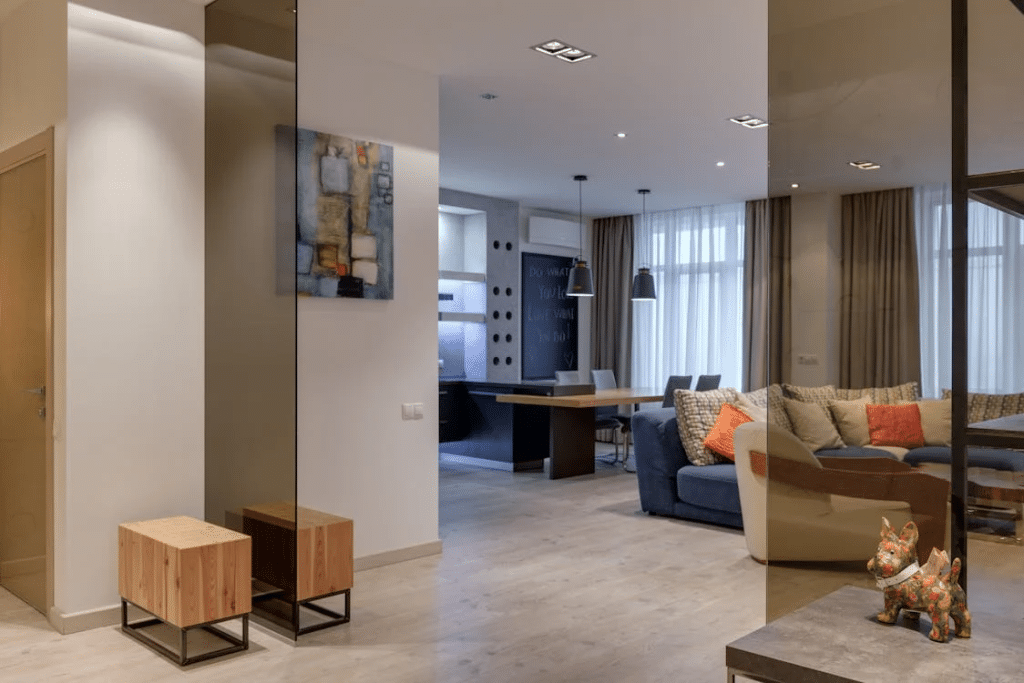
Lighting is a significant part of a home’s energy consumption. Smart lighting systems, including LED bulbs with motion sensors, automated schedules, and remote control via apps, enable homeowners to manage illumination efficiently. These systems adjust brightness according to natural daylight, detect room occupancy, and even allow voice control through assistants like Alexa or Google Assistant. For example, a study by Energy Saving Trust found that homes using smart lighting can reduce electricity consumption by 15–25%, depending on usage patterns. Beyond energy savings, smart lighting enhances convenience and security, as homeowners can simulate occupancy when away from home.
Intelligent Thermostats
Heating and cooling represent the largest portion of household energy use. Smart thermostats optimize climate control by learning routines and adjusting temperatures automatically. Features include remote access through smartphone apps, geofencing that detects when residents are home or away, and adaptive algorithms that maintain comfort while minimizing energy waste. Devices like the Nest Learning Thermostat or Ecobee Smart Thermostat have been proven to reduce energy costs by up to 12–15% on heating and cooling bills, making them both environmentally friendly and cost-effective.
Automated Home Appliances
Smart appliances extend automation to daily chores, saving both time and energy. Washing machines that adjust water levels based on load, ovens that preheat remotely, and refrigerators that monitor food expiration are increasingly common. These appliances often connect to apps that track usage, offer energy-saving suggestions, and even enable scheduling to operate during off-peak hours. According to a report in the International Journal of Sustainable Smart Homes, integrating smart appliances can reduce household energy consumption by an additional 10%, contributing to overall efficiency.
Smart Plugs and Energy Management
Smart plugs allow homeowners to control individual devices remotely, preventing phantom energy losses from electronics in standby mode. Automated schedules can ensure that lights, chargers, and small appliances operate only when necessary. The ability to monitor energy use in real time provides insight into consumption patterns, encouraging more sustainable habits. Studies indicate that households using smart plugs for essential electronics can reduce electricity waste by 5–10%, depending on device usage.
Voice-Activated Home Assistants
Voice-activated assistants centralize control of multiple smart devices, simplifying everyday tasks. Users can adjust lighting, thermostat settings, or home security with simple voice commands. These assistants not only save time but also improve accessibility for individuals with mobility challenges or busy schedules. Integration with calendar apps, reminders, and to-do lists further enhances productivity, allowing homeowners to focus on priorities without manual management of household systems.
Advanced Home Security Systems
Modern smart security systems provide reliable monitoring and control, saving time and improving safety. Features include motion-detecting cameras, automated door locks, video doorbells, and alerts sent to smartphones. Remote monitoring ensures homeowners can check on their property from anywhere, reducing the need for physical checks. According to a report from SafeWise, homes using smart security systems experience higher security satisfaction and reduced false alarms, providing peace of mind alongside time efficiency.
Water Management Innovations
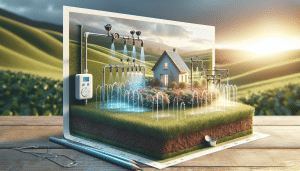
Water conservation is another area where smart home technology excels. Smart irrigation systems automatically adjust watering schedules based on weather forecasts and soil conditions, reducing unnecessary water use. Leak detection sensors provide immediate alerts to prevent damage and excessive water waste. For example, Rachio Smart Sprinkler Systems have been shown to reduce outdoor water use by 30%, contributing to sustainability goals and lower utility bills.
Interconnected Smart Home Ecosystems
The latest trend in home automation involves fully interconnected systems where lighting, climate, security, appliances, and energy management communicate seamlessly. AI-driven systems can analyze household patterns, predict needs, and optimize resource usage automatically. This level of integration allows homes to operate efficiently without constant user intervention, creating an environment that balances comfort, convenience, and energy conservation.
Benefits of Smart Home Innovations
Adopting smart home technology provides multiple benefits:
- Energy Savings: Optimized use of lighting, heating, and appliances lowers electricity and water bills.
- Time Efficiency: Automation of routine tasks frees up time for work, hobbies, and family activities.
- Sustainability: Reduced energy and water consumption contribute to environmental conservation.
- Safety and Security: Remote monitoring and automated alerts improve household safety.
- Increased Property Value: Homes equipped with smart systems often command higher market value.
These advantages demonstrate that smart homes are not only convenient but also practical investments in long-term efficiency.
Emerging Trends in Smart Home Technology
- AI-Driven Energy Management: Systems now analyze energy use and automatically adjust devices to optimize efficiency.
- Sustainable Integration: Solar panels, battery storage, and energy-efficient appliances are increasingly combined with smart systems.
- Remote Health Monitoring: Smart devices can now track environmental factors like air quality, which impact health and energy use.
- Predictive Maintenance: Smart sensors detect issues in appliances before they escalate, saving time and money on repairs.
These trends suggest that smart homes will continue evolving, offering even more ways to save time, conserve energy, and improve quality of life.
Conclusion
Smart home innovations transform modern living by providing convenience, efficiency, and sustainability. From smart lighting and thermostats to automated appliances, plugs, and security systems, these technologies save time while reducing energy consumption. Emerging trends in AI integration, predictive maintenance, and sustainable design promise even greater efficiency in the years ahead. Investing in smart home solutions benefits homeowners, the environment, and overall lifestyle, ensuring that daily routines become simpler, safer, and more efficient.
References:
- U.S. Department of Energy. (2023). Smart Home Technologies for Energy Efficiency. https://www.energy.gov
- Energy Saving Trust. (2024). How Smart Appliances Reduce Consumption. https://energysavingtrust.org.uk
- International Journal of Sustainable Smart Homes. (2023). Emerging Trends in Home Automation. https://www.tandfonline.com
- SafeWise. (2023). Smart Home Security Systems: Efficiency and Safety. https://www.safewise.com

 Gardening Ideas That Improve Outdoor Aesthetics