Gardening Ideas That Improve Outdoor Aesthetics
Giulia Bianchi October 3, 2025
A well-designed garden enhances the beauty of any property while creating a relaxing environment. Outdoor aesthetics not only improve curb appeal but also contribute to mental well-being. Studies show that spending time in visually pleasing green spaces reduces stress and improves mood. Thoughtful gardening strategies can transform ordinary outdoor areas into striking landscapes that balance color, texture, and functionality.
Planning Your Garden Layout
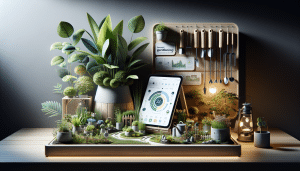
Before planting, it is crucial to plan your garden layout. Consider factors such as sunlight, soil quality, and available space. Creating zones for flowers, vegetables, shrubs, and walkways ensures a harmonious design. Using sketches or digital garden planning tools helps visualize the end result, making it easier to coordinate colors, plant heights, and seasonal blooms.
Choosing Plants for Visual Impact
Selecting plants that complement each other in color, shape, and texture is key to improving outdoor aesthetics. Combining perennials and annuals ensures year-round interest, while incorporating evergreens provides structure during winter. Native plants are an excellent choice because they thrive in local conditions, require less maintenance, and support local wildlife. Plants with varied foliage shapes and colors can add depth and dimension to your garden.
Incorporating Hardscaping Elements
Hardscaping elements like pathways, patios, garden walls, and water features enhance garden aesthetics while providing functionality. Stone or brick paths guide visitors through the garden, creating a sense of order. Water features such as fountains or small ponds add movement, reflect light, and create a tranquil atmosphere. Choosing materials that match the style of your home creates a cohesive look across the property.
Seasonal Color Strategies
Color is one of the most impactful ways to improve outdoor aesthetics. Planting flowers that bloom at different times of the year ensures continuous vibrancy. Spring bulbs such as tulips and daffodils can be paired with summer perennials like coneflowers and daylilies. Autumn foliage and late-blooming perennials extend visual interest into the fall, while evergreens maintain structure in winter. This approach ensures your garden remains visually engaging year-round.
Using Vertical Space Effectively
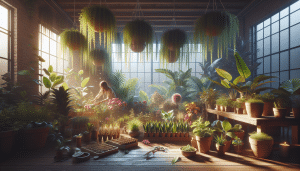
Vertical gardening techniques add dimension and interest, especially in small yards. Trellises, hanging baskets, and wall-mounted planters allow you to grow climbing plants, flowers, or even vegetables without occupying ground space. Vertical gardens create focal points and can serve as natural screens for privacy or to hide unsightly areas. Incorporating vines, flowering climbers, or even ornamental grasses enhances the visual appeal while maximizing space.
Creating Focal Points
Every well-designed garden needs focal points to draw the eye and create balance. Focal points can include a striking tree, a sculpture, a bench, or a water feature. Placing these elements strategically in line with sightlines or pathways ensures they attract attention without overwhelming the surrounding plants. Grouping several smaller features together can also create interest and guide movement through the garden.
Lighting for Outdoor Beauty
Garden lighting extends the enjoyment of your outdoor space into the evening. Well-placed lights can highlight plants, pathways, and architectural features. Solar-powered lights are energy-efficient and easy to install, while LED fixtures provide long-lasting illumination. Uplighting trees or installing string lights along patios adds ambiance and accentuates the aesthetic appeal of your garden after dark.
Sustainable Gardening Practices
Sustainability enhances both aesthetics and environmental responsibility. Composting kitchen waste, using rainwater collection systems, and incorporating native plants reduce resource use and support ecosystem health. Sustainable gardens often look more natural and cohesive, with less need for chemical fertilizers or excessive watering. These practices also attract pollinators and wildlife, adding life and movement that enhance the overall visual appeal.
Integrating Functional Features
Functional features such as seating areas, outdoor kitchens, or garden sheds can complement your garden’s aesthetic. Choosing designs and materials that harmonize with plants and hardscaping elements ensures these features enhance rather than detract from the garden’s beauty. Multi-purpose spaces allow homeowners to enjoy outdoor activities while maintaining a visually appealing environment.
Enhancing Curb Appeal
For homeowners, the front yard is the first impression. Incorporating garden beds with layered plantings, decorative borders, and trimmed hedges creates an inviting look. Pathways, lighting, and focal points guide visitors and highlight the property’s best features. A well-maintained and visually appealing garden increases property value while providing enjoyment for residents and neighbors alike.
Trends in Garden Design
Modern garden design trends emphasize simplicity, sustainability, and year-round interest. Minimalist gardens use clean lines, neutral materials, and strategic plant selection to create a calm, contemporary look. Pollinator-friendly gardens with flowering plants attract bees and butterflies while supporting biodiversity. Mixed-use gardens combine vegetables, flowers, and ornamental plants for both visual appeal and productivity. Staying updated with trends can inspire innovative ideas for enhancing your outdoor space.
Conclusion
Improving outdoor aesthetics through thoughtful gardening transforms a property into a visually engaging and enjoyable environment. Planning layouts, selecting plants carefully, using vertical space, incorporating hardscaping, and integrating lighting and focal points all contribute to a harmonious garden. Sustainable and functional designs further enhance beauty while supporting environmental responsibility. By applying these gardening ideas, homeowners can create outdoor spaces that are not only aesthetically pleasing but also practical, sustainable, and welcoming throughout the year.
References:
- Royal Horticultural Society. (2023). Garden Design and Plant Selection. https://www.rhs.org.uk
- U.S. Department of Agriculture. (2022). Sustainable Landscaping Practices. https://www.usda.gov
- Better Homes & Gardens. (2023). Creative Garden Ideas for Outdoor Spaces. https://www.bhg.com
- Journal of Landscape Architecture. (2023). Trends in Residential Garden Design. https://www.tandfonline.com

 Wellness Practices That Support Emotional Balance