Interior Design Ideas That Enhance Productivity
Giulia Bianchi October 8, 2025
The way we design our living and working spaces directly affects how we think, feel, and perform. In 2025, more people are rethinking the role of design—not just for beauty, but also for function. Whether you are working remotely, managing a creative project, or simply seeking more focus in your daily life, interior design ideas that enhance productivity can transform your environment into a tool for success.
Moreover, design is no longer seen only as decoration. Instead, it has become a science-backed method of supporting energy levels, concentration, and motivation. From light and layout to color psychology and ergonomics, thoughtful design choices can make a measurable difference in performance.
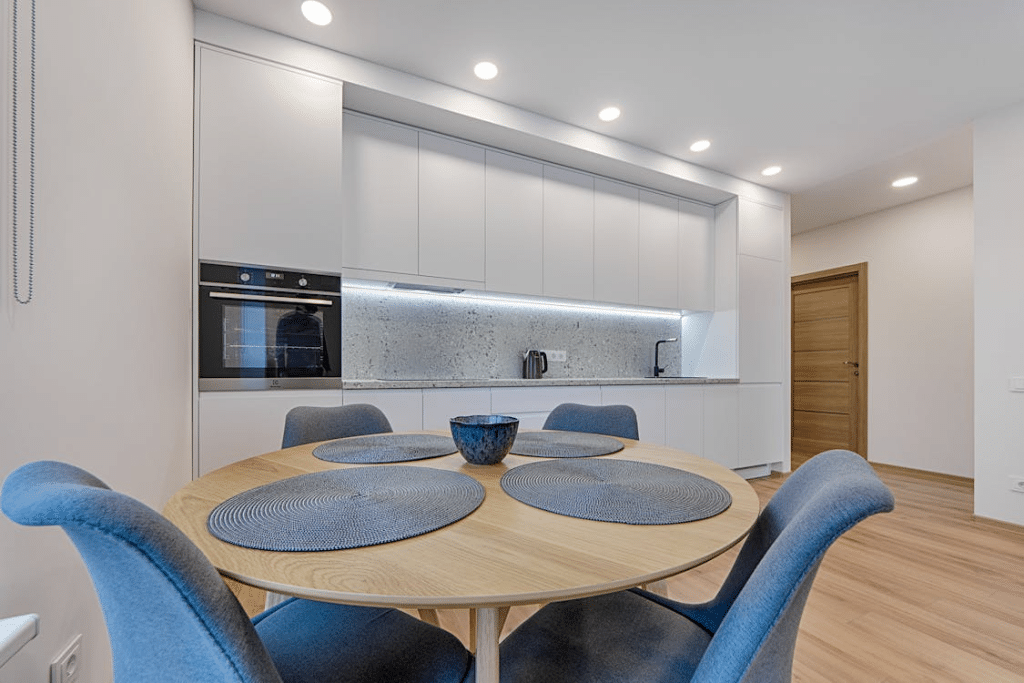
Why Interior Design Affects Productivity
Our environment constantly influences behavior. For instance, cluttered or poorly lit spaces often lead to stress and distraction, while organized, well-designed spaces improve focus and efficiency. In fact, studies show that:
- Lighting impacts energy and circadian rhythm.
- Colors affect mood and creativity.
- Furniture arrangement influences workflow and movement.
- Acoustics play a role in concentration and relaxation.
Therefore, interior design is more than aesthetic—it is a productivity strategy.
Interior Design Ideas That Enhance Productivity
1. Optimize Natural Light
Natural light has one of the most powerful effects on productivity.
- Place desks near windows to maximize daylight exposure.
- Use sheer curtains to filter brightness without blocking sunlight.
- Incorporate mirrors to reflect light deeper into the room.
As a result, natural light reduces fatigue, boosts mood, and aligns the body’s natural rhythm.
2. Choose Productivity-Boosting Colors
Colors influence mood and focus in subtle but significant ways.
- Blue tones encourage calm and concentration.
- Green supports balance and creativity.
- Yellow stimulates optimism and energy.
- Neutral shades reduce overstimulation and promote clarity.
Therefore, choosing the right color palette helps align the space with the tasks at hand.
3. Invest in Ergonomic Furniture
Ergonomics directly affects comfort and efficiency.
- Adjustable chairs and desks reduce strain.
- Standing desks support better posture and circulation.
- Ergonomic accessories like footrests or monitor arms improve alignment.
Ultimately, a comfortable setup prevents fatigue and supports long-term productivity.
4. Declutter with Smart Storage
Clutter often leads to stress and distraction.
- Floating shelves free up desk space.
- Drawer organizers reduce visual chaos.
- Hidden storage solutions keep supplies accessible but out of sight.
Consequently, a tidy space creates mental clarity and focus.
5. Incorporate Biophilic Design
Nature-inspired elements boost both mental and physical health.
- Add indoor plants to improve air quality.
- Use natural materials like wood and stone for grounding.
- Design layouts that maximize outdoor views.
Biophilic design connects people with nature, improving creativity and reducing stress.
6. Balance Acoustics
Sound can be either a distraction or a motivator.
- Soft furnishings absorb noise in busy spaces.
- White noise machines or calming soundscapes reduce distractions.
- Zoning work areas away from high-traffic spots creates quiet focus zones.
Thus, thoughtful acoustic design promotes concentration.
7. Create Dedicated Zones
Multifunctional spaces often need clear divisions.
- Define work, relaxation, and social areas with rugs or furniture placement.
- Use partitions, shelves, or even plants to create subtle boundaries.
- Avoid blending work and leisure zones to maintain balance.
This zoning method helps train the brain to shift into the right mode for each activity.
8. Use Art and Personal Touches
A productive space should also feel inspiring.
- Artwork stimulates creativity and expression.
- Vision boards remind users of long-term goals.
- Personal photos add emotional connection without overwhelming focus.
In addition, personalization makes the environment more engaging.
9. Incorporate Technology Thoughtfully
Smart tools streamline tasks but should not dominate the environment.
- Wireless charging stations reduce clutter.
- Smart lighting adjusts brightness based on time of day.
- Noise-canceling headphones or virtual assistants support focus.
When used intentionally, technology enhances rather than distracts.
10. Prioritize Flexibility in Design
Modern lifestyles require adaptable spaces.
- Modular furniture adapts to different needs.
- Foldable desks or chairs create space in smaller homes.
- Multi-use rooms allow for transitions between work, exercise, and rest.
Flexibility ensures that spaces remain functional even as needs change.
Practical Tips for Applying These Ideas
- Start with small adjustments like lighting or color before big changes.
- Combine function with style to avoid choosing one over the other.
- Test different layouts to see what feels most efficient.
- Use a balance of minimalism and personalization for both clarity and comfort.
- Reassess spaces every few months to make adjustments.
These steps ensure that productivity improvements last long term.
Trends in Productivity-Focused Design for 2025
Design in 2025 continues to merge wellness and productivity. Current trends include:
- Smart homes with AI integration – Automated lighting and climate adjustments improve focus.
- Hybrid home-office spaces – Homes double as professional workspaces.
- Eco-friendly materials – Sustainable design supports mental well-being.
- Wellness-focused design – Combining ergonomics with mindfulness features.
Thus, productivity is increasingly seen as part of a holistic lifestyle.
The Bottom Line
Design is more than aesthetics—it is an investment in performance. By applying interior design ideas that enhance productivity, individuals can create spaces that encourage focus, energy, and creativity. From lighting and ergonomics to zoning and personalization, small changes have a major impact on efficiency.
In 2025, the most effective spaces are those that balance comfort, inspiration, and adaptability. When design aligns with daily needs, productivity becomes a natural outcome.
References
- Architectural Digest. (2025). Interior design trends that improve focus and performance. Retrieved from https://www.architecturaldigest.com
- Psychology Today. (2024). The psychology of space and productivity. Retrieved from https://www.psychologytoday.com
- House Beautiful. (2024). Design ideas to create efficient and inspiring spaces. Retrieved from https://www.housebeautiful.com

 Fitness Challenges That Keep You Motivated