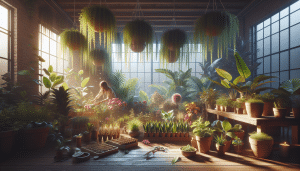
You Can Create a Thriving Pollinator Garden
Giulia Bianchi October 14, 2025
Transform your outdoor space into a lively sanctuary for bees, butterflies, and more. Discover how a pollinator garden supports biodiversity, enhances your landscape, and provides ongoing beauty while helping the environment. This guide covers planning, plant selection, soil secrets, seasonal care, and expert-recommended resources.
Understanding Pollinator Gardens and Their Impact
Pollinator gardens create vibrant habitats that support essential creatures such as bees, butterflies, moths, and hummingbirds. By integrating flowering plants that produce abundant nectar and pollen, gardeners can play a critical role in boosting local ecosystems. These landscape features offer more than visual beauty—they actively contribute to ecological health and food security by encouraging pollinators that fertilize fruits, vegetables, and nuts. When planning a pollinator-friendly space, variety matters. Certain perennials, annuals, and shrubs attract diverse pollinator species throughout the growing season, ensuring continuous activity and vibrant color in the home garden.
For homeowners and gardening enthusiasts, pollinator gardens represent an opportunity to foster sustainability within their own backyards. The popularity of native plant gardening is increasing, mainly because native flora provides essential food and shelter for local pollinators. This approach reduces reliance on chemical pesticides and fertilizers, resulting in healthier soils and cleaner water. Communities benefit when individual gardeners consider bees, butterflies, and birds in their landscape design. The ripple effects span neighborhoods and cities, sustaining agriculture and increasing nature’s presence close to home.
Research points to alarming declines in pollinator populations worldwide. Loss of wildflower habitats, pesticide exposure, and climate fluctuation drive these shifts. However, residents can counteract these trends by dedicating areas of their gardens to suitable plants and habitat features. Simple changes—such as clustering plants or providing nesting sites—can make a sizable difference for insects and birds. The collective effort of many home gardens can shape pollinator-friendly corridors, connecting fragmented habitats one yard at a time. Learn more about these benefits through this resource.
Selecting the Best Plants for Pollinators
Choosing the right plants is crucial for a flourishing pollinator garden. Natives top the list since they’re adapted to local climates and soil, providing reliable nutrition to regional pollinator species. Gardeners should aim for a mix of flowering plants that bloom at different times, ensuring resources are available from early spring until late fall. Options include wildflowers such as coneflowers, milkweed, columbine, coreopsis, and asters. Shrubs like butterfly bush and hydrangea, as well as trees like redbud, also offer valuable resources to visiting pollinators.
Consider plant color, shape, and nectar content. For instance, bees are attracted to blue, yellow, and white blossoms with open shapes, while butterflies seek vibrant pinks and purples with landing pads. Tubular flowers such as honeysuckle are favorites of hummingbirds and certain moths. Grouping several of the same plant together, known as massing, increases visibility and foraging opportunities. This tactic not only benefits pollinators but also creates stunning color blocks that add structure and rhythm to your landscape.
In addition to flowers, include larval host plants—essential for butterfly and moth caterpillars. Milkweed supports monarchs, parsley helps swallowtails, and violets provide for fritillaries. Avoid planting hybrid ‘double’ blooms; while beautiful, they offer little nectar. It’s best to consult local garden centers or extension offices, which often provide pollinator plant lists tailored to your growing zone. Evaluate sunlight, drainage, and soil conditions to choose the most compatible species. More guidelines and research-backed plant recommendations can be found at the Xerces Society Pollinator Resource Center.
Soil Health and Sustainable Practices
Healthy soil is the backbone of every successful garden, even more so for pollinator-friendly designs. Robust soil supports plant productivity and resilience, ensuring dependable nectar and pollen throughout the season. Compost and organic mulch enrich the ground, retain moisture, and regulate soil temperature without harmful chemicals. Such natural amendments also foster beneficial microbes and earthworms—improving structure, nutrient availability, and plant health. Avoiding synthetic herbicides and pesticides is critical, as these substances can harm beneficial insects, reducing the overall impact of pollinator gardens.
Incorporating sustainable strategies reduces maintenance and benefits the ecosystem. For example, leaving autumn leaf litter undisturbed provides overwintering shelter for butterflies, moths, and other helpful creatures. Naturalistic designs that mimic wild meadows allow for a gentle layering of perennials, grasses, and groundcovers. Rainwater harvesting and drip irrigation ensure efficient water use. Over time, soil that is regularly replenished with compost and mulch becomes richer and more drought-tolerant, creating a low-maintenance perennial garden ideal for pollinators and homeowners alike.
Making the switch to sustainable gardening can seem daunting, but even small efforts make lasting change. The reduction of turf grass, for instance, results in less watering and mowing, freeing up space for meadows or pollinator patches. When caring for your garden, opt for hand-weeding or spot-treat weeds with hot water instead of reaching for chemical sprays. Test soil annually and adjust amendments as needed. Explore tips, soil management tools, and pollinator garden success stories at the NRCS Pollinator Habitat Guide.
Attracting a Diverse Range of Pollinators
A garden’s true power emerges from its biodiversity. Broadening the appeal to many pollinators creates resilient habitats that withstand seasonal fluctuations and pest outbreaks. In addition to a variety of blooming plants, offer water sources such as shallow birdbaths with pebbles or mud puddles for butterflies to sip and rest. Include structures like logs, small brush piles, or bee hotels to accommodate native bees and other beneficial insects. These simple features transform a garden from a single-purpose space into a living community where life thrives year-round.
It’s important to recognize different pollinator needs during their lifecycles. For instance, some native bees nest in bare patches of soil while others burrow in old stems. Leave sections of your garden undisturbed—not every space must be neat and manicured. Trees and hedges provide shelter from weather, while layers of vegetation offer safe passage from predators. The more diverse the habitats, the greater the number of species that will visit and remain in your landscape. Birdwatchers and butterfly enthusiasts often find continuous surprises in such dynamic spaces.
Research from conservation organizations shows a direct link between urban gardens and wild pollinator diversity. Urban and suburban habitats, if managed intentionally, may support rare or threatened species. Residents can join citizen science programs to track pollinator activity, contributing valuable data while enjoying firsthand observation of their garden’s guests. Pollinator gardens present a unique blend of ecology, science, and artistry. Helpful insights, volunteer projects, and data collection opportunities are available from the Pollinator Partnership.
Maintaining Pollinator Gardens Year-Round
Ongoing care ensures pollinator gardens remain wild yet welcoming. Start in early spring by removing only some debris, letting overwintering insects emerge. Prune dead stems judiciously while leaving some upright as habitat for bee larvae. As plants grow, check for signs of drought or disease and water as needed. Mulch can be replenished to suppress weeds and protect roots, but allow small gaps for ground-nesting bees. Staggering maintenance tasks throughout the season keeps the garden attractive and functional for both wildlife and humans.
Summer brings a surge in blooms and pollinator activity. Deadheading spent flowers encourages further blooming and prevents self-seeding of aggressive species. Keep watch for beneficial insects and tolerate minor pest damage for the sake of overall ecological balance. Use physical barriers, such as floating row covers, sparingly and only when necessary. In late summer and fall, let some plants go to seed—this supplies food for birds and ensures natural replanting. Consider documenting seasonal changes in a garden journal to inform future planning.
In autumn, leave perennial stems and seed heads standing until late winter. These provide critical shelter and forage. Avoid heavy raking or cutting until temperatures consistently warm. Planning for succession planting and rotating annuals ensures that the garden remains colorful and productive over time. Rely on local extension advice and pollinator-friendly guidelines when scheduling large projects or plantings. For year-round tips and maintenance calendars, the University of Minnesota Extension Pollinator Gardening Guide offers practical direction.
Connecting with Community Initiatives and Resources
Pollinator gardens flourish when supported by community awareness and collaboration. Neighborhood gardening groups, conservation projects, and local workshops share practical tips and seeds, making it easier for new gardeners to participate. Some cities and towns offer incentives, such as native plant discounts or recognition for pollinator-friendly yards. By joining local networks, gardeners can exchange plants, advice, and volunteer time to expand the reach of pollinator corridors. Gardening together also builds social connections and collective pride in neighborhood biodiversity.
Many organizations provide free or low-cost resources, including plant lists, design templates, and online mapping of certified habitats. Specialized training programs and citizen science initiatives give community members a way to track pollinator populations and educate neighbors. Schools participate through pollinator gardens as outdoor classrooms, introducing children to hands-on science and conservation. State and county extension offices often publish workshops, webinars, and articles on sustainable gardening for pollinators. These initiatives inspire more people to take action—one yard at a time.
Success stories highlight the real-world outcomes of pollinator garden projects. Residents have witnessed the return of rare butterflies, documented increased harvests in backyard vegetable plots, and seen previously barren spaces transform into vibrant wildlife havens. Collaboration amplifies these wins, drawing new participants and resources. If curious about starting or joining a pollinator garden campaign, explore the resources from the United States Forest Service for a collection of guides, links, and community stories.
References
1. U.S. Forest Service. (n.d.). Gardening for Pollinators. Retrieved from https://www.fs.fed.us/wildflowers/pollinators/gardening.shtml
2. Xerces Society. (n.d.). Pollinator Resource Center. Retrieved from https://www.xerces.org/pollinator-resource-center
3. USDA NRCS. (n.d.). Pollinator Habitat Establishment Guide. Retrieved from https://www.nrcs.usda.gov/resources/guides-and-instructions/pollinator-habitat-establishment-guide
4. Pollinator Partnership. (n.d.). Gardens. Retrieved from https://www.pollinator.org/gardens
5. University of Minnesota Extension. (n.d.). Pollinator-friendly Gardening. Retrieved from https://extension.umn.edu/flowers/pollinator-friendly-gardening
6. United States Forest Service. (n.d.). Pollinator Gardens. Retrieved from https://www.fs.usda.gov/learning-center/garden-wildlife/pollinator-garden

 Hidden Beach Destinations You Might Love