Hidden European Train Routes You’ll Want to Experience
Adrian Park October 23, 2025
Uncover the magic of Europe by discovering unique train journeys that reveal hidden destinations and unforgettable landscapes. This article guides you through scenic routes, essential tips for rail travel, and ways to make the most of your adventure, blending convenience and culture for every explorer.
Discover Lesser-Known Scenic Train Journeys
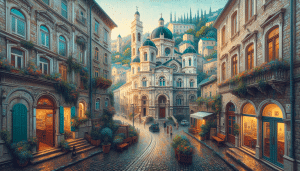
One of the greatest joys of European travel is finding breathtaking train routes that many travelers overlook. While iconic lines like the Orient Express get the headlines, there are picturesque journeys weaving through valleys, forests, and ancient towns that remain secrets to most. Think of routes across Switzerland’s lakes, the remote fjords of Norway, or Slovenia’s emerald countryside. These paths offer not only spectacular scenery but also a sense of peaceful solitude you may not find on busier lines. With each stop, passengers can immerse themselves in authentic, off-the-beaten-track villages that deliver remarkable cultural discoveries.
Why do these lesser-known railway adventures matter? They provide a slower, more immersive way to see Europe without the stress of airports or highways. Travelers comfortable with a flexible itinerary often find joy in hopping off at smaller stations, uncovering local cuisine, and enjoying spontaneous moments that become lifelong memories. Whether rolling past fields decked with sunflowers in southern France or gliding over viaducts carved into the Spanish hills, there’s a magical calm to these journeys. The rhythm of the rails itself often connects passengers to Europe’s natural beauty in a way that’s deeply personal and restorative.
For many, rail travel evokes nostalgia and curiosity. Every route has a story, shaped by the centuries-old stations and trains that have traversed them for decades. Accessibility is rarely a concern—most of these lines are connected to Europe’s broader rail network, including the Eurail and Interrail systems studied by transport institutes (Source: https://www.eurail.com/en/get-inspired/trains-europe/scenic-train-routes). For seasoned travelers and first-timers alike, these hidden gems provide meaningful experiences that center on discovery, comfort, and sustainability.
Planning and Booking Your European Rail Adventure
Good planning is the key to a rewarding European train journey, especially on hidden routes that may run less frequently. Start by researching regional operators and local rail maps, which highlight links to rural or mountainous lines. Comprehensive online resources, such as the European travel planning guides provided by the European Commission, outline connections and practical information for major and minor trains (Source: https://ec.europa.eu/transport/themes/passengers/rail_en). Flexible tickets like Interrail or Eurail passes can offer significant savings and make spontaneous exploration easy. Booking in advance isn’t always required, but for very popular or seasonal excursions, it’s best to check schedules early to avoid missing out.
Many travelers also find value in consulting local tourism boards for the latest updates on heritage trains, restored vintage carriages, or seasonal highlights. Some regions even offer dedicated tourism trains that only run during certain months, focusing on flower blooms, autumn foliage, or holiday markets. Booking tools range from national rail websites—such as SNCF, Deutsche Bahn, or Trenitalia—to pan-European aggregators like Rail Europe. Each platform has its quirks, and some require user registration or verification. Always check train class options, accessible services, and whether advance seat reservations are needed for your specific route.
Understanding the nuances of European rail tickets can take a little time but rewards patience with freedom. Some lines offer hop-on-hop-off privileges, enabling flexible day-tripping between attractions. Others bundle in museum admission or local bus transfers. Smart travelers use fare comparison tools for extra value and consult traveler forums for route-specific insights. Ultimately, the flexibility of rail passes gives you the freedom to choose between luxury express trains and local routes that connect you directly with small-town life and diverse landscapes.
Practical Tips for an Enjoyable Rail Experience
Comfort and preparation can be game-changers on long scenic routes. Pack light, but don’t forget essentials: a reusable water bottle, snacks from local markets, a camera, and small entertainment for lengthy stretches. Familiarize yourself with luggage allowances, as some national networks differ, especially for overnight and cross-border lines. Traveling by train through rural regions often means few food options en route, so pick up regional delicacies before boarding and enjoy a slow meal with ever-changing views outside your window. A scarf and lightweight jacket come in handy—station temperatures and onboard climate can fluctuate across borders.
Onboard etiquette enhances the sense of community in the carriage. Keep your conversations low, respect fellow travelers’ space, and—if possible—choose a window seat for the view. In many cultures, train journeys are an opportunity for quiet reflection or reading. Powered outlets are becoming more common, but don’t count on Wi-Fi everywhere, particularly on older or scenic lines. Offline maps and downloaded guides are useful when moving through remote scenery where mobile signal may drop out. For overnight routes, a sleep mask and earplugs help maximize rest before arriving at your next stop.
Train travel is generally among the safest and most environmentally sustainable ways to cross a continent. The European Environment Agency highlights the low carbon footprint of rail compared to flying or driving (Source: https://www.eea.europa.eu/en/topics/in-depth/mobility/railways-vs-road-and-air-travel). Many local operators have invested in energy-efficient rolling stock and electrified lines, reducing the trip’s impact while preserving the pleasure of slow travel. Simply put, taking the train offers comfort, flexibility, and sustainability all in one memorable journey.
Connecting With Culture on Europe’s Rails
Europe’s railways are more than transport—they’re cultural corridors. Each station is a gateway to traditions, languages, and cuisines that make each destination unique. From German pastries in station bakeries to the musical cadence of Italian conductors, details emerge through attentive travel. Railways often bring you directly into town centers, skipping the need for lengthy transfers or expensive taxis. This proximity makes it simple to sample local fare, visit historic landmarks, and connect with residents whose lives are intertwined with the rhythm of the rails.
Participating in local customs is easier when arriving by train. Many European cities still celebrate the arrival of heritage trains or special event carriages with music, folk dancers, or street markets—a tradition highlighted in heritage tourism reports from organizations like the European Travel Commission (Source: https://etc-corporate.org/reports/heritage-tourism-in-europe/). These celebrations remind travelers that rail transport is woven into cultural events, from carnivals to food festivals and beyond. Make time to explore these festivities, and your journey becomes both a mode of travel and a celebration of local identity.
Language barriers rarely present serious difficulties. Multilingual signs, knowledgeable station staff, and mobile translation apps (especially in Western and Central Europe) ensure that essential information is usually accessible. Train travel provides a friendly context to learn a few local words, exchange smiles, and build bridges between cultures. Even short conversations with fellow passengers or locals can lead to restaurant recommendations and insights into the region’s history you won’t find in guidebooks.
Essential Scenic Routes and Unexpected Gems
Selecting the perfect scenic route depends on your interests and travel goals. The Glacier Express in Switzerland is famed for its panoramic windows and alpine vistas, while Portugal’s Douro Valley line follows the winding river through wine country. For coastal beauty, Sweden’s Inlandsbanan cuts through serene forests and lakes, far from city bustle. While these lines are officially recognized for their views, dozens of lesser-known journeys—like the Bohinj Railway in Slovenia or the Centovalli Railway linking Switzerland and Italy—reward those who dig just a little deeper.
For anyone looking to escape the crowds, local lines across the Balkans or the Baltic states reveal authentic slices of life. These routes often support small communities and provide a window into the everyday rhythm of rural or seaside villages, echoing sustainable tourism initiatives tracked by the United Nations World Tourism Organization (Source: https://www.unwto.org/sustainable-development). By choosing slower lines, passengers invest directly in local economies and help preserve a heritage of traditional rail travel.
Many major cities launch scenic train tours as limited-time excursions during holidays or special regional events. Schedules vary widely, so check local boards or community event calendars before your journey. The sense of discovery and small surprises—unique art installations in stations, folk musicians on board, or pop-up food stalls—can transform an ordinary trip into a treasure trove of memories. European rails invite curiosity: let them guide you to the unexpected.
Making Your Rail Trip Sustainable and Rewarding
Choosing to journey by train is a conscious step toward responsible tourism. Rail transport remains one of the least polluting ways to traverse Europe, thanks to widespread electrification and ongoing investment in clean-energy technologies (Source: https://www.uic.org/sustainable-development/railways-and-sustainable-development/). By selecting eco-friendly train operators or routes certified for low emissions, travelers further reduce their carbon impact.
Travelers can increase their positive impact by supporting local businesses near rail stations and choosing eco-conscious accommodations. Homemade meals sourced from neighborhood shops and farm-to-table restaurants enhance the journey’s sustainability and immersive value. Modern European rail operators increasingly partner with local farms and artisans, linking passengers directly to regional producers and promoting greener lifestyles both for travelers and host communities.
Sustainable rail tourism doesn’t just benefit the environment; it also shapes a deeper, more mindful travel mindset. A rail journey encourages patience, reflection, and connection—with landscape, people, and self. By cherishing slow travel, passengers contribute to the preservation of Europe’s natural wonders and cultural heritage for future generations to experience and enjoy.
References
1. Eurail. (n.d.). Scenic train routes. Retrieved from https://www.eurail.com/en/get-inspired/trains-europe/scenic-train-routes
2. European Commission. (n.d.). Rail passengers’ rights. Retrieved from https://ec.europa.eu/transport/themes/passengers/rail_en
3. European Environment Agency. (2023). Railways vs road and air travel. Retrieved from https://www.eea.europa.eu/en/topics/in-depth/mobility/railways-vs-road-and-air-travel
4. European Travel Commission. (2017). Heritage tourism in Europe. Retrieved from https://etc-corporate.org/reports/heritage-tourism-in-europe/
5. United Nations World Tourism Organization. (n.d.). Sustainable tourism development. Retrieved from https://www.unwto.org/sustainable-development
6. International Union of Railways (UIC). (2022). Railways and sustainable development. Retrieved from https://www.uic.org/sustainable-development/railways-and-sustainable-development/

 You Can Create a Lush Indoor Jungle