You Can Create a Lush Indoor Jungle
Giulia Bianchi October 23, 2025
Transforming any room into a thriving indoor plant haven is easier than many realize. This guide explores the secrets behind lush indoor jungles, including plant selection, humidity tips, and lighting tricks for year-round greenery.
The Allure of Indoor Jungles
The dream of creating an indoor jungle captivates plant lovers and beginners alike. People are drawn to the idea of having a vibrant, green space right inside their homes. It is not just about aesthetics; bringing plants indoors contributes to mental wellness, purifies the air, and enhances the feel of any living area. The concept of biophilic design, which is the integration of nature into built environments, has been gaining traction for years. Studies highlight how greenery reduces stress and boosts productivity, especially in home offices and living rooms. With the right approach and mindful plant care, anyone can nurture a jungle vibe that feels peaceful and invigorating.
Many indoor gardeners start with a single plant but soon find themselves wanting more. The lush look is all about combining different plant heights, leaf textures, and shades of green. Varieties such as pothos, philodendron, snake plant, and monstera are popular choices for their resilience and beauty. Layering these with hanging plants like tradescantia or ferns can create a multi-dimensional effect. The process of growing an indoor jungle can feel nurturing and meditative, as it encourages regular interaction with living things and helps develop a deeper connection to natural cycles.
Plants do more than look beautiful. Their ability to absorb carbon dioxide and release oxygen has concrete benefits for indoor air quality. Some species, such as peace lilies and spider plants, are noted for decreasing levels of toxins like formaldehyde. The National Aeronautics and Space Administration (NASA) Clean Air Study famously demonstrated these plants’ effectiveness in closed environments (https://ntrs.nasa.gov/api/citations/19930073077/downloads/19930073077.pdf). Embracing indoor greenery is an easy way to make a home feel fresher and more vibrant.
Selecting the Right Plants for Your Space
Choosing plants suited to your home’s conditions is the foundation of a successful indoor jungle. Evaluate how much natural light different rooms get throughout the day. South-facing windows provide the most direct sunlight, ideal for sun-loving varieties such as cacti, succulents, or fiddle-leaf figs. North-facing rooms receive less light, favoring shade-tolerant plants like ZZ plants or sansevieria. Matching your plant choices to your available light ensures healthier growth and fewer disappointments.
Beyond light, consider temperature and humidity. Some plants need tropical conditions, while others prefer cooler air. Species like monstera and calathea thrive in warmer temperatures and higher humidity; a bathroom or kitchen with frequent steam can be a perfect home for them. In contrast, succulents and snake plants adapt well to drier settings and the fluctuations typical in bedrooms. Research what your preferred plants enjoy, as some—like orchids—might need specific routines or placement for optimal blooms.
Mixing plant types can maximize your space and visual impact. Large, upright plants like rubber trees or dracaenas make excellent anchors. Viney, trailing plants add softness as they cascade from shelves or hanging baskets. Low-growing mosses or air plants can fill in bare patches on tables or window ledges. By grouping plants with similar light and water needs together, maintenance becomes simpler and growth more robust. Exploring plant catalogs and trusted gardening websites is a great way to discover which species fit your available conditions (https://hgic.clemson.edu/factsheet/houseplants-care-growth/).
Creating the Ideal Indoor Environment
The secret to lush growth indoors is replicating elements of the natural environment. Most houseplants are native to tropical or subtropical regions where moisture, warmth, and filtered sunlight are abundant. To imitate this, many owners use pebble trays or humidifiers, especially in dry climates or during winter when heating systems sap moisture from the air. Regular misting and group placement can also increase humidity, allowing plants like ferns or calatheas to flourish.
Light quality matters as much as quantity. While some spaces get enough direct sun, many homes have moderate or low-light levels. Artificial grow lights are now affordable and energy-efficient, giving a boost to plants in windowless areas. Positioning tall mirrors nearby can also reflect natural light deeper into a room. Careful observation is key: pale leaves signal too little light, while brown or scorched tips mean there may be too much. Adjust positions as seasons or weather change.
Air circulation should not be overlooked. Stagnant or overly humid air can invite mildew, mold, or pests. Small fans, occasional open windows, or gentle airflow created by moving plants can prevent these issues. Well-draining pots, unblocked drainage holes, and the use of appropriate potting mixes also support plant health. Many gardening guides recommend checking the topsoil moisture with a finger before watering—overwatering is a leading cause of indoor plant decline (https://www.gardeningknowhow.com/houseplants/hpgen/houseplant-care-tips.htm).
Watering and Feeding Your Plant Collection
Plant watering routines set the rhythm for care. Understanding the difference between drought-tolerant plants and those needing frequent moisture is crucial. For example, succulents require dry periods, while moisture-loving species need consistently damp—but not soggy—soil. A common guideline is to water when the top inch of soil feels dry for most common houseplants. Tools such as moisture meters or self-watering planters are helpful aids for beginners and seasoned gardeners alike.
Fertilizing plants provides the nutrients they need for long-term health. During spring and summer growth periods, diluted liquid fertilizer—rich in nitrogen, phosphorus, and potassium—can help foliage flourish. Over-fertilizing, however, leads to salt buildup and root burn. Many experts recommend feeding no more than monthly, and to ease off entirely during fall and winter when plant metabolism slows. Organic options, such as worm castings or compost tea, are gentle alternatives that improve soil structure over time.
Even attentive plant owners encounter issues—yellowing leaves, leaf drop, or stunted growth may indicate problems. Assess watering frequency and check for signs of pests such as spider mites or aphids. Pruning dead or damaged leaves, gently washing foliage, and regular inspection reduce disease risks and keep jungles thriving. University horticulture departments offer extensive troubleshooting guides available online for deeper learning (https://extension.psu.edu/interior-plant-scape-management-and-maintenance).
Styling and Arranging Your Indoor Jungle
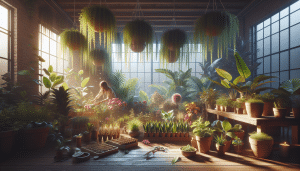
Designing an indoor jungle is both creative and functional. Start by deciding whether you prefer a dense, immersive effect or a few statement plants as focal points. Shelves, plant stands, or macrame hangers all add vertical layers, enhancing the feeling of a three-dimensional forest. Large leafy plants create privacy and a calming backdrop for relaxation zones or reading nooks. To soften lines and brighten dark corners, incorporate a mix of trailing and upright species for texture and movement.
Containers play an essential role in style and plant health. Terracotta pots allow roots to breathe and prevent overwatering, while glazed ceramics add color and shine. Grouping plants with contrasting foliage—such as the glossy leaves of rubber plants next to the feathery fronds of asparagus ferns—generates visual excitement. Decorative stones, natural wood, or woven baskets ground the look in organic textures, making the space feel cohesive. Rotating or rearranging plants as they grow helps maintain balance and harmony.
Accessories bring personality to your jungle. String lights, miniature sculptures, and botanical prints can be interspersed among the greenery for a whimsical or modern touch. Some enthusiasts like to introduce water features or terrariums for added interest. Inspiration can be found in interior design books or social media feeds dedicated to plant styling. Over time, your indoor jungle will reflect both your aesthetic choices and the variety of plants that thrive in your home’s distinctive environment (https://gardeningsolutions.ifas.ufl.edu/plants/houseplants/plants-for-inside-the-home.html).
Troubleshooting Common Indoor Plant Challenges
All indoor plants face challenges, from pest infestations to temperature swings. Brown edges on leaves, sticky residue, or sudden leaf loss may signal stress. Investigate not only current care routines but also any recent changes, such as drafts, moves, or cleaning products sprayed nearby. Removing damaged parts, isolating affected plants, and using natural pest deterrents often restore balance quickly. For stubborn issues, horticulture hotlines or gardening forums offer valuable crowd-sourced advice from experienced growers.
Lighting issues are common, especially during darker seasons. Rotate pots to ensure each side receives some exposure. Supplemental grow lights can offset winter gloom and support healthy growth patterns. If leaves look pale or spindly, move plants closer to available windows, gradually acclimating them to brighter conditions to avoid shock. Monitoring for mold or mildew, especially on soil or leaves, prevents diseases from spreading through your collection.
Sustainable care practices minimize long-term risks. Use natural fertilizers or pest controls when possible, and sterilize old pots before repotting to prevent disease. Over time, as you track which plants succeed and which need extra attention, your confidence and skill grow. Resources are plentiful online, from university extension services to conservation organizations, ensuring that home gardeners can access up-to-date plant care science (https://www.rhs.org.uk/houseplants/houseplant-problems).
References
1. Wolverton, B.C., Johnson, A., & Bounds, K. (1989). Interior Landscape Plants for Indoor Air Pollution Abatement. NASA. Retrieved from https://ntrs.nasa.gov/api/citations/19930073077/downloads/19930073077.pdf
2. Clemson Cooperative Extension. (n.d.). Houseplants: Care and Growth. Retrieved from https://hgic.clemson.edu/factsheet/houseplants-care-growth/
3. Gardening Know How. (n.d.). Houseplant Care Tips. Retrieved from https://www.gardeningknowhow.com/houseplants/hpgen/houseplant-care-tips.htm
4. Penn State Extension. (n.d.). Interior Plant-Scape Management and Maintenance. Retrieved from https://extension.psu.edu/interior-plant-scape-management-and-maintenance
5. University of Florida IFAS Extension. (n.d.). Plants for Inside the Home. Retrieved from https://gardeningsolutions.ifas.ufl.edu/plants/houseplants/plants-for-inside-the-home.html
6. Royal Horticultural Society. (n.d.). Houseplant Problems. Retrieved from https://www.rhs.org.uk/houseplants/houseplant-problems

 Secrets You Miss in the Home Buying Process