Interior Design Ideas That Inspire Creativity
Giulia Bianchi September 19, 2025
Interior design is no longer just about aesthetics—it’s about creating spaces that inspire creativity, enhance comfort, and support mental well-being. Today’s hottest design trends blend function with emotion, shaping homes into havens of productivity and relaxation. In this article, we’ll explore interior design ideas that inspire creativity and comfort, spotlighting emerging styles and practical ways to bring them into your space.
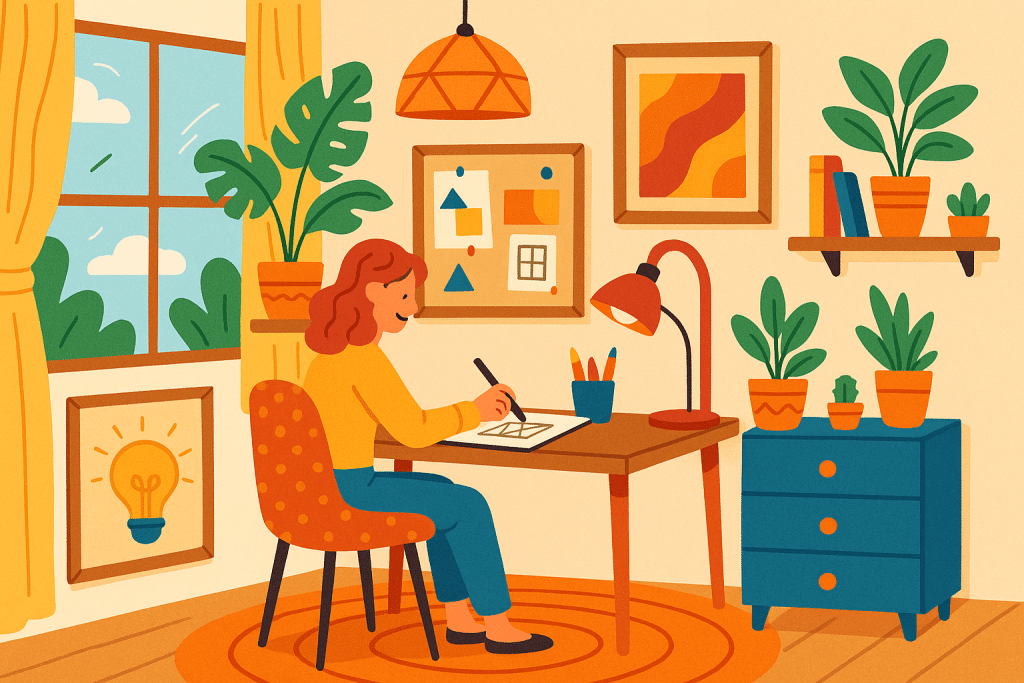
Why Interior Design Shapes Creativity and Comfort
The design of a room goes far beyond aesthetics—it actively influences how people think, feel, and perform tasks on a daily basis. Research in environmental psychology consistently shows that factors such as lighting, color palettes, textures, and spatial layout directly impact productivity, emotional well-being, and even creativity (Augustin & Fell 2015). When thoughtfully curated, interiors can become catalysts for innovation, focus, and relaxation.
A well-designed interior does not merely look beautiful—it reduces stress, boosts concentration, and sparks creative thinking. For instance, the American Psychological Association highlights how environments with natural elements and balanced lighting lead to improved mental health outcomes and lower stress levels (Kaplan & Kaplan 1989). Similarly, workplaces with flexible, ergonomic layouts have been found to improve employee satisfaction and output (Vischer 2007).
Key influences on creativity and comfort include:
Natural light and biophilia
Access to sunlight and the presence of greenery are known to enhance focus, reduce anxiety, and strengthen cognitive performance. Biophilic design—integrating plants, natural materials, and organic shapes—has been linked to better mood regulation and sustained attention (Kellert 2018).
Flexible layouts
Spaces that allow reconfiguration—whether for collaborative brainstorming or quiet reflection—help support different modes of working and relaxing. Open areas with modular furniture are particularly effective in encouraging both team creativity and individual productivity.
Warm textures and soft furnishings
Materials such as wood, wool, and velvet contribute to feelings of safety and coziness. When paired with softer lighting, these textures create environments where people feel grounded and comfortable enough to explore new ideas without stress.
Minimal clutter
Clutter-free spaces have a profound psychological effect. According to neuroscientific research, organized and minimalist interiors reduce cognitive load, making it easier for the brain to process information efficiently (McMains & Kastner 2011). This opens mental space for problem-solving and innovation.
Emerging Trends in Interior Design
1. Biophilic Design
Biophilic design, which integrates natural elements like plants, wood, and stone, is trending worldwide. A 2022 report by the International WELL Building Institute found that incorporating greenery and natural textures reduces stress and improves cognitive performance (IWBI 2022).
Practical ideas:
- Add indoor plants such as fiddle-leaf figs or snake plants.
- Use reclaimed wood for shelving or tables.
- Install large windows or light tunnels to maximize sunlight.
2. Multi-Functional Work and Living Spaces
With remote work now a permanent reality for many, homes must serve multiple roles. Furniture that adapts to different needs—such as fold-out desks, modular sofas, and movable partitions—has surged in popularity.
Practical ideas:
- Create a “zoom-ready” corner with good lighting and neutral backdrops.
- Invest in a desk that folds away to reclaim space after work hours.
- Use rugs and dividers to mark boundaries between work and leisure zones.
3. Warm Minimalism
Minimalism has evolved. Instead of stark, cold spaces, the new “warm minimalism” trend focuses on simplicity with comfort. Think clean lines, neutral palettes, and natural textures softened by cozy textiles.
Practical ideas:
- Swap sharp edges for rounded furniture.
- Layer in wool throws, linen cushions, and textured rugs.
- Use earth tones—beiges, soft browns, and terracottas—to add warmth.
4. Smart and Functional Comfort
Technology is increasingly integrated into interior design to improve comfort and convenience. From smart lighting that adjusts to circadian rhythms to ergonomic furniture designed for health, homes are becoming more responsive.
Practical ideas:
- Install smart bulbs that mimic natural daylight.
- Use adjustable standing desks to promote movement.
- Add voice-controlled climate systems for comfort at all times.
5. Personal Expression through Art and Color
Creativity thrives in environments that feel personal. Homeowners are moving away from cookie-cutter interiors and embracing bold colors, statement art, and curated collections that reflect individuality.
Practical ideas:
- Dedicate a gallery wall for rotating artworks or photos.
- Use accent walls in calming blues for focus or vibrant yellows for creativity (Kwallek et al. 2007).
- Combine vintage finds with modern pieces for a layered effect.
Practical Guide: How to Create Interiors That Inspire Creativity and Comfort
Start with a Vision Board
Every inspiring interior begins with a vision. Collect magazine cutouts, Pinterest saves, and snapshots of textures that excite you. By putting these visuals together, you create a personal “mood DNA” that ensures your final design reflects both comfort and creativity. Studies show that visual mapping enhances clarity and fosters stronger creative outcomes (Thomas and Tian 2021).
Prioritize Natural Light
Light has a direct impact on mood and productivity. Use mirrors strategically to amplify brightness, choose sheer curtains that let the outside in, and lean toward white or pastel walls that naturally reflect sunlight. Exposure to natural light is proven to increase focus and reduce fatigue, making it a cornerstone of healthy interior design (Gulddal 2020).
Layer Comfort
Comfort is never one-dimensional. To make your space inviting:
- Add plush rugs for softness underfoot.
- Drape throw blankets for instant warmth and coziness.
- Scatter cushions to create zones that invite relaxation.
When combined, these layers add a tactile richness that makes any room feel lived-in and welcoming.
Create Zones for Different Activities
Modern living requires flexibility. Dedicate small areas for specific functions:
- A reading nook with a floor lamp.
- A work corner with a supportive desk and chair.
- A meditation spot with soft textures and greenery.
These micro-zones balance focus with rest, ensuring your home supports both productivity and peace.
Invest in Long-Term Wellness
Great interiors don’t just look good—they enhance your well-being. Consider furniture that supports your posture, like ergonomic chairs. Add air-purifying plants such as snake plants or peace lilies to improve indoor air quality. Opt for sustainable materials like bamboo or reclaimed wood, which are durable and eco-friendly. Beyond aesthetics, these investments uplift your health and ensure your home evolves with you.
Conclusion
Interior design ideas that inspire creativity and comfort are shaping how we live and work in 2025. Biophilia, multi-functional spaces, warm minimalism, and personal expression are not just trends—they’re lifestyle shifts. By thoughtfully designing interiors, you can create a home that fuels innovation while nurturing relaxation.
References
- Houzz (2023) 10 Interior Design Ideas to Boost Creativity at Home. Available at: https://www.houzz.com/magazine/ (Accessed: 18 September 2025).
- Elle Decor (2022) Creative Interior Design Tips for Inspiring Living Spaces. Available at: https://www.elledecor.com/ (Accessed: 18 September 2025).
- Architectural Digest (2021) How Interior Design Can Spark Creativity. Available at: https://www.architecturaldigest.com/story (Accessed: 18 September 2025).

 Tips for Building Strong Financial Foundations