Secrets to Thriving Indoor Plants Even Beginners Love
Giulia Bianchi November 9, 2025
Discover the keys to vibrant, long-lasting indoor plants and a flourishing indoor garden. This guide unlocks practical tips for light, water, soil, low-maintenance species, and troubleshooting—all designed for beginners and plant lovers alike.
The Right Light for Your Indoor Plants
Understanding natural light in your home can be transformational for your indoor garden. Most thriving indoor plants need specific light levels, and matching foliage type to window direction can prevent both disappointment and stress. South-facing windows typically provide the most light, but many varieties flourish even in less intense settings. Snake plants and peace lilies, for example, adapt to medium or low light, which is ideal for challenging corners.
Light intensity shifts throughout the year, so moving your plants seasonally helps mimic their natural environments. In winter, sunlight is weaker and shorter in duration, so positioning plants closer to light sources can keep them healthy. Supplemental lighting, such as LED grow lights, can bridge gaps, especially for flowering species or succulents that demand brightness. Grow lights are now designed for residential settings and emit the required spectra without overheating delicate greenery.
Signs of light distress appear as droopy leaves, pale foliage, or stunted growth. Address these cues early to prevent irreversible decline. Rotate your plants every few weeks for symmetrical growth. Some owners find surprising success by clustering plants together, which creates a beneficial microclimate and boosts humidity—another secret for lush foliage. Assess your space and experiment to find what keeps your green friends reaching for the sun.
Watering: Balancing Moisture Without The Guesswork
The art of watering indoor plants is about consistency and observation. Overwatering is a common cause of failure, leading to root rot and yellowing leaves. Before reaching for the watering can, gently press a finger an inch below the soil surface. If it feels dry, it’s time to water. For most houseplants, thorough but infrequent watering matches their needs best—ensuring roots don’t sit in soggy soil, but never become bone-dry, either.
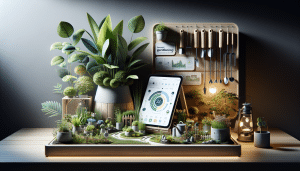
Consider your indoor environment: Heat, air circulation, and even pot material can affect how quickly soil dries out. Plants in terracotta pots usually need more frequent watering since clay wicks away moisture, while plastic containers hold it longer. Many busy individuals now use moisture meters for a data-driven approach, reducing the guesswork and helping spot needs before leaves droop or discolor.
Pay attention to seasonal changes—plants typically need less water in the cooler months when growth slows and more during peak sunlight. Find a routine by sticking to a schedule, but always observe plant signals. Wilting may indicate underwatering, but it may also mean too much moisture; checking the soil clarifies what your plant is truly asking for. Mistakes are learning opportunities as you build confidence through experience.
Soil, Nutrients, and Repotting: Building Healthy Roots
Healthy indoor plants start below the surface. Use high-quality potting mixes specifically designed for houseplants rather than ordinary garden soil. These blends provide ideal drainage and aeration for roots, which is crucial for species like pothos or philodendron. Additives like perlite or coconut coir improve moisture balance, helping to prevent compaction that strangles delicate root systems.
Fertilizing is the next key. During periods of active growth, usually spring and summer, mild liquid fertilizers deliver steady nutrition. Use them sparingly to avoid root burn, and always follow label instructions. Pale new leaves or slow growth may signal a need for nutrients, while brown leaf tips can indicate too strong a dose. Adjusting your fertilizing habits as the seasons change can mean the difference between weak and thriving plants.
Repotting provides space for roots to expand and helps refresh depleted soil. Check yearly to see if the roots have begun to circle the pot. Move up to a container only slightly larger to avoid excess moist soil. The process can seem daunting, but it boosts health and triggers new growth spurts. Repotting is also a moment to inspect for pests or diseases—catching issues early gives plants the opportunity to recover.
Low-Maintenance Indoor Plants Anyone Can Grow
Not all indoor plants require daily attention. Certain varieties, dubbed low-maintenance plants, are ideal for hectic lifestyles or those new to plant care. Snake plant, pothos, and the resilient ZZ plant top this list, thriving even when watering is sporadic or sunlight scarce. Their tough leaves resist common problems and adapt well to many home environments.
Choosing low-maintenance plants doesn’t mean sacrificing beauty. Spider plants add cascades of variegated foliage, while resilient peace lilies reward owners with elegant white blooms under forgiving conditions. As a bonus, many of these varieties also act as small-scale air purifiers—improving home air quality according to NASA studies. Placing several together multiplies this effect and adds lushness to your decor.
Research the needs of each plant before bringing it home. Match species to your available light, temperature, and your realistic care routine. This approach minimizes frustration and maximizes the chance for long-term success. As confidence grows, branching into more demanding species becomes less intimidating and more rewarding. Many indoor gardeners start with a single pothos and, over time, transform their space into a thriving, tranquil oasis.
Troubleshooting Common Indoor Plant Issues
Problems arise for even the most attentive plant owners. Indoors, yellowed leaves, brown tips, or drooping growth are common concerns. Start by checking light and water; most often, these factors drive plant health. Sometimes, a simple change in routine corrects yellowing or curling leaves—such as moving a plant further from a direct heat source, or adjusting watering frequency. Staying observant is key.
Pests can occasionally sneak in, even in the cleanest homes. Fungus gnats and spider mites are the most likely culprits. Isolate affected plants and use natural remedies like neem oil, which protects without the risk of chemicals indoors. Maintaining good airflow with an open window or fan can also deter pest outbreaks by creating less hospitable conditions. Routine inspection, such as checking leaf undersides, helps you catch problems early and intervene quickly.
Fungal issues, evident as spots or powdery patches, thrive in damp environments. Reduce humidity around afflicted plants and prune away problem leaves. If issues persist, look to soil and repot as necessary with fresh, sterile mix. Remember, the secret is not perfection but a willingness to adapt and learn through trial and observation. Over time, your indoor garden will reward this effort with healthy, beautiful greenery.
Creating a Thriving Indoor Garden Ecosystem
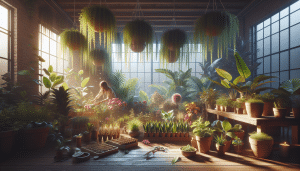
Beyond care basics, design a harmonious plant ecosystem that benefits every leaf and root. Cluster plants to increase humidity, allowing water to naturally evaporate into the surrounding air. Integrating a mix of tall, vining, and compact species not only creates visual variety but also mimics natural plant communities. Some indoor gardeners even include shallow trays of water or use pebble bases to boost moisture for humidity-loving plants.
Experiment with stylish pots, shelves, and hanging displays to personalize your space. Use wall-mounted brackets, vertical gardens, or wrapped macramé for flexibility in small homes. Decorative containers with drainage holes combine flair and function, protecting roots while expressing creativity. Many plant owners find that caring for their indoor ecosystem is both stress-reducing and deeply satisfying.
Regular maintenance, such as cleaning leaves, rotating plants for even light, and checking for pests, cultivates resilience in your plant collection. Sharing cuttings, joining online forums, or participating in community swaps can expand your home greenery in an affordable, social way. As you develop routines and adapt to the natural rhythm of plants, their growth mirrors your own expertise—turning a single healthy plant into a home filled with life and beauty.
References
1. Missouri Botanical Garden. (2023). Houseplant Care. Retrieved from https://www.missouribotanicalgarden.org/gardens-gardening/your-garden/help-for-the-home-gardener/advice-tips-resources/houseplants
2. NASA Clean Air Study. (n.d.). Interior Landscape Plants for Indoor Air Pollution Abatement. Retrieved from https://ntrs.nasa.gov/api/citations/19930073077/downloads/19930073077.pdf
3. University of Georgia Extension. (2020). Care of Indoor Plants. Retrieved from https://extension.uga.edu/publications/detail.html?number=B1318&title=Care%20of%20Indoor%20Plants
4. North Carolina State University. (2020). Growing Indoor Plants with Success. Retrieved from https://content.ces.ncsu.edu/growing-indoor-plants-with-success
5. Royal Horticultural Society. (2022). How to care for houseplants. Retrieved from https://www.rhs.org.uk/houseplants/care
6. University of Vermont Extension. (2022). Troubleshooting Houseplant Problems. Retrieved from https://www.uvm.edu/extension/houseplants/troubleshooting

 Glowing Skin Rituals You Haven’t Tried Yet