What You Might Gain from Indoor Plant Care
Giulia Bianchi November 20, 2025
Explore why indoor plant care is gaining so much attention in home design and wellness. This guide dives into houseplant selection, natural air purification, and easy tips to make greenery thrive inside any living space.
Why People Are Embracing Indoor Plants
Indoor plants are making a big impact on home decor trends. People find that filling a space with greenery adds vibrancy, texture, and freshness. It is not just about aesthetics. Choosing the right houseplants can change how a room feels, creating a calming, restful environment. Plants fit into many design schemes, whether modern or classic. Large leafy specimens, flowering varieties, and trailing vines each bring unique benefits. The sight of living greenery indoors has also been linked to productivity and reduced stress, making plant care as much about wellness as about looks.
There is a rise in interest toward air-purifying plants. Research from notable institutions hints at their ability to remove certain toxins from the air, potentially making indoor environments healthier. Snake plants, spider plants, and peace lilies are often chosen for their resilience and helpful characteristics. By placing these in living rooms, bedrooms, or even offices, air quality can improve over time. While no single plant will completely purify the air, a combination may make a subtle difference, especially in tightly sealed, newly renovated homes where air can stagnate. Simple additions yield lasting, low-effort rewards for comfort and peace of mind.
Interest in low-maintenance plants is also driving popularity. Many people want greenery but worry about complicated routines or busy lifestyles. Fortunately, varieties like pothos and ZZ plants thrive even with infrequent watering and low light. For renters, condo owners, or anyone with limited space, compact plant options mean nobody misses out on the benefits. Growing trends show people moving away from artificial decor, instead favoring living pieces that add an organic touch. The popularity of indoor gardening kits also suggests a wish to customize and nurture home interiors.
Understanding What Plants Need to Thrive
Growing healthy indoor plants starts with knowing their needs. Every houseplant has preferences for light, water, humidity, and soil type. Understanding these factors sets anyone up for success in home gardening. For example, succulents love bright sunlight and dry soil, while ferns prefer shady, moist spaces. Matching each plant to its ideal conditions lowers the chances of disappointment. It’s common to see newcomers take on too many care requirements at once, but starting simple is key. Experts recommend reading care tags or guides for each species to keep things manageable and fun.
The position of windows and quality of sunlight matter greatly. South-facing windows get the most daylight, which benefits sun-hungry plants. North-facing areas are better for shade lovers. When light is insufficient, grow lamps provide a practical solution. Watering is equally essential. Most indoor plant failures result from either overwatering or underwatering. Sticking a finger into the soil gives a quick moisture check, helping prevent root rot. Using the right potting mix, with good drainage, further protects roots and encourages vigorous, long-term growth.
Humidity often goes overlooked in indoor gardening. Many tropical houseplants need higher moisture levels than typically found in home environments. Spritzing leaves with water, grouping plants together, or running a humidifier can mimic their natural habitat. Fertilizing on a schedule—generally during spring and summer—gives additional support for growth. Importantly, enthusiasts find that monitoring for pests like fungus gnats or spider mites helps plants stay healthy year-round. A little observation goes a long way in creating a thriving green corner indoors.
Choosing Plants for Air Purification
Many homeowners now prioritize air quality alongside classic decor. Certain houseplants offer natural filtration, breaking down chemicals through their leaves and root systems. NASA famously studied this effect, showing that select species could filter volatile organic compounds, like benzene and formaldehyde, from the air. The spider plant and peace lily both rank high for their air-cleansing abilities and are forgiving to beginners. Adding a few of these to frequently used rooms can act as a complement to regular ventilation and cleaning routines. Plant choice becomes a practical decision as well as a stylish touch.
Studies on houseplants also highlight the importance of variety. Mixing several air-purifying species helps balance out different environmental pollutants. Bamboo palms, English ivy, and snake plants—when combined—address a range of toxins. While these improvements may seem small, the psychological effects can be significant. People report feeling more alert and comfortable in plant-filled rooms. Regular, simple changes like rotating the plants or dusting their leaves improve their efficiency. Caring for them becomes a mindful daily ritual that supports both physical and emotional health within the home.
Some caution is needed regarding pets and young children. Certain popular air-purifying plants can be mildly toxic if ingested. Thorough research and safe placement prevent problems while still reaping the benefits. Creating a balanced indoor environment—using both mechanical filtration and strategic plant placement—supports long-term well-being. Gradually, these living green air purifiers can become valued elements of household routine and conversation. Together, they bring nature’s quiet resilience inside, quietly but powerfully shaping the home’s environment.
Simple Indoor Gardening Tips for Beginners
Getting started with indoor gardening often means facing a lot of advice. The process doesn’t need to be overwhelming. Start by choosing just one or two hardy plants like pothos or snake plant. These adapt to a range of conditions and offer visible progress quickly. Find a spot with indirect sunlight, water them when soil feels dry, and resist the urge to fuss too much. Progress comes from steady routines, not constant change. The simpler the system, the higher the chance of seeing healthy growth without frustration.
Potting is another area beginners sometimes overlook. Pick containers with drainage holes to prevent water-logged roots. Ceramic, clay, or recycled plastic pots all work, provided they allow water to escape. Repotting once a year or when roots fill the container keeps plants from becoming root-bound and unhealthy. Use a lightweight mix suited to the plant species; avoid using garden soil as it compacts and may harbor pests. Extra details like topping the soil with decorative stones support drainage and add a polished finish.
Routine observation makes troubleshooting easier. Yellowing leaves can mean too much water, while wilted edges may signal under-watering or drafts. Watch for signs of pests or mold and act before they spread. Take time to dust leaves, as clean surfaces improve photosynthesis. Feeding with a diluted houseplant fertilizer every few weeks during active growth boosts vigor. By paying just a little attention, anyone can maintain thriving indoor plants, reaping visual and wellness benefits in a manageable, enjoyable way.
Integrating Plants into Home Design
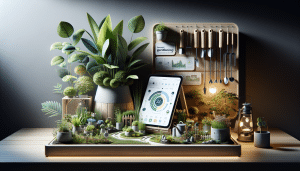
Indoor plants fit seamlessly into almost any home decor style. Think lush monstera leaves on a minimalist shelf or trailing vines softening angular furniture. Designers use tall pleated palms as natural dividers, or clusters of smaller plants as living centerpieces. For those who like to experiment, DIY terrariums or wall-mounted containers make plants focal points. Incorporating greenery in every room—entryway, kitchen, even bathroom—brings continuity, freshness, and visual unity. There’s a plant for every corner, no matter its size or light condition.
Customization is part of the fun. Matching pots to furniture or choosing plants to complement wall colors adds depth to design. Grouping plants in odd numbers and varying their heights creates dynamic, balanced arrangements. Layering textures—fuzzy-leaved African violets next to glossy-leafed philodendron—enhances visual interest. Many people combine plants with functional pieces such as bookshelves or window seats, using the green elements as both practical dividers and natural art. Inspiration comes from nature, and the home becomes an evolving canvas.
Natural materials pair perfectly with indoor plants. Wooden stands, stone planters, and handwoven baskets reinforce biophilic design principles, believed to improve mental well-being. Lighting also plays a role. Spotlights, pendant fixtures, or even fairy lights can highlight beloved specimens and turn nighttime plant displays into conversation starters. Over time, integrating plants turns interior spaces into personalized, restorative retreats that reflect the rhythm and creativity of those who live there.
Long-Term Rewards of Nurturing Houseplants
Caring for houseplants brings more than instant charm. Many people report a sense of accomplishment and calm from nurturing something living. Research even indicates that tending to indoor plants can lower anxiety and increase feelings of connection. Witnessing new leaves or blooms can become a grounding ritual, particularly in busy or crowded homes. Over time, the cumulative benefits make houseplants not just decorative but vital household members.
The learning curve pays off. Mistakes—like overwatering—transform into useful lessons leading to more resilient, lush plants. These positive feedback cycles keep gardeners engaged and interested. Sharing plant cuttings or tips with friends builds social connections and community. Through shared knowledge, indoor gardening becomes an accessible, welcoming hobby for nearly everyone, regardless of skill level or space.
Finally, the long-term rewards of plant care extend to sustainability. Houseplants remind people of the natural world and the interconnectedness of all living things. Some choose to propagate their own plants or adopt slow-growing species as a quiet method of reducing waste. This creates a lasting legacy—a healthier indoor space, a gentler relationship to the environment, and often, a renewed appreciation for simple, everyday beauty in the home.
References
1. NASA. (1989). Interior Landscape Plants for Indoor Air Pollution Abatement. Retrieved from https://ntrs.nasa.gov/citations/19930073077
2. American Lung Association. (n.d.). Plants and Indoor Air Quality. Retrieved from https://www.lung.org/clean-air/at-home/indoor-air-pollutants/houseplants
3. The Royal Horticultural Society. (n.d.). How to Care for Houseplants. Retrieved from https://www.rhs.org.uk/advice/profile?pid=805
4. Environmental Protection Agency. (n.d.). Indoor Air Quality. Retrieved from https://www.epa.gov/indoor-air-quality-iaq
5. Chicago Botanic Garden. (n.d.). Choosing and Caring for Indoor Plants. Retrieved from https://www.chicagobotanic.org/plantinfo/how/caring_houseplants
6. Harvard Health Publishing. (n.d.). The value of houseplants for indoor health. Retrieved from https://www.health.harvard.edu/blog/houseplants-for-health-2019022115997

 Surprising Paths Your Education Can Unlock