Why Minimalist Living Could Make You Happier
Lucia Fernandez December 2, 2025
Explore how minimalist living is transforming lifestyles and unlocking new ways to feel more fulfilled. This guide uncovers practical tips and surprising benefits of minimalist habits, organizing tips, decluttering, and mindful consumption for anyone curious about living with less and gaining more joy and space.
What Is Minimalist Living and Why Is It Trending
Minimalist living has gained significant traction among those seeking a simpler, more intentional lifestyle. Rather than focusing on having less for its own sake, this approach highlights living with purpose and only what adds genuine value. By letting go of unnecessary possessions, individuals often discover clarity and a stronger sense of well-being. Minimalism isn’t about deprivation; it’s a conscious choice that places quality above quantity, making each belonging and experience count. People searching for better ways to reduce stress—and reclaim time—are frequently drawn to minimalist philosophies that support these broader lifestyle aims.
The movement toward minimalist living is reinforced by a cultural shift toward well-being and sustainability. Many find that embracing minimalist organization tips, like carefully curating wardrobes or reorganizing kitchen spaces, results in less visual clutter and more functional daily routines. The journey often begins with a simple question: what truly matters? The answers can lead to surprising revelations about spending, habits, and personal values. Minimalism’s appeal is also growing as people look for ways to combat overwhelm caused by digital distractions and consumer pressures.
Economic changes are also nudging more people toward minimalist living. The desire to make smarter choices—such as saving on monthly expenses or reducing unneeded purchases—often leads to exploring minimalist habits. The benefits can ripple out: less clutter may mean less cleaning, fewer decisions, and less waste, supporting both individual mental health and environmental sustainability (Source: https://www.mindful.org/the-practice-of-minimalism/).
Core Benefits of Embracing Minimalist Habits
Minimalist lifestyles provide diverse personal and social benefits. Many people report experiencing greater peace and lowered anxiety simply from clearing out excess belongings. There’s a certain lightness that comes with having only the essentials. This sense of relief can translate into increased focus. By reducing visual and mental distractions, minimalist living allows attention to rest on what’s important—work, hobbies, or family—without always tending to piles of stuff. Some even discover that their relationships improve, as less time spent on possessions frees up time for people.
Another core benefit is financial freedom. People who adopt mindful spending habits often find that they are less tempted to make impulse purchases. This mindful consumption means more savings, less debt, and the ability to invest in experiences, not just objects. Minimalist organization tips, like routine decluttering, can make a noticeable difference in monthly budgets—small choices add up over time. These improvements offer extra security and flexibility, making minimalist living a smart strategy for those seeking to save and simplify at the same time.
Physical health can also see positive changes as households become easier to clean and manage. Fewer items in a space means reduced dust, improved air quality, and sometimes even a shift in personal routines toward healthier, stress-reducing activities. Minimalist home environments can nudge people outdoors or encourage more mindful eating and daily habits that support well-being (Source: https://www.health.harvard.edu/mind-and-mood/declutter-your-mind-minimize-your-stress).
Decluttering: First Steps Toward a Simpler Space
Starting a decluttering journey can feel daunting, yet a step-by-step approach makes it manageable. The process begins with one area—maybe a desk, a closet, or a single kitchen drawer. Keeping goals small is crucial; success builds motivation for the next space. Minimalist organization tips recommend sorting items into simple categories: keep, donate, recycle, or discard. This methodical approach creates quick wins and clears out stagnant energy from living spaces. As more items leave the home, the benefits become tangible: cleaning takes less time and finding what’s needed gets easier.
Some find emotional attachment to belongings is a key barrier in the decluttering process. Tackling sentimental items last—or with a friend’s gentle help—can keep momentum steady. Reflecting on each item’s purpose in daily life, rather than its monetary or nostalgic value, keeps decluttering firmly connected to the overall goal of feeling lighter. Minimalist living isn’t just about less stuff; it’s about curating a space that truly supports personal routines and aspirations (Source: https://www.psychologytoday.com/us/blog/the-clarity/201812/how-minimalism-affects-our-brains).
Making decluttering a regular habit helps maintain a minimalist environment. Monthly “mini-purges” allow for continuous editing, preventing clutter from creeping back in. Over time, this routine becomes a ritual that fosters peace and clarity. The less clutter in a space, the more energy is available for creativity and relaxation. Minimalist habits can ripple into other areas of life, from digital file management to streamlined schedules, inspiring an all-around simpler existence.
Mindful Consumption and Sustainable Choices
Embracing minimalist living extends far beyond tidying up. It’s about examining consumption patterns and making intentional, sustainable choices. People adopting minimalist habits often ask themselves before each purchase: Does this add value? Is it needed? Practicing mindful consumption curbs impulse buying and shifts focus to quality over quantity. This shift not only protects personal budgets but also benefits the environment, as reduced consumption leads to lower waste and decreased demand for new products (Source: https://www.epa.gov/recycle/reducing-waste-what-you-can-do).
Choosing sustainable products often aligns with minimalist values. Opting for durable, multipurpose items helps reduce clutter and frequency of purchases. Many who embrace minimalist living seek out secondhand goods, participate in clothing swaps, and avoid single-use plastics. These thoughtful choices promote environmental stewardship and support the broader goal of living in harmony with both personal values and planetary health. Integrating sustainability further reinforces many of the financial, emotional, and health benefits discussed earlier.
Minimalist living doesn’t demand perfection. Progress can look like swapping disposable towels for washable cloths or simply pausing before ordering another gadget. Mindful consumption is deeply personal and flexible, adapting to each household’s unique needs. The process helps people slow down fast-paced habits, make conscious decisions, and find satisfaction with less. Over time, even small steps lead to powerful positive changes for individuals and communities alike.
Designing Joyful Minimalist Spaces at Home
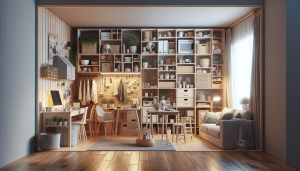
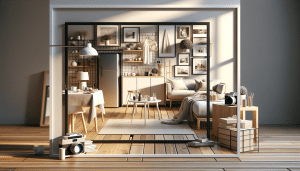
Creating a peaceful, inviting home environment is a core goal of minimalist design. This isn’t about stark white walls or empty rooms. Instead, it’s using intentional design elements—such as strategic storage, open shelving, or natural light—to foster harmony and calm. Minimalist spaces are functional and welcoming. A clutter-free space can elevate moods instantly, offering room to breathe and refocus. Subtle pops of color and well-chosen décor can still express personality, as long as each item serves a purpose or brings genuine joy (Source: https://www.houzz.com/magazine/minimalist-living-room-decor-ideas-stsetivw-vs~138325555).
Smart organization tools make minimalist living achievable for all lifestyles. Furniture with built-in storage or collapsible features helps maximize space in compact apartments or multi-use rooms. Many minimalist aficionados recommend frequent “reset” routines—where everything returns to its place at the end of the day—to prevent accumulating mess. This practice reduces visual clutter and sets a calm tone for the home. Even children can benefit, learning to care for and appreciate what they have when toys and supplies are easy to see and put away.
Minimalist home design supports mental health by lowering sensory overload and making routines smoother. Efforts like placing calming plants, displaying cherished photos, and reducing background noise all add up. The key isn’t having less for deprivation’s sake but fostering a space where happiness, creativity, and relaxation thrive. Joyful minimalist homes reflect the unique needs and aspirations of those who live in them.
How to Maintain Minimalist Habits Long Term
Sustaining minimalist living isn’t always easy, but practical strategies make it possible. One tip is to periodically review belongings and routines, asking: Does this still serve me? This kind of reflection helps prevent “clutter creep.” Setting aside time for seasonal closet edits or digital decluttering supports momentum and prevents overwhelm. Building routines around mindful consumption and regular organization strengthens minimalist habits as part of daily life, not just an occasional event.
Community and accountability can help maintain minimalist goals. Some join online groups or in-person circles to swap stories, share organization tips, or celebrate milestones, making the minimalist lifestyle more fun and less isolating. Many find encouragement and new ideas in these circles, learning how others navigate challenges or stay inspired. Tracking progress through photos or journals is another effective tool. Documenting “before and after” snapshots can reignite enthusiasm and keep the journey rewarding (Source: https://www.nytimes.com/guides/smarterliving/how-to-declutter-your-home).
Ultimately, minimalist living is a flexible journey. There’s no one “right way” to minimize possessions or routines. Some choose slow, gradual changes, while others prefer a bold reset. The most important part is alignment with personal values and goals. As life evolves, minimalist habits can adapt too, supporting ongoing well-being and satisfaction. Regular maintenance, accountability, and mindful reflection keep the process enjoyable, meaningful, and effective over the long term.
References
1. Mindful. (n.d.). The Practice of Minimalism. Retrieved from https://www.mindful.org/the-practice-of-minimalism/
2. Harvard Health Publishing. (n.d.). Declutter your mind, minimize your stress. Retrieved from https://www.health.harvard.edu/mind-and-mood/declutter-your-mind-minimize-your-stress
3. Psychology Today. (2018). How Minimalism Affects Our Brains. Retrieved from https://www.psychologytoday.com/us/blog/the-clarity/201812/how-minimalism-affects-our-brains
4. U.S. Environmental Protection Agency. (n.d.). Reducing Waste: What You Can Do. Retrieved from https://www.epa.gov/recycle/reducing-waste-what-you-can-do
5. Houzz. (n.d.). Minimalist Living Room Decor Ideas. Retrieved from https://www.houzz.com/magazine/minimalist-living-room-decor-ideas-stsetivw-vs~138325555
6. The New York Times. (n.d.). How to Declutter Your Home. Retrieved from https://www.nytimes.com/guides/smarterliving/how-to-declutter-your-home

 Secrets You Miss About Smart Home Gardening