How DIY Projects Enhance Home Value
Giulia Bianchi September 19, 2025
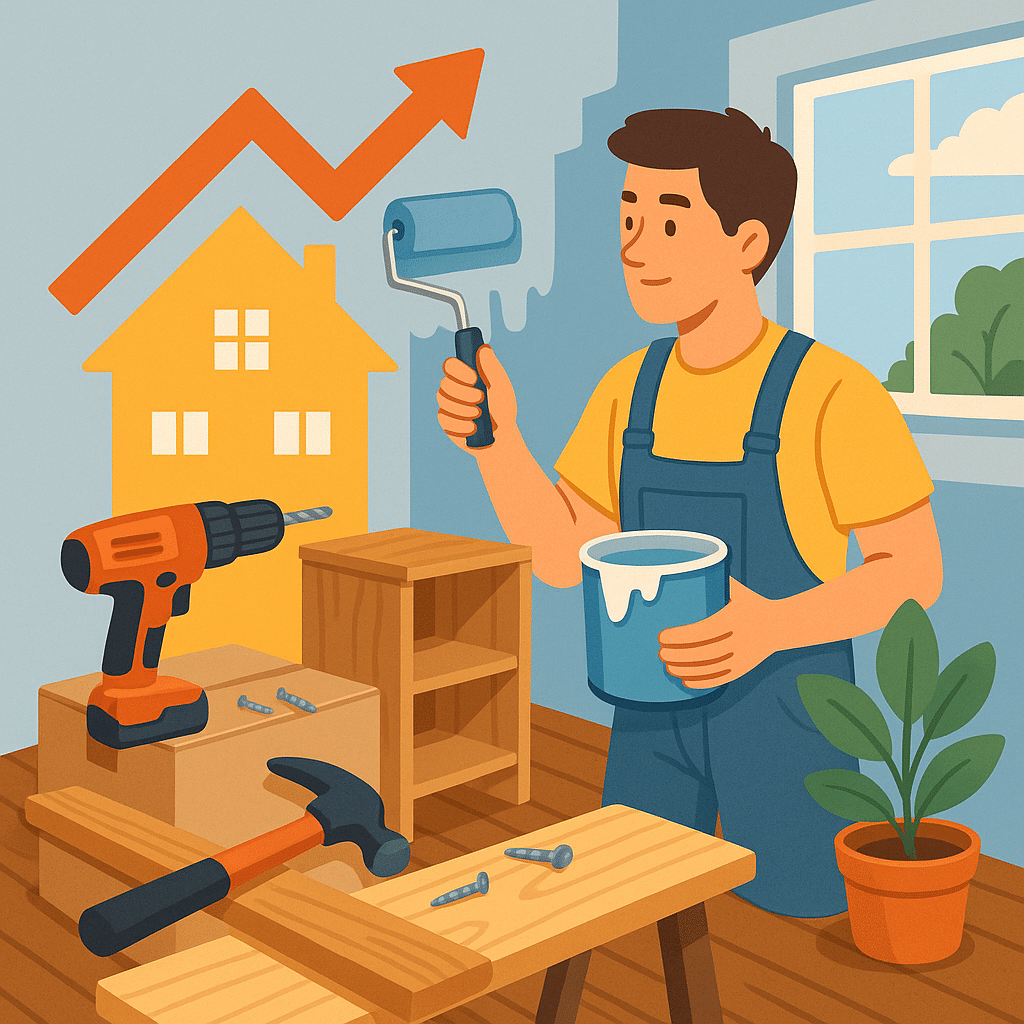
Homeowners today are more eager than ever to take on projects that improve both comfort and market value. How DIY projects enhance home value isn’t just a trend—it’s a proven way to save money, customize living spaces, and attract future buyers. With rising labor costs and an abundance of online tutorials, DIY has shifted from being a hobby to a smart investment strategy.
The DIY Boom: Why It’s More Than Just a Hobby
Over the past five years, searches for DIY home improvements have surged. The COVID-19 pandemic accelerated this movement, as homeowners spent more time indoors and looked for affordable ways to upgrade their spaces. According to a recent report by HomeAdvisor, nearly 80% of homeowners took on at least one DIY project in 2022, with cost savings being the top motivator (HomeAdvisor 2022).
DIY isn’t just about patching drywall or painting a room—it has become a lifestyle shift. Platforms like YouTube and TikTok have made tutorials accessible, while online communities share real results, making even complex projects approachable.
How DIY Projects Directly Boost Home Value
1. Curb Appeal and First Impressions
The outside of your home is the first thing buyers see, and DIY landscaping projects offer one of the highest returns. According to the National Association of Realtors (NAR), basic landscaping such as mulching, lawn care, and planting flowers can yield a return of 100–200% on investment (NAR 2022).
Examples of simple yet effective DIY curb appeal projects:
- Repainting the front door in a bold, modern color
- Installing solar-powered pathway lights
- Building raised garden beds
- Adding window boxes for flowers
These projects cost under 200 dollars but can dramatically increase perceived property value.
2. Kitchen Upgrades Without Full Renovation
A full kitchen remodel costs between 25,000–50,000 dollars, but smaller DIY upgrades can offer similar aesthetic impact. Research shows that buyers rank kitchens as the most important room when evaluating a property (Zillow 2021).
Low-cost DIY kitchen projects include:
- Painting or refinishing cabinets
- Installing peel-and-stick backsplash tiles
- Upgrading cabinet hardware
- Adding open shelving for storage and décor
These updates can be done over a weekend and cost a fraction of professional remodeling.
3. Energy-Efficient Improvements
DIY projects that focus on energy savings not only reduce monthly bills but also attract eco-conscious buyers. Installing smart thermostats, weatherstripping doors, or applying window film can reduce energy consumption by up to 15% annually (U.S. Department of Energy 2020).
4. Bathroom Refreshes That Impress Buyers
Bathrooms are another high-ROI space. Simple DIY upgrades—such as regrouting tiles, swapping out faucets, or installing new lighting fixtures—can make a bathroom feel brand new. According to Remodeling Magazine’s Cost vs. Value Report, even a midrange bathroom update can recoup around 60–70% of costs at resale (Remodeling 2022).
The Comfort Factor: Beyond Resale Value
While increasing property value is crucial, DIY also enhances everyday comfort and livability.
Personalized spaces: From custom bookshelves that fit unused corners to a tailored home office that boosts productivity, DIY allows you to shape spaces around your lifestyle instead of settling for generic layouts.
Wellness at home: Comfort is also about health. Adding soundproofing for peace and quiet, upgrading ventilation for cleaner air, or bringing in indoor greenery can all reduce stress and create a healthier environment. Studies have shown that indoor plants alone can lower anxiety and improve air quality (Nasta and Stein 2020).
Smart upgrades: With affordable DIY technology, homeowners can easily install smart lighting, security cameras, and thermostats. These projects provide not only cost savings but also greater convenience and peace of mind in daily routines (Thomas and Tian 2021).
Although these comfort-driven upgrades may not directly translate into resale value, they significantly enhance quality of life—a factor modern homeowners now rank as equally important as return on investment.
These comfort-focused upgrades may not always be measured in ROI, but they directly impact quality of life—a growing priority for homeowners.
Popular DIY Trends in 2025
Sustainable and Eco-Friendly Projects
More homeowners are turning to recycled materials and eco-friendly finishes. Upcycling old furniture, installing rainwater collection barrels, and creating compost bins are low-cost ways to embrace sustainability.
Multi-Functional Spaces
The rise of remote work has increased demand for flexible home design. DIYers are building foldable desks, room dividers, and modular shelving to maximize limited square footage.
Outdoor Living Extensions
DIY decks, pergolas, and fire pits are trending as families use outdoor areas as extended living spaces. Studies show that outdoor improvements can increase home resale value by up to 12% (Thomas and Tian 2021).
Risks and When to Call a Professional
Not all DIY projects are created equal. While painting and furniture assembly are safe for beginners, plumbing and electrical work often require licensed professionals for safety and compliance reasons. In fact, poorly executed DIY electrical work can reduce home value rather than enhance it (Ashbourn 2014).
Practical Guide: Choosing the Right DIY Project
Assess ROI potential: Focus on projects that deliver value—kitchens, bathrooms, and curb appeal upgrades consistently boost resale appeal. Even small updates like new fixtures or fresh paint can pay off.
Budget realistically: Factor in not just tools and materials, but also the cost of mistakes or hidden repairs. Many DIYers underestimate expenses, leading to stalled projects.
Start small: Build confidence with easy wins like painting, shelving, or furniture refinishing. Once comfortable, move on to bigger builds like flooring or tiling.
Use credible resources: Stick to tutorials from certified experts or trusted home improvement platforms. Reliable guidance reduces errors and keeps projects safe.
Balance comfort with value: Choose projects that make your life easier now—like added storage or lighting—while also boosting your home’s future resale potential.
Conclusion
The growing trend of how DIY projects enhance home value reflects a shift in homeowner priorities: saving money, creating comfort, and preparing for the future. From curb appeal updates to energy efficiency, the right projects can deliver both immediate enjoyment and long-term financial rewards.
As sustainability, affordability, and personalization continue to shape housing trends, DIY is more than just weekend fun—it’s a strategic investment in your home’s value and your own comfort.
References
- National Association of Realtors. (2022) 2022 Remodeling Impact Report. Available at: https://www.nar.realtor/reports/ (Accessed: 19 September 2025).
- HomeAdvisor. (2023) The True Cost of DIY Home Projects: What Adds the Most Value?. Available at: https://www.homeadvisor.com/r/ (Accessed: 19 September 2025).
- Houzz. (2021) How Much Do Home Improvements Add to Home Value?. Available at: https://www.houzz.com/magazine/ (Accessed: 19 September 2025).

 Emerging Trends in Digital Payments and Banking