Interior Decor Ideas That Create Relaxing Spaces
Giulia Bianchi September 19, 2025
In 2025, relaxing interior decor ideas are moving beyond simple minimalism. People want spaces that soothe the senses, promote well-being, and remain highly functional. With biophilic design, soothing color palettes, and texture play in the spotlight, this article digs into what’s new — and how you can apply it in your own home.
Why the Shift Toward Relaxing Decor?
Modern living (remote work, urban density, fast-paced daily life) has increased stress, and homes are now seen as sanctuaries. Research shows that interiors with natural light, plants, and views of nature reduce physiological stress (skin conductance, blood pressure) more than plain, artificial spaces.
The wellness movement is increasingly influencing interiors: decor is not just about looking good, but about promoting mental and emotional health. Designers are aligning homes with health-centric criteria: calm, restorative, sensory-friendly.
Top Emerging Trends in Relaxing Interior Decor Ideas
Here are several of the most relevant trends for creating spaces that soothe, support daily life, and still look stylish.
1. Biophilic Design Takes Center Stage
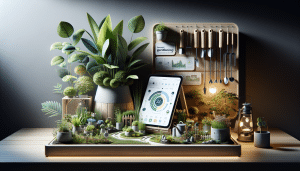
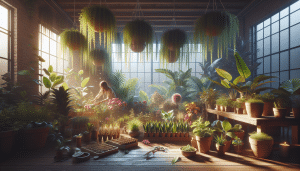
What it means: Incorporating natural elements — greenery, water features, natural light, organic shapes and materials — not just as decoration but as key design drivers.
Why it matters: A 2025 study using immersive virtual environments found that residential spaces with biophilic elements (plants, natural light, ventilation) significantly improved comfort and helped people recover from mild stress.
How to apply:
- Position windows, skylights, or lightwells to increase natural/diffuse sunlight.
- Use indoor plants strategically: corner groupings, green walls, potted plants with varying leaf shapes.
- Incorporate natural materials like wood, stone, live edge furniture, clay or terracotta.
- Water features where possible: small fountains, tabletop water bowls, or even digital water visuals if real is impractical.
2. Earthy Neutrals & Muted Palettes
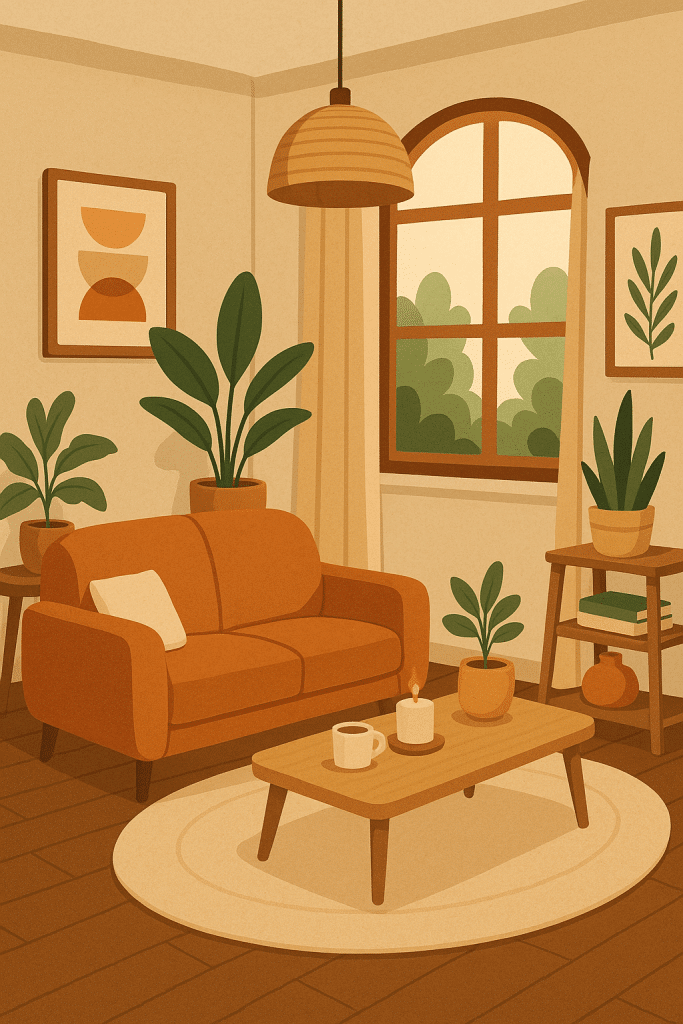
What’s trending: Muted, natural tones such as warm beiges, olive greens, soft terracottas, clay, putty-dusty neutrals. Less “clinical white/grey,” more grounded warmth.
What that does: These tones foster visual calm, reduce mental fatigue, and provide a backdrop that lets textures, shape, and light do more of the expressive work rather than color drama.
Examples & tips:
- Walls in soft putty, sage, or clay rather than stark white.
- Layered textiles: linen sheets, wool throws, cushions in slightly‐different shades of the same family.
- Mix in accents in richer tones (deep olive, muted rust) for depth, without large contrasts.
- Use “dirty neutrals” — meaning neutrals with slightly muted, dusty undertones — to avoid flatness.
3. Quiet Luxury & Textural Comfort
Quiet luxury refers to spaces that feel luxurious without being flashy: quality materials, fine textures, simple but refined details. The priority is comfort, subtle elegance, and tactile richness.
How texture plays in:
- Soft rugs, boucle/faux fur or high-quality wool blankets, silk or satin cushions.
- Natural upholstery, hand-woven fabrics, artisan crafts.
- Mixed materials: matte metals (brass, bronze), woods with visible grain, matte or lightly sparkle finishes rather than high gloss.
Functional touches:
- Furniture with ergonomic design: support where you sit and lean.
- Lighting with dimmability, layering (ambient, task, accent) so you can tailor the mood.
- Spaces that double as relaxation zones: reading nooks, window seats, corners designed for unwinding.
4. Sensory-Rich & Multi-Functional Spaces
Relaxing doesn’t have to mean minimal or sterile. Sensory richness (within reason) makes spaces feel inviting and lived in. Also, people need home zones that serve multiple roles (work, rest, play).
Key design considerations:
- Use sound: soft background sound or water features; avoid hard surfaces that amplify noise. Curtains and textiles help.
- Light: use diffuse, warm light; avoid harsh overhead; consider indirect LED, lamps, candles.
- Smell & feel: natural wood, plants, natural fiber carpets; perhaps essential oil diffusers or scented candles.
- Flexibility: rooms or zones that can shift from work to rest (folding screens, movable furniture).
5. Colour Accent Trends that Support Calm
While the overall palette is muted and earthy, designers are using accent colours carefully to enhance calm or lift mood subtly.
Trends:
- Soft mustard, butter yellow (used sparingly) to warm up neutral zones.
- Deep greens (forest, olive) that tie into natural motifs.
- Muted terra-cotta, clay red, rust tones as small accents (pillows, vases, framed art) rather than whole rooms.
Practical Guide: How to Transform Your Space Step by Step
Here’s a guide to putting together relaxing interior decor ideas in your home without overhauling everything at once.
| Step | Action | What to Focus On |
|---|---|---|
| 1. Audit your current space | Walk through each room and note what feels stressful or uncomfortable: harsh light, poor acoustics, clutter, flat lighting. | Make a checklist: twelve-hour light sources, how noise travels, how you use each side of sofa/bed. |
| 2. Introduce biophilic elements first | Add 1-2 plants; improve access to natural light; choose one natural material like a wooden table or stone countertop. | Even a plant by a window or wood cutting board can begin the shift. |
| 3. Rework palette | Choose a base color (earthy neutral) and build accents; repaint or add accent wall; change cushion covers, throws. | Sample paint swatches in different lighting during the day & evening. |
| 4. Layer textures & lighting | Soft rugs, textured fabrics; different sources of light (floor lamps, table lamps, overhead dimmers). | Use warm LED bulbs; consider lights with adjustable temperature. |
| 5. Create a Relaxation Zone | Dedicate a small area (corner, nook) for unwinding: comfortable seat, soft light, something tactile. | Use this zone for reading, meditation, or simply resting. |
| 6. Declutter & Organize | Remove items that crowd visual field; ensure functional storage; hide wires; use closed storage when needed. | Clutter increases stress; organization helps maintain calm ambiance. |
Case Examples & Inspirations
- “Cottage Flow” vs. “City Glow”: Designers are noticing two divergent but relevant trends. Cottage flow uses rustic wood, moss-toned textiles, vintage fabrics, natural motifs (floral, fauna) to create serene, grounded spaces. City glow is more bold, urban, but the calming versions of it adopt muted neon or accent lighting rather than harsh contrasts.
- Colorful Quiet Luxury: Marrying richness with restraint. Think olive green chairs, brass accents, textures like velvet or stone, but used moderately so the space stays calming.
Possible Pitfalls to Avoid
- Overcrowding with decorative items — too many textures or colour accents can feel busy rather than calming.
- Harsh overhead lighting without options for dimming or warm sources can ruin mood.
- Choosing “natural materials” without considering maintenance or care: if a plant dies or wood warps, it can add stress, not reduce it.
- Ignoring acoustics: noisy HVAC, poor flooring, or echoey rooms can detract strongly from comfort.
What the Research Backs Up
- A study with 94 participants showed that natural light, ventilation, and greenery in residential spaces reduce physiological stress and increase comfort in stressful/responsive phases.
- Global Wellness Institute reviews suggest biophilic design has measurable benefits including reduced stress, improved mental health, better recovery in healthcare settings when nature-inspired features are included.
- Trend reports for 2025 indicate that earthy neutrals, muted tones, and sensory elements are top in interior design, linked with wellness and calming interiors.
Summary
To build a truly relaxing, comfortable, and functional home in 2025, the key is in blending biophilic elements, earthy/muted colour palettes, textural richness, good lighting and acoustics, and creating multi-functional zones that support rest and daily life. The trend is toward homes that support wellness — not just appearance — and many of these relaxing interior decor ideas are affordable and incremental. Start small, build in layers, and prioritize what helps you feel most calm.
References
- Houzz Editorial Staff. (2023) 10 Tips for Creating a Relaxing Living Room. Houzz. Available at: https://www.houzz.com/magazine/ (Accessed: 19 September 2025).
- Better Homes & Gardens. (2022) How to Create a Calming Bedroom Retreat. Better Homes & Gardens. Available at: https://www.bhg.com/bedroom (Accessed: 19 September 2025).
- Elle Decor Editors. (2024) The Best Interior Design Ideas for Stress-Free Homes. Elle Decor. Available at: https://www.elledecor.com/design-decorate/r (Accessed: 19 September 2025).

 Travel Destinations That Blend Culture and Adventure