Wellness Routines That Improve Mental Clarity
Lucia Fernandez September 22, 2025
In 2025, wellness routines that improve mental clarity are no longer fringe habits—they’re mainstream strategies backed by science and tech. From mindful micro-breaks to gut-brain nutrition, people are discovering new ways to sharpen focus, reduce brain fog, and thrive in fast-paced digital life.
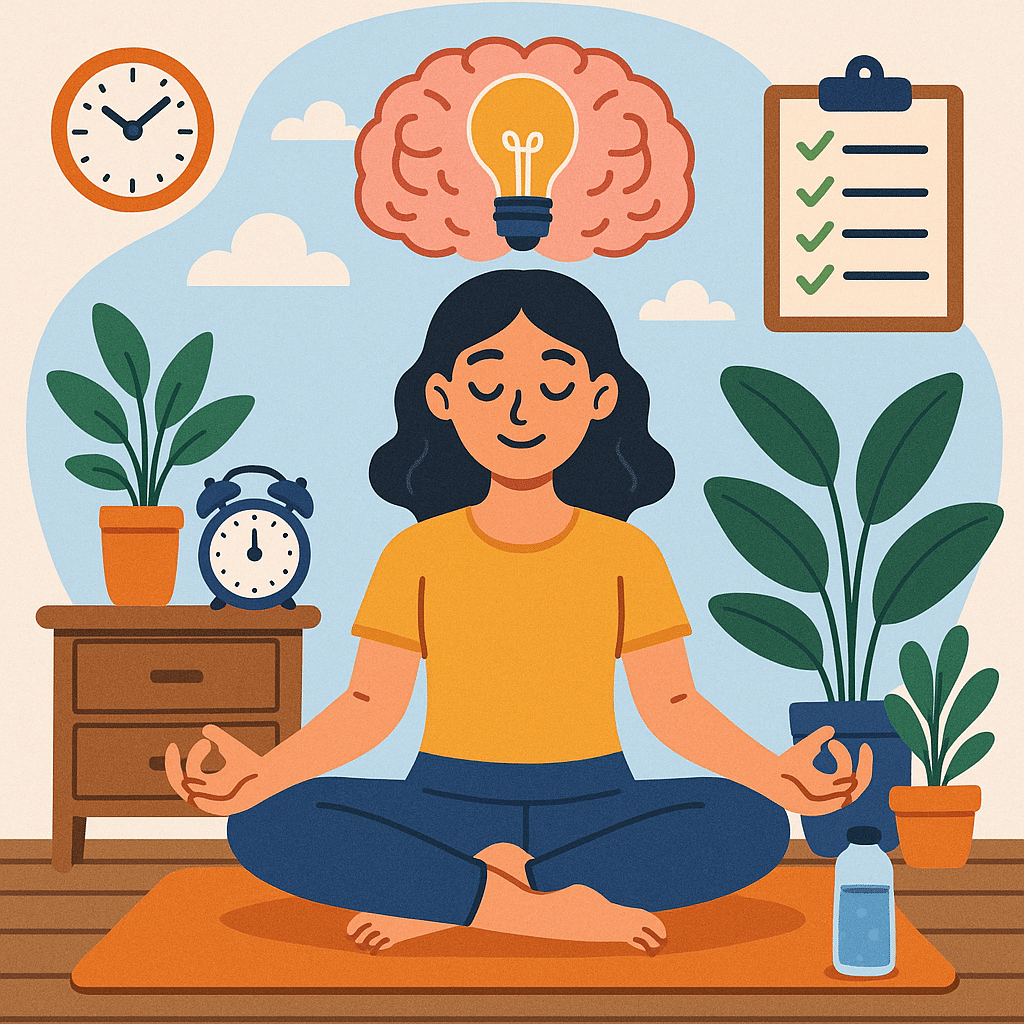
Why Mental Clarity Matters More Than Ever
Modern lifestyles push our brains to multitask constantly. Studies link constant digital overload to reduced attention span and lower productivity (Wilmer, Sherman and Chein 2017). Mental clarity routines act as cognitive resets—helping us filter distractions, regain focus, and sustain energy.
Emerging Trends in Wellness for Mental Clarity
1. Biohacking Morning Rituals
The rise of biohacking routines—cold showers, red light exposure, and nootropic teas—is shaping wellness culture. Tech entrepreneurs popularized these rituals to optimize cognitive performance, and research shows cold exposure may improve alertness and stress resilience (Hirvonen et al. 2023).
How to Try It:
- Start your day with 30–60 seconds of cold water at the end of a warm shower.
- Add matcha or lion’s mane mushroom tea to your morning ritual for natural focus.
2. Gut-Brain Nutrition for Clarity
Science confirms the gut-brain axis is critical for cognition. A 2022 review in Nature Reviews Gastroenterology & Hepatology showed that gut microbiota balance influences memory and focus through neurotransmitter regulation (Cryan et al. 2022).
What’s Trending:
- Fermented foods like kimchi and kefir.
- Probiotic supplements tailored for brain health.
- Fiber-rich diets to fuel healthy gut bacteria.
3. Mindful Micro-Breaks at Work
Instead of waiting until burnout, professionals are integrating mindful micro-breaks—just 2–5 minutes of deep breathing, stretching, or grounding exercises every hour. Research from the Journal of Applied Psychology found that micro-breaks restore attention and boost workplace performance (Bosch et al. 2022).
Quick Practices:
- Box breathing: Inhale 4 seconds, hold 4, exhale 4, hold 4.
- Desk stretches to release neck and shoulder tension.
- Screen-free pauses to reset vision and focus.
4. Digital Detoxing Through Tech
Ironically, technology itself is offering solutions to digital overload. Wearables now remind users to pause, hydrate, and even take breathing breaks. AI-driven apps track mental fatigue and suggest optimal rest periods.
Popular Tools:
- Oura Ring and WHOOP for stress monitoring.
- Focus apps like Freedom that block distractions.
- VR meditation platforms that immerse users in calming environments.
5. Sleep Optimization as Cognitive Fuel
Sleep is the foundation of clarity. Inadequate rest impairs memory and focus, yet over 35% of adults in the U.S. report poor sleep quality (CDC 2022). Sleep optimization routines—from blue light glasses to weighted blankets—are exploding in popularity.
Sleep Clarity Routine Checklist:
Limit screen time 2 hours before bed.
Digital devices emit blue light, which can disrupt melatonin production and trick your brain into thinking it’s still daytime. By cutting off screens at least two hours before bedtime, you allow your body’s natural sleep hormones to flow, leading to faster sleep onset and deeper rest. Try swapping late-night scrolling for reading a physical book or practicing relaxation techniques like light stretching or meditation.
Keep a cool, dark room environment.
A cooler temperature signals to your body that it’s time to wind down. Research suggests that an optimal sleep temperature is around 60–67°F (15–19°C), which helps the body maintain its natural circadian rhythm (National Sleep Foundation, 2021). Combine this with blackout curtains or an eye mask to eliminate disruptive light sources. Even small amounts of light can interfere with melatonin release, so darkness is key to uninterrupted, restorative sleep.
Use sleep-tracking devices to adjust bedtime habits.
Modern sleep trackers can reveal hidden patterns in your rest. By monitoring your sleep cycles, heart rate, and nighttime movements, these devices provide insights into when your body is most ready for sleep. Adjusting your bedtime based on this data can improve consistency and help you wake up refreshed. A 2020 study found that individuals who used wearable sleep trackers were more likely to stick to healthier bedtime routines (Robbins et al., 2020). Think of your tracker as a personal sleep coach, guiding you toward better habits night after night.
6. Functional Movement & Flow Training
Exercise isn’t just for physical health. Functional training and flow-state workouts—like yoga, tai chi, and martial arts—are proven to enhance cognitive flexibility and calm. A study in Frontiers in Psychology found that flow-inducing exercise enhances both mood and mental focus (Csikszentmihalyi and Nakamura 2021).
Practical Moves for Clarity:
Start your morning with 15 minutes of yoga sun salutations—a simple sequence that boosts circulation, awakens your muscles, and clears mental fog so you face the day with sharper focus.
Swap your seated calls for walking meetings. Research shows that even moderate walking improves cognitive flexibility, helping you generate fresh ideas while staying active (Oppezzo & Schwartz, 2014).
Engage in dance or martial arts sessions to train focus through movement. These playful yet disciplined practices demand full-body awareness, strengthening both mental clarity and emotional resilience (Kerr et al., 2013).
Building YOur Personal Mental Clarity Routine
Mental clarity doesn’t come from a single magic trick—it’s the result of small, consistent habits that nurture both body and mind. A sustainable routine blends four key elements:
Nutrition: Fuel your brain with gut-friendly foods like leafy greens, fermented foods, omega-3 rich fish, and plenty of hydration. Research shows that the gut-brain connection plays a vital role in reducing anxiety and boosting mental performance (Cryan & Dinan, 2012). Even something as simple as starting your day with a glass of water and balanced breakfast can sharpen focus.
Movement: Exercise doesn’t need to mean hours at the gym. Short bodyweight workouts, daily walks, or a few minutes of yoga can dramatically improve blood circulation and cognitive function. Studies confirm that just 20 minutes of physical activity can immediately enhance memory and processing speed (Hillman, Erickson & Kramer, 2008).
Mindfulness: Calm the mental noise with intentional practices. Breathwork, meditation, or journaling just five minutes a day can reset your mind and lower stress hormones. These micro-moments of presence reduce overwhelm, helping you feel grounded even on hectic days.
Recovery: True clarity demands rest. Quality sleep, reduced screen time, and scheduled “unplugged” hours allow the brain to consolidate memories and recharge. Think of recovery as an investment in tomorrow’s productivity rather than wasted time.
The key? Start small. Don’t overhaul your life overnight. Add just one new practice per week. Maybe it’s journaling every morning, drinking two extra glasses of water, or committing to a 10-minute walk after lunch. Over time, these habits stack and become second nature. Remember: consistency, not intensity, is the foundation of lasting clarity.
Conclusion
In 2025, wellness routines that improve mental clarity are evolving beyond trends—they’re becoming daily essentials for professionals, students, and creatives. By combining biohacking, mindful pauses, gut-friendly nutrition, and restorative sleep, you can transform productivity and mental resilience.
The takeaway? Clarity isn’t a luxury. It’s a lifestyle choice—and one you can start today.
References
- Harvard Health Publishing. (2021) Mindfulness meditation may ease anxiety, mental stress. Available at: https://www.health.harvard.edu/mind-and-mood/(Accessed: 21 September 2025).
- National Institute on Aging. (2022) Cognitive health and older adults. Available at: https://www.nia.nih.gov/health/ (Accessed: 21 September 2025).
- American Psychological Association. (2020) Why sleep is important for mental health. Available at: https://www.apa.org/topics/sleep/why (Accessed: 21 September 2025).

 Trends in Renewable Energy That Impact Businesses