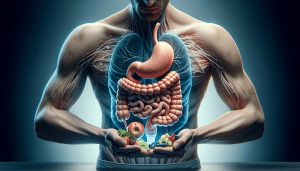
Surprising Truths About Gut Health Everyone Misses
Lucia Fernandez November 28, 2025
Explore the essential role your gut plays in overall well-being and how lifestyle changes can influence digestion, immunity, and mood. Learn about gut microbiome secrets, symptoms, dietary tweaks, and new research—discover small shifts that may transform the health journey.
The Gut Microbiome and Its Hidden Influence
There’s more to the human gut than most realize. Deep in the digestive tract lives a vibrant microbial ecosystem called the gut microbiome, which scientists now recognize as a major player in overall health. These trillions of bacteria, fungi, and other microorganisms don’t just digest food; they impact nutrient absorption, immunity, and even brain function. An imbalance in these microbes can negatively affect digestion, increase inflammation, and make the body more vulnerable to illness. Researchers are still uncovering exactly how the microbiome shapes wellness, but it’s clear that its influence reaches far beyond the stomach. Paying attention to this hidden community—and learning how to nurture it—might be a game changer for physical and mental health. Recent advances have shone a spotlight on the direct connection between gut microbes and chronic disease risks, prompting many people to rethink daily habits and dietary choices (Source: https://www.nih.gov/news-events/nih-research-matters/more-evidence-how-gut-microbiome-affects-health).
The microbial world inside each person is dynamic. Every antibiotic, every change in dietary pattern—these factors can produce a ripple effect. For instance, a fiber-rich diet supports the growth of beneficial bacteria, while highly processed foods may promote less helpful strains. Genes play a role, too, but day-to-day decisions have a surprising impact. The diversity and richness of gut flora are linked to stronger immune defenses and less chronic inflammation. Some studies show that the types and balance of bacteria in the digestive system are associated with risks for conditions like obesity, diabetes, and even anxiety. The gut is truly a metabolic powerhouse and an unexpected guardian of health, helping to shape how the body deals with energy, toxins, and invading microbes (Source: https://www.hsph.harvard.edu/nutritionsource/microbiome/).
Fascination with the gut microbiome is growing as medical research uncovers new roles played by gut bacteria. Previously, many thought that digestion was a simple mechanical process. Now, studies suggest links between gut health and emotional balance, allergies, and metabolic syndrome. For those curious about supporting their well-being, investigating ways to maintain a robust and varied microbiome can be an enriching journey. Probiotics, prebiotics, and fiber-rich foods are often cited as key elements, but the nuances of individual needs and responses keep the field vibrant. Nurturing the gut environment isn’t about a quick fix; it’s about consistent, informed lifestyle choices (Source: https://www.gutmicrobiotaforhealth.com/microbiome-faqs/).
Recognizing Gut Imbalance: Signs to Watch For
Gut health imbalances are not always obvious. Subtle changes such as unpredictable bowel movements, persistent bloating, or new sensitivities to foods may indicate something deeper at play. Fatigue, frequent infections, or unexplained changes in weight could also be warning signs. Unlike more evident health issues, poor gut health often whispers instead of shouting, which means symptoms might linger or go unnoticed for too long. Research has shown that chronic digestive discomfort is sometimes linked to changes in gut flora composition, inflammation, or insufficient digestive enzymes (Source: https://www.niddk.nih.gov/health-information/digestive-diseases/symptoms-causes).
Beyond digestive symptoms, gut health can influence skin conditions like eczema, mental clarity, or changes in mood. For example, the gut-brain axis—a direct communication channel between digestive bacteria and the nervous system—can affect feelings of anxiety or stress. Some professionals suggest tracking symptoms and making note of what triggers them. Noticing how certain foods or stressful days worsen physical discomfort can be a helpful first step toward understanding the bigger picture. Experts often recommend a balanced diet and mindfulness practices to help manage gut-driven imbalances.
It’s easy to overlook the relationship between long-term digestive issues and overall vitality. While many believe that only severe symptoms need attention, mounting evidence reveals that gut imbalances, left unchecked, can gradually strain immune, metabolic, and neurological systems. Early recognition and proactive management—such as increasing dietary fiber, reducing processed foods, and staying hydrated—may help restore equilibrium. Consulting with a registered dietitian or healthcare provider could make all the difference for those questioning persistent or complex symptoms (Source: https://www.cdc.gov/healthywater/hygiene/disease/digestive.html).
Dietary Choices That Shape Your Gut
What ends up on the plate can have an immediate effect on gut health. Dietary diversity is strongly associated with microbial diversity—the wider the range of foods, the more types of beneficial microbes thrive. Fresh fruits, vegetables, whole grains, and beans are celebrated for their fiber and micronutrients, all of which help beneficial gut bacteria flourish. In contrast, diets high in refined sugars or trans fats can harm microbial balance, potentially lowering resilience to stressors and illness. Making mindful choices and focusing on variety, unprocessed options, and regular meal times creates a fertile environment for gut support (Source: https://www.hsph.harvard.edu/nutritionsource/healthy-eating-plate/).
Special attention is given to prebiotics and probiotics. Prebiotics are dietary fibers found in foods like onions, garlic, bananas, and oats; they act as fuel for helpful bacteria. Probiotics, found in fermented foods like yogurt, kefir, kimchi, and miso, introduce live beneficial microbes. Studies have noted that a diet rich in both prebiotics and probiotics may help stabilize the gut environment, support immune defenses, and even reduce GI discomfort. Becoming familiar with sources of these nutrients can make meal planning more engaging and directly benefit gut well-being.
It’s not just about what is eaten, but also how meals are enjoyed. Eating slowly and chewing thoroughly can help reduce bloating and better prepare food for enzymatic digestion. Eating at regular intervals and avoiding late-night snacks may bolster daily rhythms crucial to gut flora. Some find that hydration and mindful food pairing—for example, combining fiber-rich grains with plant-based proteins—can make meals easier to digest. Adapting these habits, even gradually, can be a step toward fostering a healthier gut and a more balanced lifestyle.
Stress, Sleep, and Gut Connection Revealed
Stress and sleep quality are two often-overlooked factors that can quietly undermine gut health. Psychological stress triggers hormonal and immune responses that influence gut motility, permeability, and the composition of resident microbes. Poor sleep or irregular schedules have been shown in scientific studies to disrupt the balance of gut flora, leading to slower metabolism, digestive upset, and mood swings. Addressing stress and securing restorative sleep create a more harmonious environment for both digestion and mental performance (Source: https://www.ncbi.nlm.nih.gov/pmc/articles/PMC7150091/).
Stress doesn’t just affect mood. It can produce physical symptoms—like cramping, diarrhea, or constipation—through its direct effect on the autonomic nervous system and the gut-brain axis. Relaxation techniques, such as deep breathing, yoga, or meditation, are commonly recommended to help minimize stress impact. Those who support their mental well-being may notice improvements in digestive comfort and overall resilience, with emerging research suggesting that gut-friendly bacteria can, in turn, improve stress tolerance.
Sleep shapes how the body recovers and regulates core functions, including digestion. Inconsistent or insufficient sleep may reduce the gut’s defense mechanisms, weaken immunity, and encourage dysbiosis (microbial imbalance). Setting a regular bedtime, minimizing screen chatter before sleep, and crafting a relaxing nighttime routine can lay the foundation for better gut health. Combining stress reduction and sound sleep with a nourishing diet makes for a holistic approach to well-being.
Proactive Gut Care: Strategies to Explore
Taking proactive steps today can nurture gut wellness for the long run. Keeping food diaries, tracking reactions, and slowly introducing new foods can help clarify individual responses to certain dietary changes. Rather than drastic overhauls, experts often suggest gradual tweaks—such as adding more leafy greens, whole grains, and fermented foods—to promote balance without overwhelming the system. Consulting with health professionals before starting supplements or new eating plans ensures the approach is safe, tailored, and evidence-based (Source: https://www.gastro.org/practice-guidance/gi-patient-center/topic/healthy-digestive-tract).
Lifestyle choices extend beyond the plate. Physical activity supports gut function by aiding in regular bowel movements and enhancing microbial diversity. Even moderate movement—a daily walk or gentle stretching—can make a significant difference. Reducing unnecessary antibiotics and being mindful of over-the-counter medications helps preserve beneficial bacteria. Exploring herbal teas, gentle movement, or mindful eating rituals brings additional, often overlooked, opportunities to nourish the digestive system naturally.
Seeking out personalized strategies is essential because every person’s microbiome is as unique as a fingerprint. Genetic background, past medical history, and daily environment all play roles in comfort, regularity, and energy levels. Reflecting on what helps and what hinders gut comfort equips people with tools for daily well-being. Over time, this mindful curiosity often leads to healthier routines, more robust energy, and a more positive outlook on health and self-care.
Cutting-Edge Research Shaping Gut Health’s Future
Rapid advancements in gut health research continue to surprise experts and the public alike. Microbiome mapping tools are now helping scientists understand links between specific bacteria and chronic conditions, including autoimmune disorders and mental health challenges. Research into the gut-brain axis has produced promising insights for future interventions, offering new hope for targeted approaches to wellness. What’s exciting is how these scientific discoveries help clarify which interventions deliver real results versus fleeting trends (Source: https://www.gutmicrobiotaforhealth.com/research/).
Personalized medicine is on the rise. Scientists are developing custom probiotics and prebiotic compounds that may one day be tailored to individual needs. These innovations could transform how gut conditions are managed, leading to more sustainable and precise results. While these tools are not yet available to everyone, monitoring upcoming clinical trials and reputable research platforms can help health-conscious individuals stay informed and empowered.
Translational research bridges the gap between lab discoveries and meaningful health changes. For example, dietary interventions backed by randomized trials are being explored both for digestive well-being and for their systemic effects on inflammation, mood, and resistance to certain diseases. As knowledge grows, so too does the potential to use the gut microbiome as a diagnostic marker or even as a direct therapeutic target.
References
1. National Institutes of Health. (n.d.). More evidence on how the gut microbiome affects health. Retrieved from https://www.nih.gov/news-events/nih-research-matters/more-evidence-how-gut-microbiome-affects-health
2. Harvard T.H. Chan School of Public Health. (n.d.). The nutrition source: The microbiome. Retrieved from https://www.hsph.harvard.edu/nutritionsource/microbiome/
3. Gut Microbiota for Health. (n.d.). Microbiome FAQs. Retrieved from https://www.gutmicrobiotaforhealth.com/microbiome-faqs/
4. National Institute of Diabetes and Digestive and Kidney Diseases. (n.d.). Symptoms & causes of digestive diseases. Retrieved from https://www.niddk.nih.gov/health-information/digestive-diseases/symptoms-causes
5. CDC. (n.d.). Digestive diseases. Retrieved from https://www.cdc.gov/healthywater/hygiene/disease/digestive.html
6. American Gastroenterological Association. (n.d.). Healthy digestive tract. Retrieved from https://www.gastro.org/practice-guidance/gi-patient-center/topic/healthy-digestive-tract

 Discover What Really Impacts Skin Glow