Interior Decor Tips That Combine Style and Function
Giulia Bianchi September 22, 2025
A well-designed home is not only visually appealing but also highly practical. Balancing aesthetics with usability ensures that every space is both functional and enjoyable to live in. Interior decor tips that combine style and function help homeowners create environments that meet daily needs without compromising on design. Functional spaces reduce clutter, enhance efficiency, and support comfort, while style elements bring personality, warmth, and cohesion.
In this article, we will explore practical strategies and tips to design interiors that harmonize style and function. From furniture choices and storage solutions to lighting, layout planning, and technology integration, these tips are tailored for modern living spaces where efficiency and aesthetics are equally important.
1. Invest in Multi-Purpose Furniture
Multi-functional furniture is key to maximizing space and versatility, especially in small apartments or homes with limited square footage.
- Sofa beds and futons serve as seating during the day and sleeping areas at night.
- Storage ottomans and coffee tables provide hidden compartments to store items while keeping surfaces clean.
- Foldable or extendable tables can be used for dining, work, or crafting, depending on the need.
- Convertible desks and shelving units adapt to different work or storage requirements.
Multi-purpose furniture allows a room to serve multiple functions without feeling cluttered. According to Houzz (2023), such furniture enhances usability while maintaining a stylish, adaptable living space. For example, a living room with a storage ottoman and a foldable dining table can transition smoothly between hosting guests and daily family activities.
2. Optimize Storage Without Compromising Style
Storage is one of the biggest challenges in interior design, but it can be handled elegantly.
- Install floating shelves or wall-mounted cabinets to free up floor space while displaying decorative items.
- Use decorative baskets and boxes for hidden storage that complements your color scheme or room theme.
- Customize closets, wardrobes, and pantries with adjustable shelves, pull-out drawers, and hanging organizers to maximize usability.
The Container Store (2022) emphasizes that well-organized spaces reduce stress and improve daily efficiency. For instance, using labeled, stylish containers in the kitchen allows quick access to ingredients without cluttering countertops, maintaining a visually cohesive and functional environment.
3. Incorporate Smart Lighting
Lighting impacts mood, productivity, and functionality, making it essential in design planning.
- Combine ambient, task, and accent lighting to create versatile and balanced illumination throughout the space.
- Utilize dimmable lights and smart lighting controls to adjust brightness for different activities.
- Incorporate statement light fixtures as decorative pieces that enhance the aesthetic while providing adequate illumination.
Architectural Digest (2023) notes that proper lighting improves visual comfort and functionality, while layered lighting creates depth and interest in a room. For example, task lighting over a kitchen island makes food preparation easier, while ambient lighting creates a relaxing atmosphere in the evening.
4. Design Space-Efficient Layouts
Layout planning is essential for combining style and function effectively.
- Position furniture to facilitate movement and accessibility, especially in high-traffic areas.
- Use area rugs or visual dividers to define spaces without constructing physical barriers.
- Integrate modular furniture and flexible arrangements to allow rooms to adapt to changing needs.
Research from the Journal of Environmental Psychology (2022) indicates that optimized layouts improve daily efficiency and productivity. For instance, in an open-plan living space, arranging seating to create intimate conversation zones while leaving clear pathways enhances both usability and aesthetics.
5. Blend Aesthetic Appeal with Practical Materials
Selecting materials that are both attractive and durable ensures that style does not come at the expense of functionality.
- Choose high-quality, easy-to-clean fabrics for sofas, chairs, and curtains.
- Select durable surfaces, such as quartz countertops or laminate flooring, that withstand wear and tear.
- Incorporate natural textures, such as wood, stone, or woven materials, for warmth and visual depth.
Interior Design Magazine (2023) emphasizes that material choices influence both practical usability and overall room aesthetics. A home office, for example, benefits from a sturdy desk surface paired with a visually appealing wooden finish, ensuring longevity and style.
6. Personalize Functional Spaces
Adding personal touches increases comfort and emotional connection to functional areas.
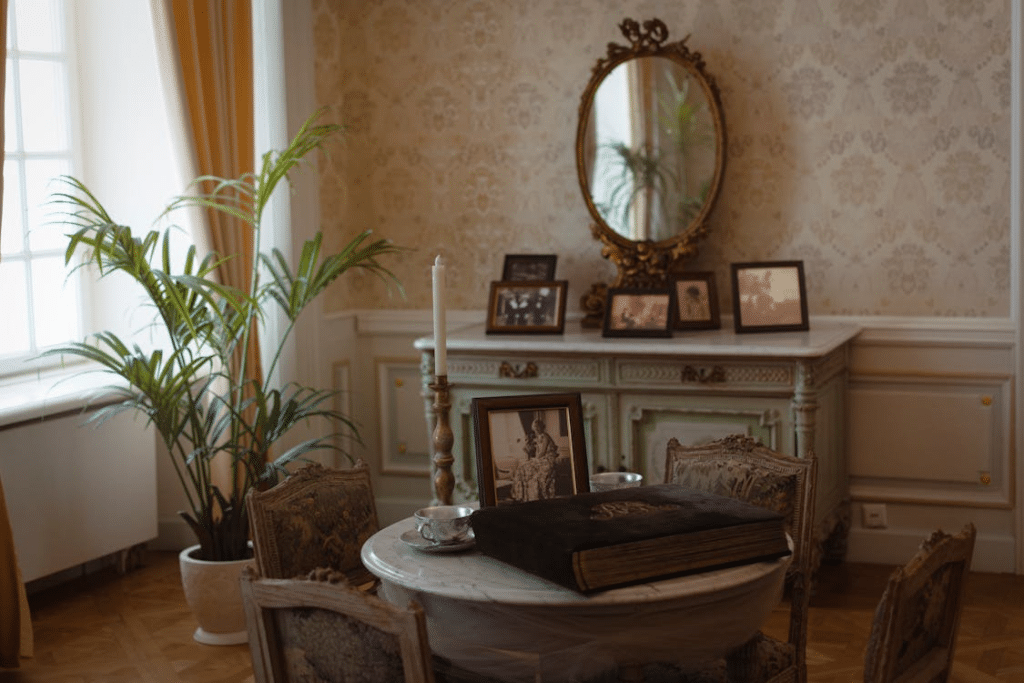
- Display artwork, framed photos, or decorative objects that reflect personality without cluttering the space.
- Utilize customizable shelving, hooks, and organizers that adapt to lifestyle changes.
- Integrate color schemes, textures, and patterns to complement functional elements and enhance mood.
According to Psychology Today (2022), personalization boosts satisfaction and productivity, as well as emotional well-being. For example, a personalized home office with preferred colors, artwork, and organized supplies can motivate work and foster creativity.
7. Integrate Technology Thoughtfully
Modern technology can enhance functionality without compromising style.
- Include wireless charging stations, smart thermostats, and automated lighting for convenience.
- Conceal cables and devices with stylish storage solutions to maintain a clean look.
- Invest in smart appliances for kitchens and bathrooms to streamline tasks while keeping a modern aesthetic.
IEEE Spectrum (2023) notes that integrating technology improves daily convenience and efficiency while maintaining interior harmony. For instance, a smart lighting system can be controlled via a sleek app, eliminating the need for bulky switches and contributing to a clean design.
8. Maintain a Balance Between Minimalism and Comfort
Minimalism enhances functionality but should not compromise warmth and comfort.
- Keep only essential items visible, storing others in organized compartments.
- Add soft textiles, cushions, and rugs to prevent spaces from feeling sterile.
- Use neutral tones with occasional bold accents to maintain visual interest while simplifying design.
Architectural Digest (2023) emphasizes that balancing minimalism with comfort enhances usability, reduces stress, and creates inviting living areas. A minimalist living room with comfortable seating and subtle decorative elements can be both functional and cozy.
9. Incorporate Greenery and Natural Elements
Plants and natural materials improve aesthetics and functionality.
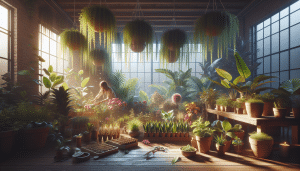
- Use potted plants, hanging planters, or indoor trees to create visual appeal and improve air quality.
- Integrate natural wood, stone, or bamboo in furniture or flooring for warmth and texture.
- Consider vertical gardens or window boxes for small spaces to maximize greenery.
Journal of Environmental Psychology (2022) shows that natural elements in interiors enhance well-being, reduce stress, and improve perceived functionality. For example, a study area with a plant or two can increase focus and mood while complementing the decor.
10. Layer Storage, Display, and Decor
Combining storage with decorative elements enhances both style and function.
- Use open shelving for display and storage, balancing aesthetics with practicality.
- Incorporate stylish baskets or boxes to keep items organized but visually appealing.
- Layer decorative elements like vases, books, and framed art to create depth without cluttering surfaces.
This approach ensures spaces remain functional and visually engaging, allowing homeowners to store items efficiently while maintaining design coherence.
Conclusion
Interior decor tips that combine style and function involve multi-purpose furniture, smart storage, layered lighting, thoughtful layouts, practical materials, personalized touches, technology integration, minimalism with comfort, greenery, and layered decor. By applying these strategies, homeowners can create spaces that are visually appealing, highly functional, and adaptable to daily life.
Balancing aesthetics with usability ensures that every room in the home contributes to comfort, efficiency, and style, creating an environment that supports modern living and enhances overall well-being.
References
Houzz (2023). Multi-Functional Furniture Ideas. Available at: https://www.houzz.com
The Container Store (2022). Smart Storage Solutions for the Home. Available at: https://www.containerstore.com
Architectural Digest (2023). Home Lighting Solutions for Function and Style. Available at: https://www.architecturaldigest.com
Journal of Environmental Psychology (2022). Workspace and Layout Design. Available at: https://www.journals.elsevier.com/journal-of-environmental-psychology
Interior Design Magazine (2023). Material Choices in Home Design. Available at: https://www.interiordesign.net
Psychology Today (2022). Personalization in Interior Spaces. Available at: https://www.psychologytoday.com
IEEE Spectrum (2023). Smart Home Technology Integration. Available at: https://spectrum.ieee.org

 Nutrition Practices That Support Mental Clarity