Wellness Practices That Reduce Stress Naturally
Lucia Fernandez September 23, 2025
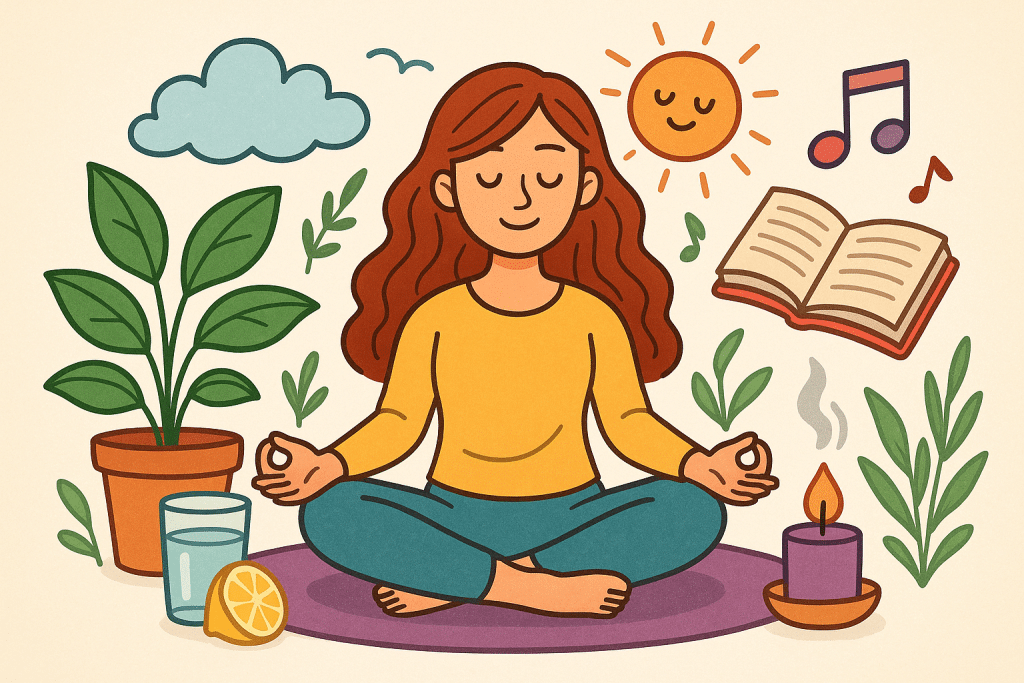
In today’s fast-paced world, stress management is no longer optional—it’s essential. One of the hottest wellness trends for 2025 is a return to wellness practices that reduce stress naturally, helping people avoid dependency on medication and costly therapies. From mindful breathing to adaptogenic herbs, these practices are not only effective but also supported by science.
Why Natural Stress Relief Matters in 2025
Stress has been called the “health epidemic of the 21st century” by the World Health Organization, and it’s easy to see why. With longer work hours, economic uncertainties, and the nonstop digital noise of our connected lives, people are desperately seeking ways to regain balance. Although pharmaceutical options are still common, natural methods are rising fast because they offer real relief—without the side effects. A 2022 survey by the American Psychological Association revealed that 80% of adults experience stress-related symptoms like headaches, poor sleep, and fatigue (American Psychological Association 2022). In response, a growing number of people are exploring practical, affordable, and evidence-based wellness solutions that work with the body, not against it.
1. Breathwork: A Zero-Cost, High-Impact Tool
Breathwork is leading the charge among natural solutions. Controlled breathing techniques such as diaphragmatic breathing, box breathing, and alternate nostril breathing are proving to be incredibly effective. They help regulate heart rate, reduce cortisol, and activate the body’s natural calming system. In fact, a study in Frontiers in Psychology found that just 20 minutes of slow breathing can significantly reduce stress and improve mood (Zaccaro et al. 2018). The best part? Breathwork is completely free and can be done anywhere.
2. Adaptogenic Herbs: The New Daily Essential
Adaptogenic herbs like ashwagandha, rhodiola, and holy basil are now considered essential daily supplements for many. They help the body manage stress by balancing cortisol levels naturally. A double-blind clinical trial showed that ashwagandha extract reduced cortisol by up to 30% and improved sleep quality (Chandrasekhar, Kapoor, and Anishetty 2012). No wonder adaptogen-infused drinks, capsules, and snacks are now crowding store shelves.
3. Forest Bathing: Mother Nature’s Antidote
Forest bathing—or Shinrin-yoku—has surged in popularity worldwide. Spending time in natural surroundings helps lower cortisol, reduce blood pressure, and elevate mood (Park et al. 2010). Even city dwellers benefit from green spaces or listening to nature soundscapes at home.
4. Functional Movement: Mind-Body Balance in Motion
Yoga, tai chi, and qigong aren’t just exercises—they’re therapeutic stress relievers. These functional movements integrate physical stretching with mental focus, helping release tension from the body and mind. A meta-analysis in PLOS ONE concluded that yoga effectively reduces anxiety, depression, and stress (Cramer et al. 2013). Desk-bound professionals now turn to “office yoga” sessions to de-stress during work hours.
5. Scalp Massage: From Beauty Ritual to Mental Reset
Scalp massage has moved beyond salons into the wellness mainstream. It’s now seen as a powerful tool for stress relief. According to the International Journal of Neuroscience, a 15-minute scalp massage significantly boosted serotonin and dopamine levels—neurochemicals tied to mood and relaxation (Field et al. 1996). In 2025, at-home scalp massagers and therapeutic oils are more popular than ever.
6. Digital Detoxing: Switch Off, Tune In
Constant connectivity is taking a toll on mental health. A simple digital detox—even once a week—can sharpen focus, restore energy, and lift mood. Researchers have linked prolonged screen exposure to heightened stress and poor sleep (Twenge and Campbell 2018). Experts now recommend “tech-free nights” to reset the mind and reconnect offline.
7. Functional Foods: Eating to Ease the Mind
Food is powerful medicine. Diets rich in omega-3s, magnesium, and probiotics support the nervous system and reduce stress naturally. Fermented foods such as kimchi, yogurt, and kombucha nourish the gut-brain axis, which influences mood regulation. A 2021 study in Psychiatry Research found that people with higher probiotic intake experienced significantly less perceived stress (Nikolova et al. 2021).
Why 2025 Belongs to Natural Wellness
What makes these trends so powerful is accessibility. Most don’t require prescriptions, expensive gear, or hours of free time. Instead, they offer simple tools to regulate stress—anywhere, anytime. Whether it’s breathwork, adaptogens, or nature therapy, people are ditching outdated methods for holistic, affordable, and science-backed approaches. And with wellness becoming a daily necessity, not a luxury, natural stress relief is set to define the future of mental health.
References
- Mayo Clinic. (2023) Stress relief from laughter? It’s no joke. Available at: https://www.mayoclinic.org/healthy-lifestyle(Accessed: 22 September 2025).
- Harvard Health Publishing. (2020) Relaxation techniques: Breath control helps quell errant stress response. Available at: https://www.health.harvard.edu/mind-and-mood (Accessed: 22 September 2025).
- American Psychological Association. (2021) Mindfulness meditation: A research-proven way to reduce stress. Available at: https://www.apa.org/topics/ (Accessed: 22 September 2025).

 Home Renovation Ideas That Increase Property Value