Fitness Challenges That Are Fun for Families
Lucia Fernandez September 23, 2025
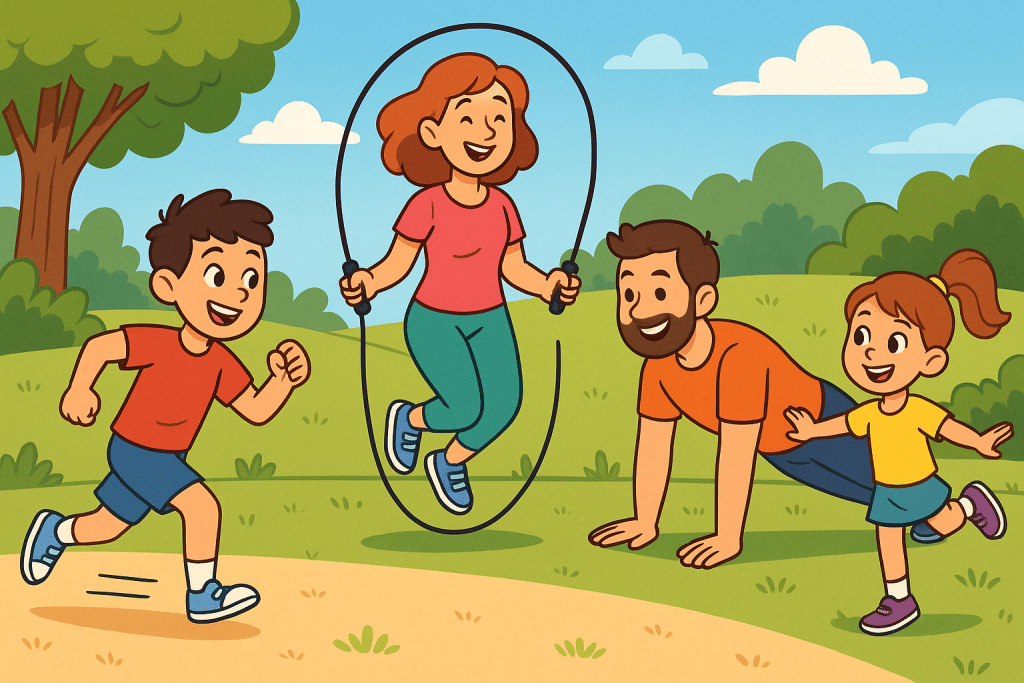
Fitness challenges that are fun for families are becoming one of the biggest wellness trends of 2025. With schools, workplaces, and communities pushing for healthier lifestyles, more parents are discovering creative, interactive ways to exercise together. These challenges don’t just improve health—they build stronger family bonds while making fitness enjoyable.
Why Family Fitness Challenges Are Trending
Parents today are searching for alternatives to screen-heavy leisure time. According to the CDC, children aged 6–17 should get at least 60 minutes of physical activity daily, yet fewer than 24% meet this target (CDC 2023). Families are now turning to gamified fitness challenges to motivate both kids and adults.
The rise of social media challenges, from step competitions to yoga streaks, has made it easier to get everyone moving. Unlike rigid exercise routines, family fitness challenges bring fun, flexibility, and shared goals.
Top Fitness Challenges That Are Fun for Families
Here are the most popular and emerging family fitness challenges in 2025:
1. The 30-Day Family Step Challenge
With step-counting apps and wearables everywhere, families can set daily goals—say, 8,000 steps per person. Kids love checking progress, while parents enjoy accountability. Some families even compete by teams: parents vs. kids.
2. Obstacle Course Weekend
Turning the backyard into a DIY obstacle course with cones, ropes, and chairs is both affordable and exciting. Obstacle training enhances coordination, balance, and problem-solving skills. Research shows that kids are more likely to sustain fitness habits when activities feel like play (Sallis et al. 2020).
3. Screen-Time Swap Challenge
For every 30 minutes of TV or gaming, the family must match it with 30 minutes of physical activity—whether cycling, playing basketball, or dancing. This teaches balance between technology use and physical well-being.
4. Family Yoga Flow
Yoga challenges are becoming a global hit. Apps like Cosmic Kids Yoga and YouTube tutorials make guided sessions easy. Practicing together reduces stress and boosts flexibility. Parents benefit from mindfulness while kids gain concentration skills.
5. Cooking + Fitness Combo Challenge
Families prepare a healthy meal together and follow it up with a 20-minute workout. This holistic approach teaches children that nutrition and movement go hand in hand for a healthy lifestyle (Harvard T.H. Chan School of Public Health 2023).
Tech-Driven Family Fitness
The fitness industry is increasingly merging tech with wellness. In 2025, family-oriented fitness apps and devices are booming:
- AR Fitness Games: Augmented reality workouts, like Pokémon Go-style scavenger hunts, encourage outdoor exploration while exercising.
- Smart Mats: Interactive yoga mats track poses and give feedback for both kids and adults.
- Connected Bicycles: Apps like Zwift now offer family-friendly rides where kids can join parents on virtual adventures.
These innovations make fitness challenges that are fun for families more immersive and easier to sustain.
Mental and Emotional Benefits
Family fitness challenges don’t just strengthen muscles—they build relationships. Studies show that shared physical activity boosts family cohesion, communication, and even children’s emotional resilience (Beets et al. 2016). Parents who participate model healthy behaviors, making kids more likely to continue exercising into adulthood.
Tips for Starting a Family Fitness Challenge
Pick Age-Friendly Activities: Choose exercises that everyone can join, from the youngest child to the grandparents. For example, jumping jacks, stretching, dancing to music, or short nature walks are safe for most ages. You can even rotate activities so each family member gets to pick their favorite one for the week.
Keep it Playful: If it feels like work, kids (and adults) will check out fast. Turn fitness into games—try a scavenger hunt where every clue involves a physical task, or set up obstacle courses in the backyard. Even something as simple as “who can hold a plank the longest” with silly titles as rewards (like “Plank King” or “Queen of Balance”) keeps spirits high.
Set Achievable Goals: Start small and make it realistic. A goal like five pushups before dinner, ten jumping jacks in the morning, or a ten-minute walk after lunch is easy to stick with. Once those feel routine, level up. Add an extra minute, another set, or an extra block of walking. Small, steady wins prevent burnout.
Track Progress Together: Seeing progress is motivating. Create a big wall chart with stickers for completed activities, or use a shared family fitness app where everyone checks in daily. Even a simple notebook with drawings or tallies works. Kids especially love the visual reminder that they’re accomplishing something.
Celebrate Wins: Don’t let achievements pass unnoticed. Plan small celebrations like a family picnic, an at-home dance party, or a movie night with everyone’s favorite snacks. These rewards aren’t just fun—they remind your family that fitness can bring joy outside the workouts themselves.
Challenges to Expect
Not all families find it easy to sustain fitness habits. Common barriers include time constraints, different energy levels, and digital distractions. To overcome this:
- Schedule fitness time like an appointment.
- Offer multiple options so kids feel they have a say.
- Use social support—invite friends, neighbors, or extended family to join.
Looking Ahead: The Future of Family Fitness
The family fitness movement is expected to grow as more schools, community centers, and health insurers promote household-based wellness. Programs offering discounts on gym memberships, virtual classes, or even insurance incentives for active families are already being tested in the U.S. and Europe.
With chronic conditions like obesity and diabetes still on the rise, fitness challenges that are fun for families may be one of the simplest, most enjoyable ways to build lifelong health habits.
Conclusion
Fitness challenges that are fun for families in 2025 are more than a trend—they are a lifestyle shift. By blending play, technology, and teamwork, families are rediscovering the joy of movement together. Whether it’s a step challenge, yoga session, or backyard obstacle race, the key is consistency, laughter, and shared commitment.
References
- Centers for Disease Control and Prevention (CDC). (2022) How much physical activity do children need? Available at: https://www.cdc.gov/physical- (Accessed: 22 September 2025).
- American Heart Association. (2021) The importance of physical activity for family health. Available at: https://www.heart.org/en/healthy-living/s (Accessed: 22 September 2025).
- Harvard T.H. Chan School of Public Health. (2020) Benefits of exercise. Available at: https://www.hsph.harvard.edu/(Accessed: 22 September 2025).

 Smart Home Devices That Simplify Daily Life