Discover How You Can Transform Any Small Garden
Giulia Bianchi September 23, 2025
Unlock creative ways to maximize small garden spaces with practical tips on vertical gardening, container options, smart landscaping, and sustainable solutions. Understand how you can refresh even the tiniest outdoor area into a lush retreat without major renovations.
Making the Most of Small Spaces
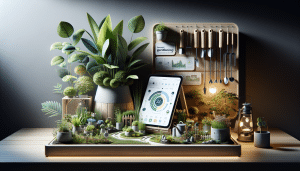
Gardening is a passion many wish to pursue, but limited space often creates hesitation. However, the size of your backyard or patio does not have to limit your vision. With thoughtful choices, any compact area can be converted into an inviting green space. Small gardens benefit from clever use of vertical features, multi-purpose planters, and layered planting strategies that add dimension and color—making the most out of every inch.
One of the core principles in small-scale gardening is efficiency. Selecting multi-use furniture such as benches that double as storage or tables with built-in planters can reduce clutter and enhance utility. Vertical gardening techniques, such as using wall-mounted pockets or trellises for climbing plants, help maximize greenery without sacrificing valuable ground space. This upward approach means you can enjoy more plants and even small vegetable patches where only a tiny footprint exists.
Light and water management are two factors that require particular attention in smaller spaces, since resources are often concentrated. Place sun-loving plants in optimal locations and use reflective surfaces—like glass, water, or pale paint—to bounce light deeper into the area. Smart irrigation systems or drip watering can maintain healthy plants while conserving water, bringing environmental and financial savings for urban gardeners.
Vertical Gardening for Compact Areas
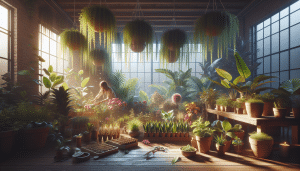
Vertical gardening is more than a trend. It’s a key to unlocking lushness in minimal grounds. By planting upwards with trellises, wall-mounted planters, and hanging baskets, gardeners can multiply the number of species their garden supports. This method allows for creative compositions of foliage and flowers, and even food crops like tomatoes and herbs, all within arms’ reach.
Choosing drought-tolerant or easy-care vertical plants makes maintenance less demanding. Succulents, trailing ivies, and flowering vines provide layers of color and texture without overwhelming limited space. Invest in sturdy supports and remember to secure wall fixtures properly. Many home improvement stores offer modular green wall kits that make setup straightforward for beginners—bringing life to balconies, patios, and even kitchen walls.
Beyond aesthetics, vertical structures can double as privacy screens or windbreaks, essential for city dwellers craving seclusion or seeking to buffer strong breezes. With proper anchoring, recycled pallets or mesh fencing can be repurposed as creative plant holders. The versatility of vertical gardens invites homeowners to adapt their setup as needs or seasons change, blending function with vibrant natural beauty.
Choosing Containers to Maximize Flexibility
Container gardening offers tremendous flexibility. Planters can be moved to catch light, rearranged for gatherings, or swapped out seasonally. For those with paved courtyards, balconies, or rented spaces, containers provide the means to garden without altering infrastructure. Consider a mix of classic terracotta, lightweight resin pots, and hanging containers to accommodate roots of all sizes and plant varieties.
Drainage remains crucial. Containers with holes and a layer of coarse gravel prevent waterlogging—a common risk in tight spaces. Self-watering planters are particularly helpful for those who travel frequently or want low-maintenance options. When space is tight, stacking pots vertically or using window boxes extends growing capacity and allows for creative color schemes.
Container choices influence ambiance. Glossy ceramics add vibrancy, while weathered stone or wood conveys a rustic vibe. Experiment with color, shape, and height variations for dynamic groupings. Even edibles—like strawberries or salad greens—thrive in containers, allowing those with small outdoor areas to enjoy fresh produce right outside the door.
Sustainable Solutions for Small Spaces
Thoughtful gardeners now seek out sustainable, eco-friendly techniques. Composting bins are available in compact designs for apartments or patios, enabling nutrient-rich soil creation from kitchen scraps. Many modern planters are crafted from recycled materials or responsibly sourced wood, supporting environmentally conscious gardening choices.
Rainwater harvesting can be employed in micro-gardens using downspout diverters and small cisterns. Captured water supports thirsty plants, cuts down on tap water use, and helps cities reduce stormwater runoff. Planting drought-resistant species or native plants further lowers resource needs and makes maintenance simpler, especially in fast-drying raised beds or wind-exposed rooftops.
Pollinator-friendly gardens are increasingly popular, even in the smallest places. By clustering bee-attracting blooms or installing bug hotels, you can help support local biodiversity. Compact shrubs, flowering herbs, or miniature fruit trees draw insects and birds, creating a thriving natural pocket even in the midst of concrete and glass.
Smart Landscaping for Visual Impact
Landscaping is not just about plants—it’s about creating a sense of space and harmony. Use strong lines or curved borders to guide the eye and gently define different zones: a sunning area, a shaded nook, or an edible corner. Mirrors and reflective surfaces visually double garden size, while stepping stones or patterned tiles create pathways that invite exploration.
Color themes can transform perceptions of scale. Softer hues like blues, greens, and purples tend to recede, giving an illusion of depth. Grouping plants by height—with taller specimens at the back of beds—also helps create layered vistas that resemble larger landscapes. Try combining fine-textured foliage with broad-leaved specimens for variety and balance.
Sensory features enhance enjoyment. Wind chimes, scented blooms, or water elements add motion and atmosphere. A simple bubbling fountain or a cluster of fragrant herbs beside a seating area will make even a compact space feel like a sanctuary. Smart garden lighting brings nighttime drama and extends usable hours outdoors, ensuring the investment in design is always appreciated.
Adapting Gardens for All Seasons
Seasonal planning ensures your compact garden remains interesting all year. Evergreens and winter-flowering shrubs retain structure and color during colder months, while bulbs burst into life in spring. Planters with wheels, portable trellises, or shade sails can be adjusted to offer shelter from frost or harsh sun, protecting delicate plants.
Succession planting—replacing spent annuals with new seedlings—keeps displays fresh. A handful of seeds sown every few weeks results in continuous harvests and evolving scenery. Wildlife-friendly features, such as bird feeders, nest boxes, or water bowls, encourage visits from garden creatures regardless of season, adding movement and interest after the flowers fade.
Gardening is also about experimentation. Some years bring unexpected successes. Others teach patience and adaptation. Well-laid plans and flexible setups make the most of these cycles, ensuring each season offers new opportunities to grow and enjoy your outdoor living haven.
References
1. Royal Horticultural Society. (n.d.). Small Gardens. Retrieved from https://www.rhs.org.uk/garden-inspiration/garden-design/small-gardens
2. Better Homes & Gardens. (n.d.). Vertical Garden Ideas. Retrieved from https://www.bhg.com/gardening/design/styles/vertical-garden-ideas/
3. The Spruce. (n.d.). Container Gardening Tips for Small Spaces. Retrieved from https://www.thespruce.com/container-gardening-tips-for-small-spaces-848120
4. National Wildlife Federation. (n.d.). Gardening for Wildlife in Small Spaces. Retrieved from https://www.nwf.org/Home/Magazines/National-Wildlife/2014/JuneJuly/Gardening/Small-Space-Gardens
5. U.S. Environmental Protection Agency. (n.d.). Rainwater Harvesting. Retrieved from https://www.epa.gov/green-infrastructure/rainwater-harvesting
6. BBC Gardeners’ World. (n.d.). Year-Round Interest in Small Gardens. Retrieved from https://www.gardenersworld.com/how-to/grow-plants/plants-small-gardens/

 Unlocking Unique Travel Experiences for You Worldwide