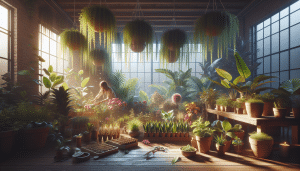
You Can Transform Any Space With Vertical Gardens
Giulia Bianchi September 23, 2025
Explore the world of vertical gardens for homes and discover how living walls can enhance wellness, improve air quality, and create beautiful green spaces indoors or out. This guide shares practical tips, plant choices, and expert insights for making any home thrive using vertical gardening.
What Makes Vertical Gardens Unique in Home Design?
Vertical gardens, also known as living walls, are a striking way to incorporate nature into home and garden spaces where ground area is limited. Unlike traditional gardens, these setups enable growing a wide range of plants upwards using trellises, modular wall pockets, or hydroponic systems. This approach not only saves space but also serves as a design focal point, adding both color and texture to any wall—even those inside the home. Many homeowners are discovering how vertical gardening opens possibilities for cultivating flowers, ferns, herbs, or even edible leafy greens on balconies, patios, or kitchen walls.
One main advantage of vertical gardens is better indoor air quality. Plants grown in living walls have been shown to remove toxins such as formaldehyde and benzene from the air, making indoor environments fresher and healthier (https://www.epa.gov/indoor-air-quality-iaq). Alongside their air-purifying effects, these installations contribute to sound insulation and temperature regulation, reducing the need for mechanical heating or cooling. For those interested in energy efficiency at home, vertical greenery offers a delightful, eco-friendly solution.
The visual appeal of vertical gardens is hard to match. Living walls can be customized to suit nearly any decor or personal taste. Some use geometric designs, while others create lush, wild tapestries using a mix of flowering plants and cascading vines. Because these gardens are mounted, they can be refreshed or reimagined seasonally, allowing creative flexibility not often possible with traditional lawns or flowerbeds. This versatility has made vertical gardening a high-demand solution for urban homes and apartments.
Planning Your First Vertical Garden: What to Know
Before starting a vertical garden, it’s useful to assess your available wall space, natural light conditions, and home climate. South-facing walls receive more sunlight, which suits sun-loving plants such as herbs or succulents. Shadier areas are ideal for ferns, pothos, or peace lilies. Both indoor and outdoor vertical gardens need thoughtful planning for easy watering and plant care. Modular systems, felt pockets, and hydroponic panels are all options—each with unique advantages for flexibility, maintenance, and plant type compatibility. Many vertical garden enthusiasts begin with simple, wall-mounted pots or repurposed items like hanging shoe organizers filled with soil and greenery.
Soil and water management are critical for success. Unlike ground gardens, vertical systems require careful consideration of drainage. Overwatering can quickly lead to root rot, especially indoors. Many structures are designed to allow water to flow down from top to bottom, hydrating all plants evenly. For homes seeking water-efficient gardening, sub-irrigation setups are increasingly popular. These methods minimize waste and deliver moisture directly to roots, benefiting both the environment and a homeowner’s utility bills (https://www.energy.gov/eere/buildings/articles/energy-saver-101-infographic-home-heating).
Home gardeners should also consider plant size and maintenance needs. Compact, slow-growing species or trailing vines tend to work well in living walls because they rarely outgrow the system or require frequent trimming. Mixing different plant textures and colors adds interest, while edible greens and herbs can turn a kitchen wall into a living pantry. Some homeowners install simple drip irrigation lines or automated timers to keep maintenance manageable and predictable, even for beginners.
Plant Selection Strategies for Thriving Vertical Gardens
Choosing the right plants is key for vertical gardening success. Factors like light exposure, humidity, and desired garden style should shape selection. Classic options for living walls include pothos, philodendron, ferns, and bromeliads—species known for resilience and adaptability to variable conditions. For outdoor installations, ivies, succulents, or flowering perennials offer vibrant choices that withstand changing weather. Many sources recommend starting with a mix of ornamental and edible plants for both beauty and utility.
Herbs such as basil, mint, oregano, and chives grow well in vertical wall gardens and are often harvested fresh for home cooking. Edible greens like lettuce or spinach can also thrive on vertical surfaces, making these gardens productive as well as decorative. When planning plant layouts, consider placing drought-tolerant varieties at higher points and moisture-loving species near the bottom where water tends to collect. This thoughtful arrangement can mimic natural ecosystems and help each plant flourish.
Plant placement and rotation provide opportunities to experiment throughout the year. Seasonally swapping plants or changing layouts keeps the garden lush and interesting. Homeowners may consult local cooperative extension services or public botanical gardens for tips on species that perform best in their climate (https://hgic.clemson.edu/factsheet/vertical-gardening/). For those with pets or young children, it’s smart to check which plants are non-toxic and safe for the home environment.
Installing and Caring for Your Living Wall
Installing a vertical garden begins with choosing a strong, waterproof backing or frame. Many DIY systems use wooden pallets, modular panels, or specialized plastic grids designed for wall mounting. The chosen site should support the weight of saturated soil and mature plants without damage. Backing layers often include moisture barriers to protect indoor walls or delicate surfaces. Whether installing on a balcony or living room, structural integrity is crucial for long-term success.
Ongoing care is straightforward with proper setup. Most living walls benefit from occasional pruning, regular watering, and periodic fertilization. Automated watering systems, such as drip lines and reservoir-based setups, take much guesswork out of maintenance. If growing edible plants like herbs, it’s best to harvest frequently, encouraging healthy regrowth. Spotting and treating pests early can prevent outbreaks that might harm the entire living wall (https://extension.umn.edu/planting-and-growing-guides/vertical-gardening).
Living walls respond well to periodic inspection and refreshing. Prune back overly aggressive vines, replace underperforming plants, and occasionally top up the soil in growing pockets to keep the entire installation healthy. If seasons change dramatically, consider rotating plant species or adding artificial lighting to indoor walls for steady growth and visual appeal. With a managed approach, vertical gardens can remain vibrant year-round.
Benefits of Vertical Gardening for Health and Wellbeing
Numerous studies highlight the wellness benefits of living near greenery. Vertical gardens can improve air quality by filtering particulate matter and releasing oxygen—a valuable attribute in urban homes with limited access to outdoor nature. The increased humidity created by plant transpiration may ease respiratory discomfort, making indoor environments more pleasant. Having living walls inside or near high-traffic areas can lead to a measurable boost in mood and reduction in stress levels (https://www.ncbi.nlm.nih.gov/pmc/articles/PMC4419447/).
Beyond air purification, vertical gardens support biophilic design—the idea that connecting people to nature improves wellness. Schools, hospitals, and offices increasingly feature living walls to provide calming, restorative backdrops and encourage relaxation. Homeowners find living around plants fosters mindfulness, creativity, and even improved focus for remote work or study. Seeing, touching, and caring for greenery daily brings joy and satisfaction, especially when harvests are possible from edible wall gardens.
The calming effect of living walls is particularly pronounced in compact city spaces. Where outdoor gardens may be impossible, vertical systems provide a sanctuary of green within reach. This sense of connection to nature, even on a small scale, has been shown to benefit mental health and overall satisfaction with home environments. Many who install vertical gardens appreciate the simple pleasure of nurturing life, watching space transform, and experiencing seasons change right on their own walls.
Creative Vertical Garden Ideas for Any Home
There are endless ways to get creative with vertical gardens. Artistic modular walls can serve as dynamic room dividers in open floor plans or entryways. Outdoor enthusiasts transform fences or patio railings using trellised vegetables, strawberries, or climbing flowers. Indoors, a living wall of kitchen herbs adds both beauty and practical value to culinary routines, making every meal a celebration of fresh flavors and homegrown greenery.
For renters or those who prefer less commitment, movable vertical gardens built in rolling frames or hanging racks allow flexibility and seasonal updates. Succulent mosaics, framed moss panels, and even repurposed materials like ladders or crates find new life as support structures. With vertical gardens, the only limit is the imagination—every corner or shelf can become a micro-habitat for color, scent, and tranquility.
Family homes often turn vertical gardens into interactive educational experiences. Children can participate in the planting and care of vegetables, observing life cycles up close and learning responsibility. For small urban apartments, even a single living wall can make a memorable impact on health, home value, and relaxation. Explore the joy of vertical gardening to bring new possibilities to any indoor or outdoor space.
References
1. U.S. Environmental Protection Agency. (n.d.). Indoor Air Quality. Retrieved from https://www.epa.gov/indoor-air-quality-iaq
2. U.S. Department of Energy. (n.d.). Energy Saver 101: Home Heating. Retrieved from https://www.energy.gov/eere/buildings/articles/energy-saver-101-infographic-home-heating
3. Clemson University Cooperative Extension. (n.d.). Vertical Gardening. Retrieved from https://hgic.clemson.edu/factsheet/vertical-gardening/
4. University of Minnesota Extension. (n.d.). Vertical Gardening. Retrieved from https://extension.umn.edu/planting-and-growing-guides/vertical-gardening
5. Bringslimark, T., Patil, G., & Hartig, T. (2009). The psychological benefits of indoor plants: A critical review of the experimental literature. Retrieved from https://www.ncbi.nlm.nih.gov/pmc/articles/PMC4419447/
6. Royal Horticultural Society. (n.d.). Vertical gardening: How to grow a living wall. Retrieved from https://www.rhs.org.uk/garden-inspiration/how-to/vertical-garden-how-to

 Unseen Perks of Smart Home Upgrades