Wellness Routines That Enhance Daily Energy
Lucia Fernandez September 25, 2025
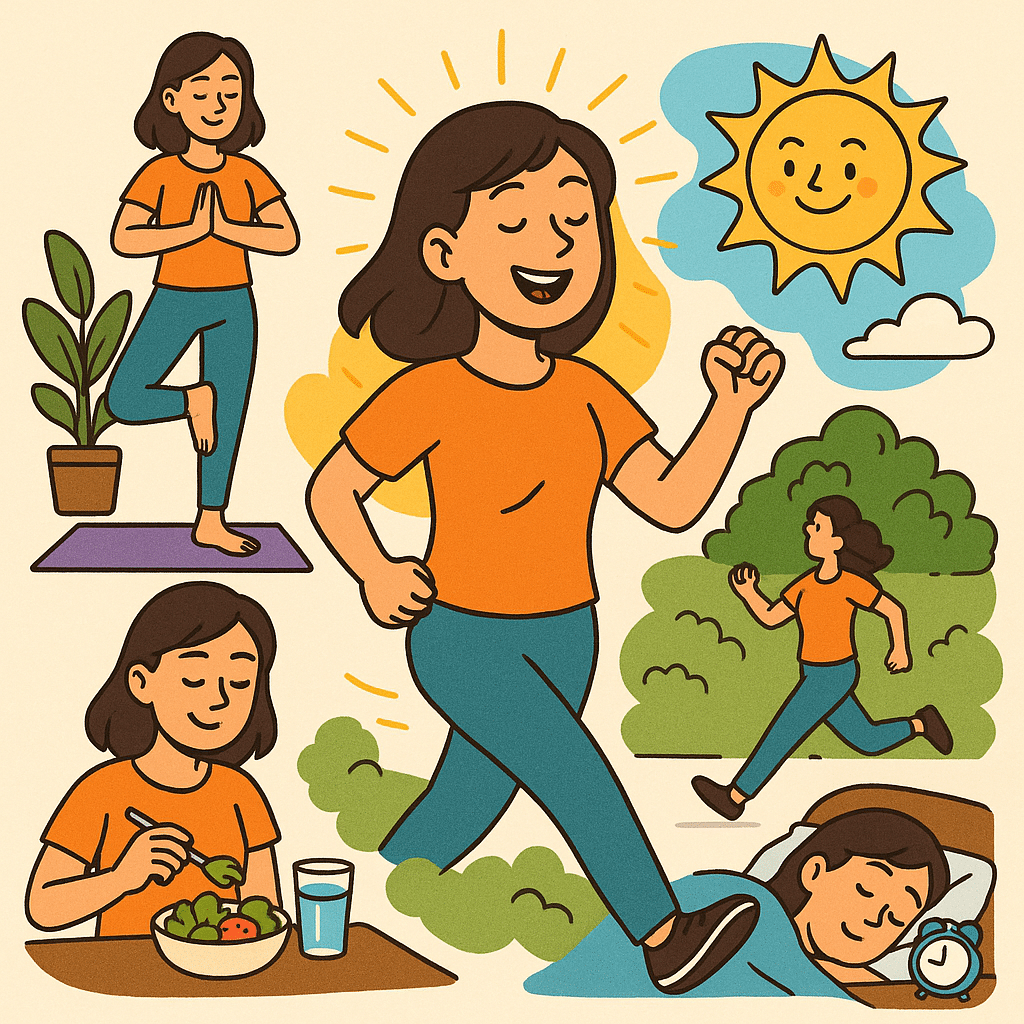
Staying energized throughout the day isn’t just about caffeine or quick fixes. Wellness routines that enhance daily energy are becoming a top trend, blending science-backed habits with lifestyle choices that fuel body and mind.
The Growing Focus on Sustainable Energy
With remote work, longer screen times, and increased stress, people are seeking sustainable ways to keep energy levels high. Unlike stimulants that cause crashes, emerging wellness routines emphasize natural, long-lasting energy through diet, exercise, and mindful practices.
Morning Routines: Setting the Tone for Energy
The first hour after waking plays a big role in how energized you feel all day. Instead of diving straight into emails or social media, building a calm, structured start can sharpen focus and reduce brain fog.
Research shows that just 15 minutes of morning sunlight helps regulate circadian rhythms, improve mood, and boost alertness (Khalsa et al. 2021). Pairing that with a few simple habits can give your body the fuel it needs to wake up fully.
Tips for your morning energy boost:
- Get natural light early. Step outside or sit near a window within 30 minutes of waking. Even on cloudy days, daylight signals your brain to “switch on.”
- Drink water before coffee. Rehydrating first can prevent sluggishness and give your system a smoother start.
- Stretch or move lightly. A few minutes of yoga or basic stretches improve circulation and loosen muscles.
- Eat something balanced. If you’re hungry, a mix of protein and whole carbs steadies energy better than a sugary snack.
A routine like this doesn’t have to be long. Two or three intentional steps are enough to set your body’s internal clock and prepare you for a more energized, focused day.
Nutrition for Energy: More Than Just Calories
Food isn’t just fuel—it dictates how efficiently your body produces energy. Experts recommend focusing on meals rich in complex carbohydrates, protein, and healthy fats to maintain stable blood sugar.
Energy-sustaining foods include:
- Oats, quinoa, and brown rice for slow-release carbs.
- Lean proteins like eggs, salmon, or plant-based options.
- Healthy fats such as avocado, nuts, and olive oil.
A study published in Nutrients found that diets high in refined sugar cause fatigue and mood swings, while balanced diets support stable energy across the day (Benton 2020).
Hydration as a Natural Energy Source
Dehydration—even mild—can reduce alertness and concentration. According to the National Academies of Sciences, adults should aim for around 2.7 liters (women) and 3.7 liters (men) of fluids daily (National Academies 2020).
To make hydration easier:
- Carry a reusable water bottle.
- Add slices of lemon, cucumber, or berries for flavor.
- Use herbal teas for variety and added antioxidants.
Movement Breaks: The Energy Reset
Sitting for long periods drains energy. Short bursts of movement help circulation and reduce fatigue. Research from the University of Georgia found that low-intensity exercise increases energy by 20% while reducing fatigue by 65% (Puetz, Flowers, and O’Connor 2006).
Practical options:
- 5-minute walking breaks every hour.
- Desk stretches or resistance bands.
- Standing meetings or phone calls.
Even small movements accumulate and act as powerful energy resets.
Mindfulness and Stress Reduction
Stress is one of the biggest energy drains. Practices like meditation, controlled breathing, or journaling can restore calm and focus.
One popular method is the 4-7-8 breathing technique: inhale for 4 seconds, hold for 7, exhale for 8. This simple exercise activates the parasympathetic nervous system, promoting relaxation and conserving energy.
A Harvard Medical School study highlighted that daily meditation lowers stress hormone cortisol, leading to higher perceived energy levels (Goyal et al. 2014).
Sleep Hygiene: The Foundation of Energy
Wellness routines that enhance daily energy always highlight quality sleep. Poor sleep leads to daytime fatigue, slower reaction times, and reduced motivation.
Key sleep hygiene practices:
- Maintain a consistent sleep schedule, even on weekends.
- Keep bedrooms cool and dark.
- Avoid screens at least an hour before bed.
The CDC notes that adults need 7–9 hours of sleep, and even minor sleep deprivation can impair energy and focus (CDC 2022).
Functional Wellness Trends for Energy
Emerging functional wellness practices are gaining popularity in 2025. Unlike quick fixes, these methods integrate holistic approaches into daily routines.
Adaptogens and Energy
Herbs like ashwagandha, rhodiola, and ginseng are trending for their role in balancing stress and improving stamina. Studies show rhodiola can reduce fatigue and enhance cognitive function in stressful conditions (Ishaque et al. 2012).
Cold Exposure Therapy
Cold showers or ice baths are being adopted by athletes and biohackers. Brief cold exposure stimulates circulation and norepinephrine release, a neurotransmitter linked to alertness.
IV Vitamin Therapy
Though controversial, IV therapy is marketed as a rapid way to infuse vitamins and minerals directly. Sessions can cost anywhere from 75 to 200 dollars, depending on nutrients included. Some clinics even promote discounted group sessions, making them more accessible.
Technology-Driven Energy Routines
Wellness technology is booming. Apps, wearables, and digital platforms help individuals track, optimize, and enhance energy.
Popular tools include:
- Wearables like Fitbit or Oura Ring to monitor sleep and recovery.
- Mindfulness apps (e.g., Calm, Headspace) for guided stress reduction.
- Nutrition tracking apps to spot energy-draining dietary habits.
These technologies make wellness routines measurable, helping users see the impact of their choices.
Midday Reset Routines
The dreaded afternoon slump is common, but small habits can prevent it.
Strategies for midday energy:
- Eat a protein-rich lunch instead of carb-heavy meals.
- Use a 20-minute power nap if possible.
- Step outside for fresh air and movement.
Avoiding excess caffeine late in the day helps prevent crashes and supports better nighttime sleep.
Community and Social Wellness
Connection plays a bigger role in energy than most realize. Positive social interactions release oxytocin and dopamine, which enhance mood and energy.
Scheduling time with friends, joining wellness groups, or even participating in virtual communities provides emotional energy that translates into physical vitality.
Building Your Personalized Energy Routine
There is no one-size-fits-all. The best wellness routines that enhance daily energy are personalized. Consider experimenting with combinations of sleep, nutrition, exercise, and mindfulness practices until you find what sustains you best.
Conclusion
Energy isn’t just about stimulants—it’s the product of consistent routines. From hydration and balanced nutrition to stress management and functional wellness, science shows that sustainable energy comes from lifestyle choices. By adopting these routines, you can improve focus, productivity, and overall well-being every single day.
References
- Harvard Health Publishing. (2021) The importance of sleep for energy and health. Harvard Medical School. Available at: https://www.health.harvard.edu/staying-healthy/the-importance-of-sleep-for-energy-and-health (Accessed: 24 September 2025).
- American Heart Association. (2022) How exercise boosts your energy and improves health. American Heart Association. Available at: https://www.heart.org/en/healthy-living/fitness/fitness-basics/how-exercise-boosts-your-energy (Accessed: 24 September 2025).
- Mayo Clinic. (2023) Nutrition and energy: Foods that fight fatigue. Mayo Clinic. Available at: https://www.mayoclinic.org/healthy-lifestyle/nutrition-and-healthy-eating/expert-answers/food-and-energy (Accessed: 24 September 2025).

 Gardening Techniques That Maximize Growth