Gardening Ideas That Enhance Home Spaces
Giulia Bianchi September 25, 2025
Gardening ideas that enhance home spaces have become one of the hottest lifestyle trends in 2025. From vertical planters to smart irrigation systems, homeowners are reimagining how greenery integrates into both indoor and outdoor living.
Why Gardening Ideas That Enhance Home Spaces Are Trending
Across urban and suburban areas, space is becoming increasingly limited. Yet people crave the calming benefits of greenery. A recent study published in Frontiers in Psychology highlighted that home gardens significantly reduce stress and improve cognitive function (Soga et al. 2021). The result? A surge of creative approaches to maximize green space without needing sprawling backyards.
The Post-Pandemic Shift
The pandemic accelerated this trend. According to the National Gardening Association, U.S. household participation in gardening rose from 55% in 2019 to nearly 67% in 2023 (National Gardening Association 2023). What began as a hobby during lockdowns has transformed into a lifestyle movement.
Top Gardening Ideas Enhancing Home Spaces
1. Vertical Gardens for Small Homes
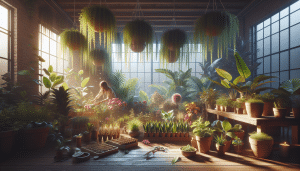
For urban dwellers, vertical gardening is no longer just decorative—it’s functional. Modular wall panels now allow people to grow herbs, vegetables, and air-purifying plants on balconies or even kitchen walls. Companies like Living Walls report sales growth of 40% over the past two years, showing that vertical gardens are moving mainstream.
Tip: Use self-watering planters to reduce maintenance and keep soil moisture consistent.
2. Smart Gardening Technology
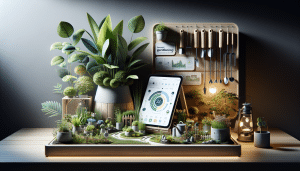
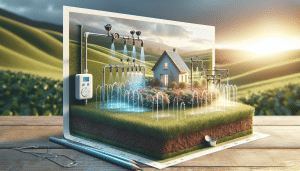
Smart irrigation systems and AI-powered plant monitors are reshaping gardening efficiency. Devices like the Eve Aqua or Gardena Smart System connect with smartphones to regulate water usage based on weather forecasts.
This not only conserves water—a key sustainability goal—but also makes gardening accessible for busy professionals. Research from the Environmental Protection Agency shows that smart irrigation can reduce outdoor water usage by up to 50% (EPA 2022).
3. Edible Landscaping
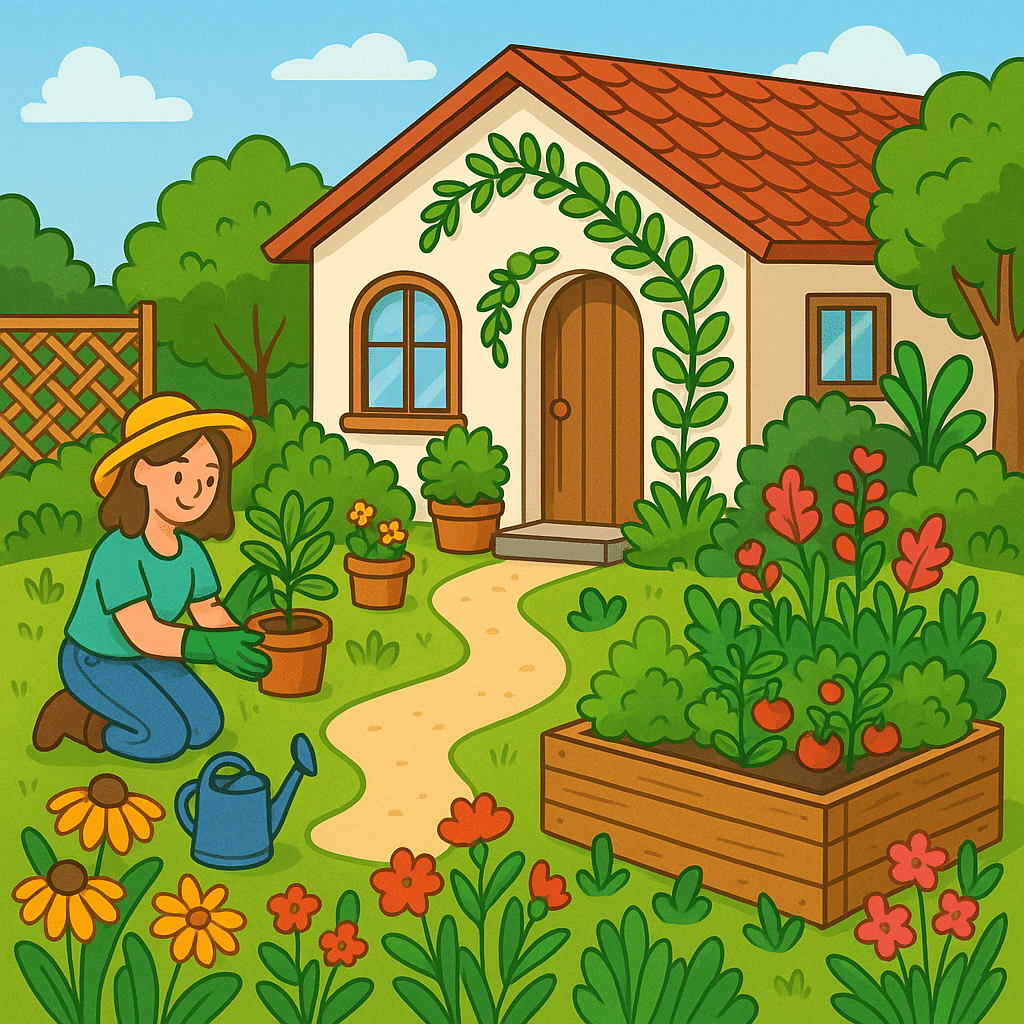
Instead of separating ornamental plants and vegetables, homeowners are blending both. Edible landscaping integrates fruit trees, berry bushes, and herb spirals into decorative designs. It’s functional beauty—reducing grocery bills while creating visually stunning yards.
Common examples include blueberry hedges, rosemary borders, and dwarf fruit trees in containers. This movement aligns with growing consumer interest in food security and organic produce.
4. Indoor Hydroponic Systems
Compact hydroponic kits are exploding in popularity. These systems allow households to grow lettuce, basil, and even strawberries indoors year-round without soil.
Companies like AeroGarden and Click & Grow now market hydroponics as kitchen appliances rather than niche gardening equipment. According to a 2024 market report, indoor hydroponics sales are projected to grow by 18% annually through 2028 (Market Research Future 2024).
5. Native Plant Landscaping
Homeowners are also turning toward native plants for lower-maintenance and eco-friendly landscapes. Native species require less water, thrive in local soil conditions, and provide essential habitats for pollinators.
In fact, a study from the University of Delaware found that native plant gardens supported 29 times more wildlife than lawns with non-native species (Tallamy 2019).
6. Rooftop and Balcony Gardens
With real estate shrinking, rooftops and balconies are transforming into mini ecosystems. Urban planners in cities like New York and Toronto now incentivize rooftop gardens to reduce heat islands and improve air quality.
Pro Tip: For safety and sustainability, choose lightweight soil blends and raised planters designed for structural integrity.
7. Multifunctional Outdoor Living Spaces
Gardens are no longer just for plants—they’re part of functional living spaces. Outdoor kitchens surrounded by herb beds, fire pits with native landscaping, and meditation corners with water features are now common upgrades.
These hybrid spaces increase property value while enhancing lifestyle. According to Zillow, homes with landscaped outdoor living areas sell for up to 15% more than comparable properties without them (Zillow 2023).
Sustainable Gardening: The Next Big Push
Composting at Home
More households are adopting composting systems to reduce waste and enrich soil naturally. Kitchen scraps can now be composted indoors using odor-controlled bins and bokashi methods.
Water Conservation
Rainwater harvesting barrels and greywater recycling systems are increasingly standard in eco-conscious households. Combined with smart irrigation, these systems can dramatically cut costs while preserving resources.
Pollinator-Friendly Gardens
Bee-friendly and butterfly-friendly plantings are now popular additions, blending aesthetics with environmental impact. Many communities are even offering tax incentives for pollinator gardens.
Gardening for Health and Wellness
Mental Health Benefits
Gardening is being prescribed as “green therapy” by psychologists and healthcare professionals. Spending just 20 minutes a day in a home garden can significantly reduce cortisol levels (Thompson 2018).
Physical Health Benefits
Maintaining a garden is also a low-impact workout. Planting, weeding, and carrying soil bags contribute to improved flexibility and strength, making it a valuable activity for older adults.
Future Outlook: Gardening in 2030
By 2030, gardening will look a lot smarter and more community-driven:
AI-driven plant health analytics
Smart sensors and cameras will track soil, moisture, and leaf health. Gardeners will get early warnings about pests and diseases before they spread, saving time and reducing chemical use.
3D-printed planters
Mass-produced pots will give way to custom containers made from recycled materials. People will be able to design planters that fit awkward spaces or match their home style while keeping sustainability in focus.
Community micro-farms
Apartment rooftops and shared courtyards will transform into food gardens. Residents will grow fresh produce together, cutting food miles and building stronger community ties.
The big shift
Technology, eco-consciousness, and lifestyle design will blend. Gardens won’t just decorate homes—they’ll become part of everyday living, food supply, and wellness.g of sustainability, technology, and lifestyle aspirations.
Conclusion
Gardening ideas that enhance home spaces are no longer limited to wealthy homeowners with sprawling yards. From vertical walls to AI-powered irrigation, these innovations make greenery accessible, sustainable, and functional for everyone. As we move toward 2030, gardens will be seen not just as hobbies but as vital extensions of healthy, future-focused living.
References
- Better Homes & Gardens. (2023) 12 Creative Garden Ideas to Transform Your Outdoor Space. Available at: https://www.bhg.com/ (Accessed: 24 September 2025).
- Royal Horticultural Society. (2022) Design Ideas for Small Gardens. Available at: https://www.rhs.org.uk (Accessed: 24 September 2025).
- The Spruce. (2021) 50 Backyard Landscaping Ideas to Inspire You. Available at: https://www.thespruce.com (Accessed: 24 September 2025).

 Smart Finance Tools That Support Long-Term Goals