Wellness Practices That Support Emotional Wellbeing
Lucia Fernandez September 26, 2025
Emotional wellbeing has become a top priority in 2025, and new wellness practices that support emotional wellbeing are gaining traction worldwide. From scalp-focused rituals to functional therapies, these approaches are transforming how people manage stress and mental health daily.
Why Emotional Wellbeing Needs More Attention Than Ever
The World Health Organization reports that stress, anxiety, and depression are now among the leading causes of disability globally (WHO 2023). With increasing burnout rates in workplaces and post-pandemic fatigue, individuals are turning toward holistic practices that integrate mental, physical, and even scalp health. Interestingly, research shows that scalp health is linked not only to hair growth but also to reduced stress and improved mood (Lee et al. 2022).
The Rise of Scalp Therapy as Emotional Self-Care
Traditionally, wellness focused on diet, exercise, and meditation. But now, scalp treatments are entering the conversation. Experts highlight that scalp massages improve blood circulation, reduce cortisol levels, and stimulate relaxation responses (Ahn et al. 2021).
Why it matters:
- Scalp therapies combine tactile relaxation with physical benefits.
- They’re increasingly offered in spas and even workplaces as part of corporate wellness programs.
- Products like aromatherapy scalp oils and stress-relief brushes are trending in beauty and wellness retail.
This fusion of beauty and emotional care represents a new category: functional scalp wellness.
Breathwork and Somatic Practices Go Mainstream
Meditation apps were once the go-to, but 2025 is seeing a surge in structured breathwork and somatic movement classes. These practices:
- Encourage emotional release through controlled breathing.
- Are being integrated into gyms and digital wellness platforms.
- Support both emotional wellbeing and physical grounding, making them highly functional for stress-prone workers.
Harvard research found that mindful breathing lowers activity in the amygdala—the brain’s fear center—reducing stress response significantly (Harvard Health Publishing 2022).
Functional Nutrition for Emotional Balance
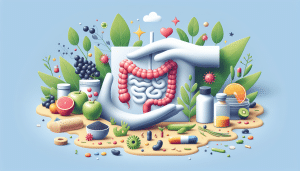
Food is no longer just about physical energy—it’s seen as a mood stabilizer. Functional nutrition is trending, with a focus on gut-brain health. Probiotics, omega-3 supplements, and adaptogenic herbs (like ashwagandha and rhodiola) are being incorporated into daily routines.
Key emerging practices:
- Mood-supporting teas with functional mushrooms such as reishi.
- Personalized nutrition apps analyzing gut microbiome for mental health insights.
- Corporate programs offering “focus snacks” rich in magnesium and B vitamins.
Research confirms the gut-brain connection: people with healthier microbiomes show lower rates of anxiety and depression (Foster et al. 2021).
Digital Detox Retreats on the Rise
Constant screen exposure is draining emotional energy. Digital detox retreats—offering nature immersion and tech-free experiences—are trending globally. These retreats combine mindfulness with scalp and body therapies, aiming to reset nervous systems.
Attendees report:
- Sharper focus
- Better sleep quality
- Lower levels of digital fatigue
The shift isn’t just luxury-driven; even urban centers now offer half-day digital sabbaticals for professionals.
Scalp Acupressure and Emotional Balance
Blending traditional Chinese medicine with modern science, scalp acupressure is gaining momentum as a non-invasive practice. By stimulating points on the scalp linked to energy pathways, practitioners claim benefits like:
- Relief from tension headaches
- Enhanced mood regulation
- Increased focus and creativity
Though more studies are needed, early research suggests scalp acupressure may improve symptoms of stress-related insomnia (Wang et al. 2022).
WWorkplace Wellness Evolves: From Yoga to Functional Scalp Therapy
In 2025, corporate wellness has moved beyond the token lunchtime yoga class. Companies now include:
- On-site scalp relaxation pods with aromatherapy to ease tension and boost focus.
- Functional wellness workshops on stress nutrition, breathwork, and recovery habits.
- Insurance coverage for holistic therapies like scalp treatments and acupuncture as preventive care.
The shift isn’t just about perks. Employers view these programs as strategic: lower stress translates into fewer sick days, sharper concentration, and stronger retention. According to the American Psychological Association (2023), workplaces that prioritize holistic care see measurable gains in productivity and employee satisfaction.
Emotional Wellbeing Meets Technology: AI Coaches and VR
AI-powered emotional wellness apps are becoming personal mental health assistants. These apps track stress levels via wearable devices, then recommend scalp massage, breathwork, or functional nutrition interventions.
Virtual reality (VR) is also making waves, offering immersive environments for guided relaxation and scalp therapy simulations. Early adopters include therapy clinics and high-stress professions like healthcare.
Practical Guide: Incorporating These Practices Into Daily Life
Building emotional wellbeing doesn’t need an overhaul. A few small rituals can make your routine calmer and more balanced.
Scalp Care
Spend five minutes massaging calming oils like lavender into your scalp, or use a soft scalp brush before bed to ease tension. These simple touches help signal relaxation at the end of the day.
Breathwork
Begin mornings with a 4-7-8 breathing cycle to clear mental fog. If you enjoy group energy, join a short weekly online breathwork or movement class for accountability.
Gut Health
Support your mood through food. Add probiotics or fiber-rich sides to meals, and swap coffee for chamomile or lemon balm tea a couple of times a week to calm your system.
Digital Detox
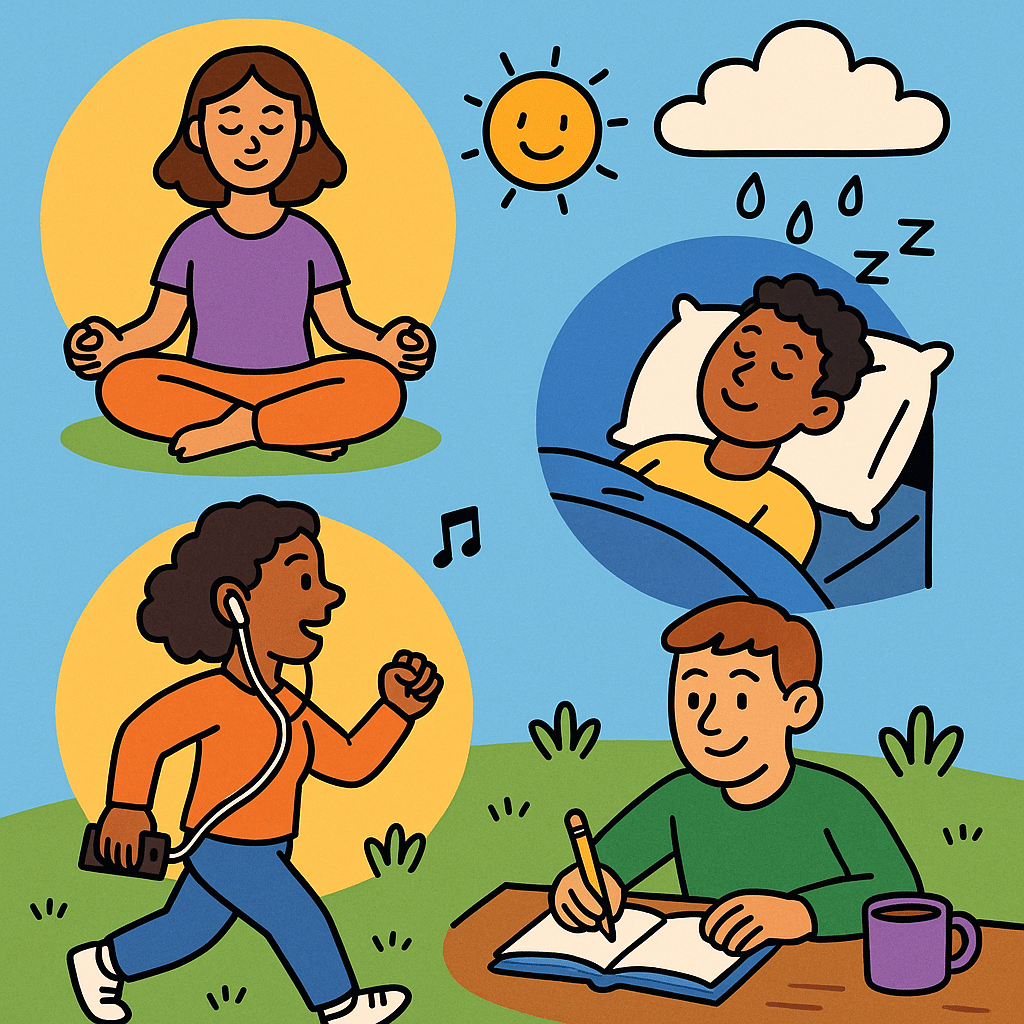
Try shutting devices an hour before sleep and replace scrolling with journaling or stretching. Once a month, plan a tech-free walk or picnic outdoors to give your mind breathing room.
Functional Therapies
Experiment with scalp acupressure tools at home, or use a wearable that tracks stress signals. Both give you quick feedback and make wellness feel tangible.
Looking Ahead: The Future of Emotional Wellness
The wellness industry is shifting toward multidimensional practices—addressing emotional, physical, and even scalp health simultaneously. What was once considered “luxury” self-care is now positioned as preventive healthcare. With insurance providers and workplaces embracing these practices, accessibility is expanding.
In the near future, emotional wellness is expected to move from optional add-ons to a core part of healthcare. More workplaces are offering mental health resources, schools are experimenting with mindfulness programs, and technology is adding new tools like mood-tracking apps and stress-monitoring wearables. As research continues to back these approaches, integrated wellness routines—blending therapy, nutrition, movement, and even self-care rituals—will shift from being niche practices to everyday standards.
References
- Mayo Clinic. (2021). Mindfulness exercises. Mayo Clinic. Available at: https://www.mayoclinic.org (Accessed: 26 September 2025).
- Harvard Health Publishing. (2020). How meditation helps your mind, body, and spirit. Harvard Medical School. Available at: https://www.health.harvard.edu (Accessed: 26 September 2025).
- World Health Organization (WHO). (2022). Mental health and well-being: strengthening our response. WHO. Available at: https://www.who.int/news-room/ (Accessed: 26 September 2025).

 Gardening Ideas That Encourage Sustainable Practices